Google, Microsoft, OpenAI and Anthropic back a single robots.txt signal for websites to opt out of AI training
The four companies say they will honour a shared 'policy token' in websites' robots.txt files that lets publishers opt out of AI training by all participating providers at once. Anthropic says it has started implementing it; Google and Microsoft plan support in 2027.
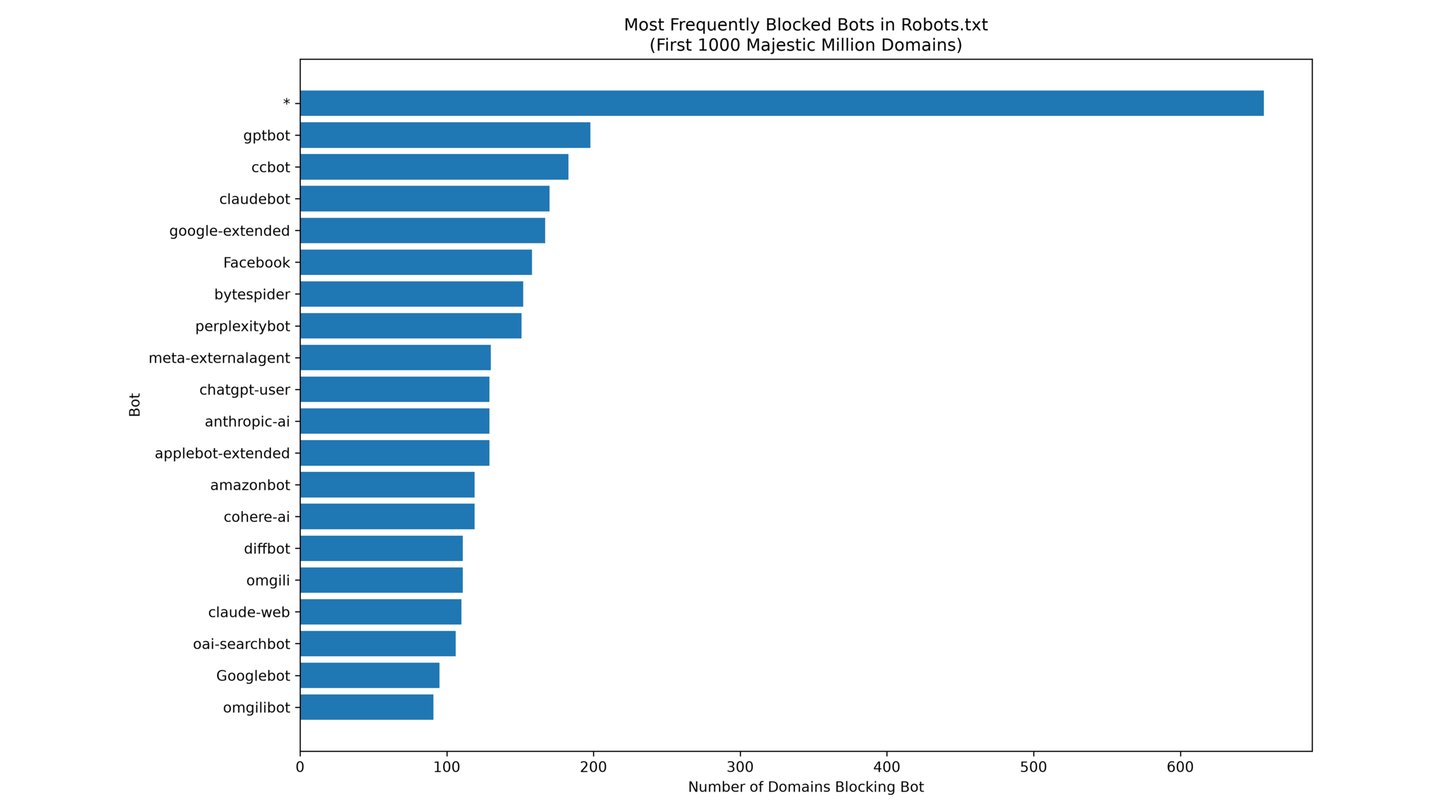
Google, Microsoft, OpenAI and Anthropic have said they will honour a shared signal that lets websites opt out of having their content used to train AI models by all participating companies at once, instead of setting rules for each company’s web crawler separately.
The signal is a “policy token”, __usage_ai-training, placed in a website’s robots.txt file, the text file sites have long used to tell crawlers what they may access. It was proposed in an Internet Draft by Kevin Kelley, a standards technical lead at Anthropic, submitted to the Internet Engineering Task Force’s AI Preferences working group. The IETF lists it as an individual draft, which does not represent official standardisation, Search Engine Journal reported.
The companies announced their plans on Friday 30 October. According to The Verge and Search Engine Journal, Anthropic has started implementing the signal, Google and Microsoft plan to support it in 2027, and OpenAI says it will do so “in the coming months”. Google said it would treat an opt-out through the shared token as if the site had blocked Google-Extended, its existing AI-training control. Microsoft said it would begin honouring new training and grounding preferences on 1 February 2027 and that sites would still appear in Bing search results whatever their settings.
Meta’s communications head Andy Stone said a common signal was “an important step”, The Verge reported, but did not say whether Meta would honour it.
Under the draft, existing robots.txt rules are not treated as a training preference, and the token does not control crawling itself.
Sources
Related coverage
All technology →
OpenAI tightens ChatGPT limits on weapons and mass-attack details, and will publish a twice-yearly community safety report
OpenAI says ChatGPT will give less detail about past mass attacks to all users, restrict practical weapons information for teens, and be able to end chats that show a fixation on violence. It says it made more than 200 referrals to law enforcement in the third quarter and will publish its first Community Safety Report in early 2027.
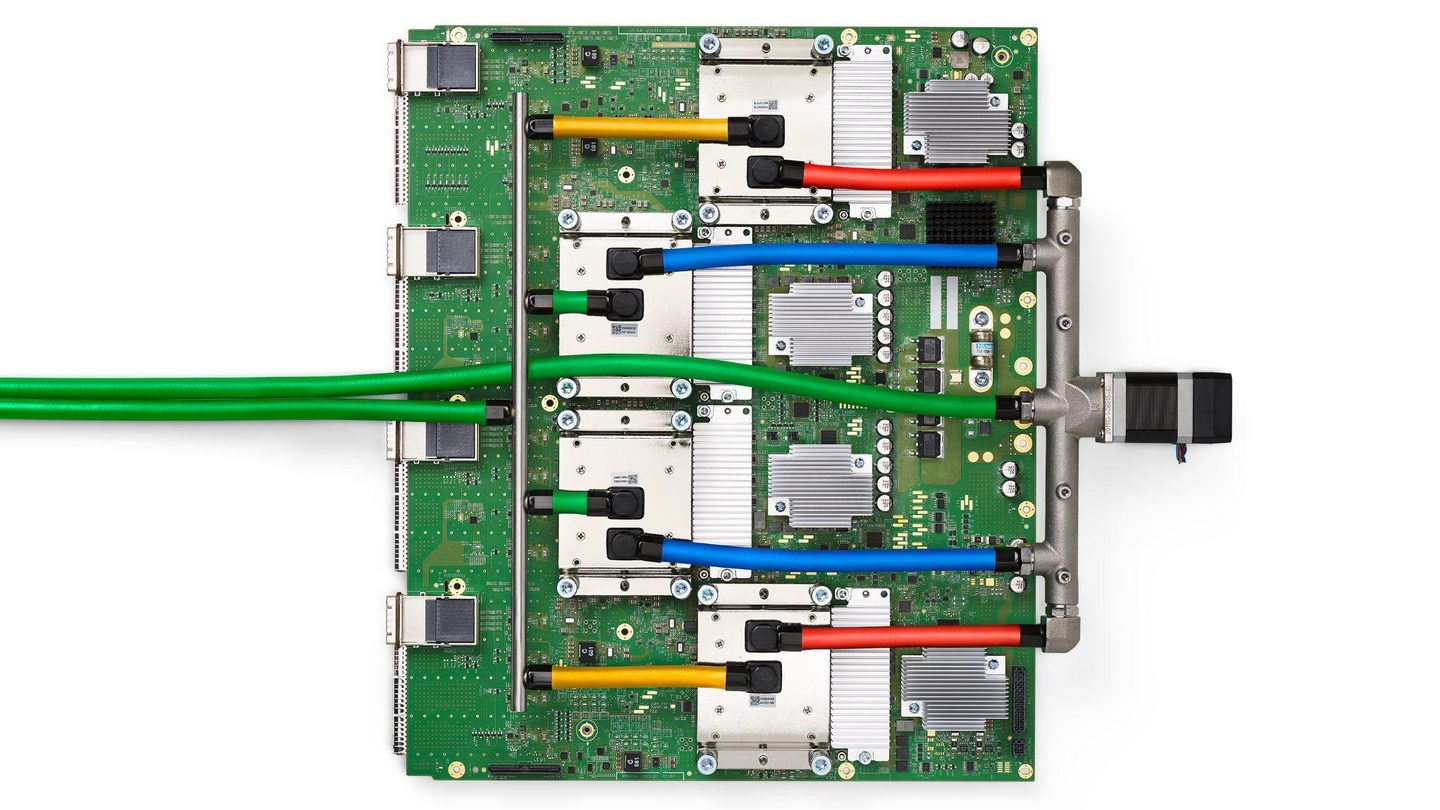
Oracle to offer Google's TPU AI chips in its cloud from 2027, the first provider outside Google to do so
Oracle and Google said Google's Tensor Processing Units will be available through Oracle Cloud Infrastructure from 2027. Oracle also said it will add OpenAI's Jalapeño chip and Cerebras hardware, and bring ChatGPT and Codex into its business applications.

Anthropic files for Nasdaq IPO, reporting $16.3 billion first-half revenue and an $80.7 billion net loss
The maker of the Claude AI models filed its S-1 registration with the US Securities and Exchange Commission on Monday and plans to list on the Nasdaq under the symbol ANT. The share count and price range have not been set.

Microsoft offers voluntary buyouts to staff in four countries; about 60,000 eligible, CNBC reports
Microsoft announced a Voluntary Exit Offer on Monday for eligible employees at level 70 and below in participating teams in the US, Canada, India and the UK. About 60,000 people, roughly 27% of its workforce, are eligible, CNBC reported, citing a person familiar with the matter.
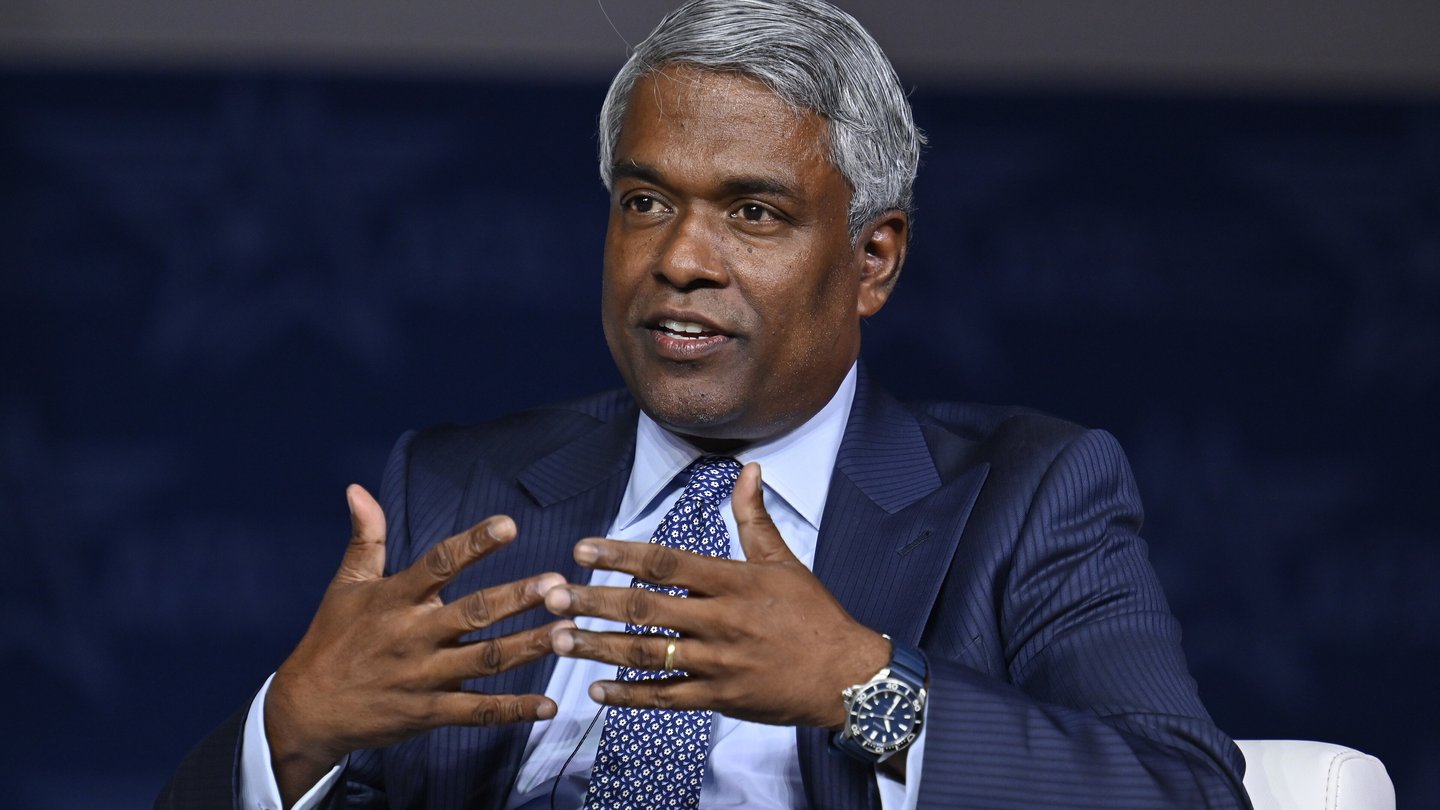
OpenAI to offer its models and Codex on Google Cloud
Google Cloud customers will be able to buy OpenAI frontier models through Model Garden and the Google Cloud Marketplace, the companies said. OpenAI said Microsoft remains its primary cloud partner.
Meta removes terms wording that experts said could allow it to scrape news sites for AI
After criticism, Meta deleted a clause from its commercial terms and said it does not change how its web crawlers work.