Google says its Project Suncatcher satellite has sent back its first AI response from a TPU in orbit
Google says a prototype satellite carrying its tensor processing unit (TPU) chips ran the company's open Gemma 4 model in orbit and sent a generated haiku back to Earth, the first AI response from a data-centre-class TPU in space.
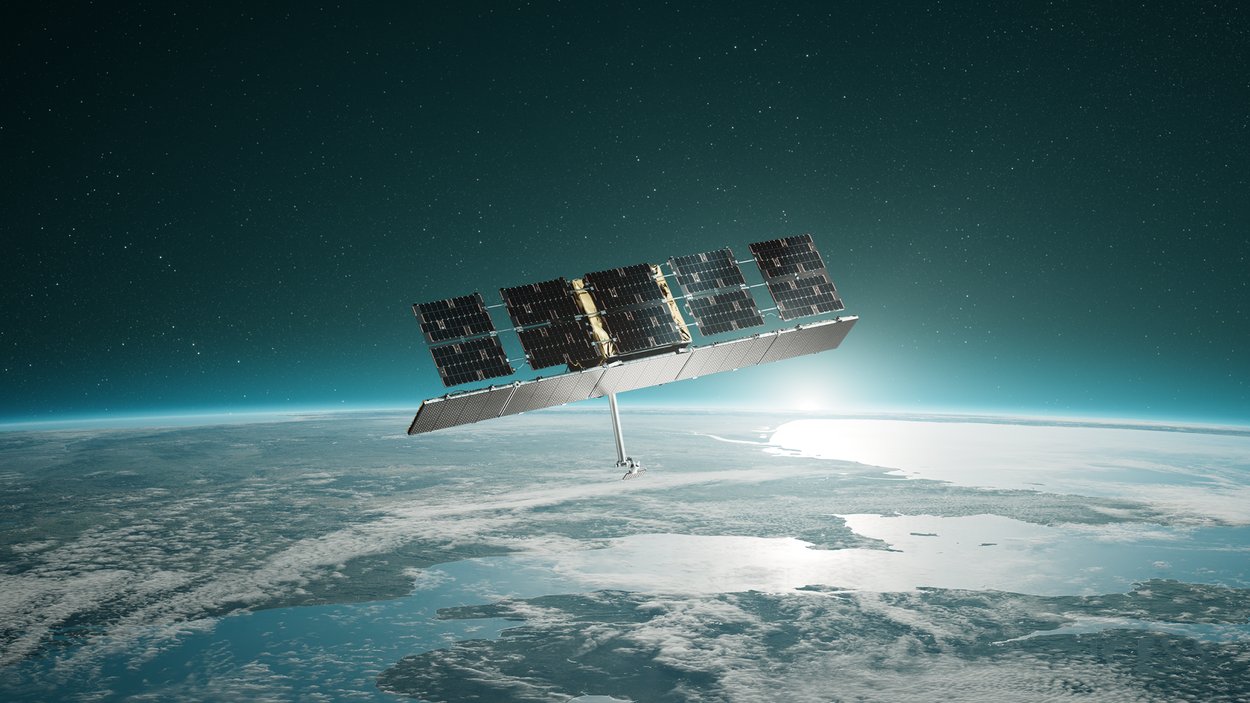
Google says a prototype satellite built for its Project Suncatcher research programme has run an artificial intelligence model in orbit and sent the result back to Earth.
In a blog post on Friday, 30 October, Travis Beals, a senior director at Google, said the company had reached its “Hello World” milestone: “the first-ever AI response from a data center class TPU in orbit”. TPUs, or tensor processing units, are the chips Google designed to run AI workloads in its data centres.
The satellite was launched on 1 October. Google said that over the following weeks it completed a commissioning checklist, which included powering up the host and TPU trays and running early machine-learning tests.
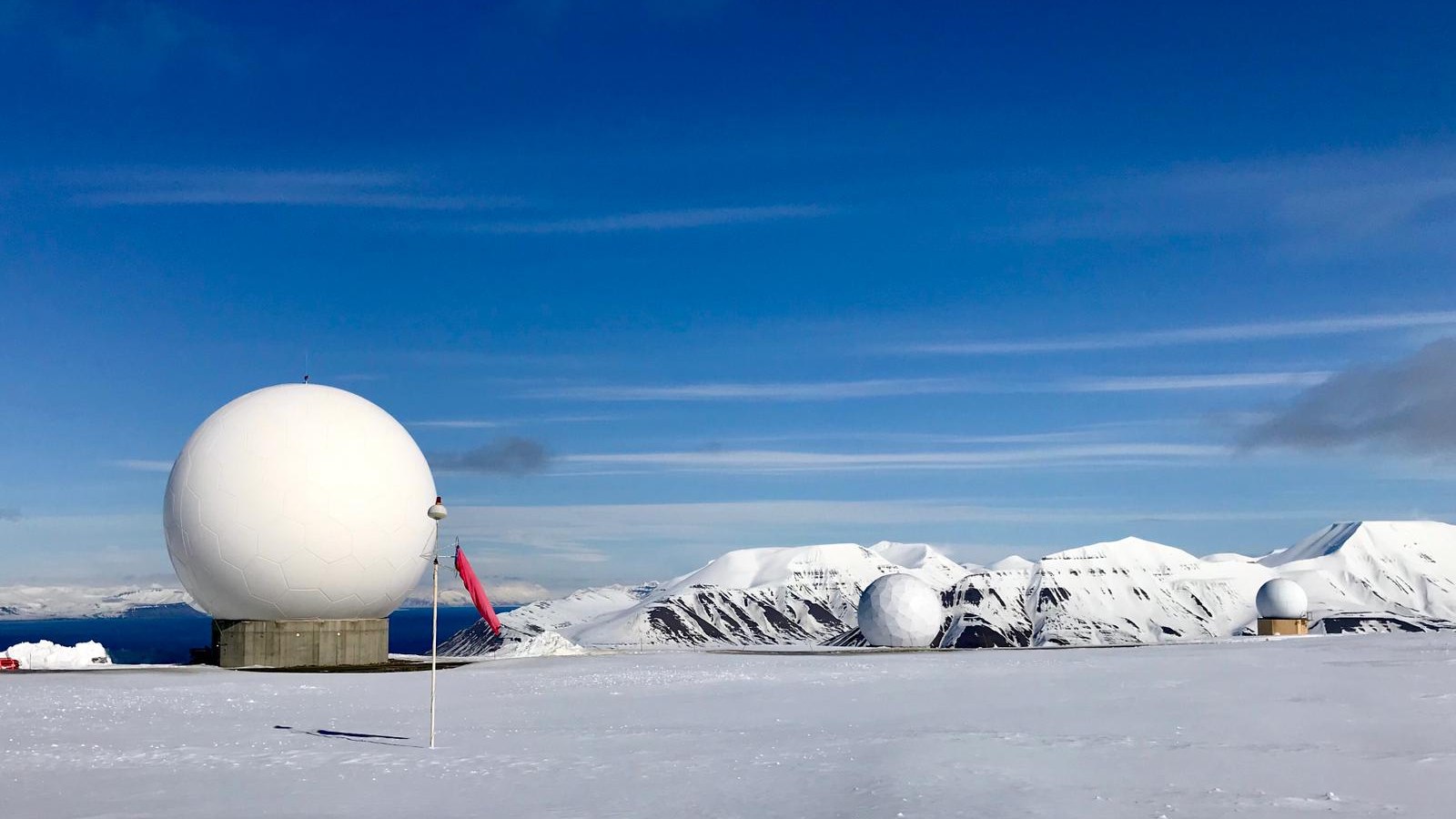
During a ground-station pass, engineers sent a prompt to the open Gemma 4 model on board, asking it to write a haiku about being in space. Google said the reply was received as the satellite passed over Svalbard, Norway. It read: “Blue marble below / Data streams in silent grace / Starlight feeds my core.”
Google said it has since tested limericks and prompts that report the technical status of the payload. Its next step is a series of tests on how the TPUs perform under thermal stress and radiation in orbit. The company said this would pave the way for its next milestone, a pair of interconnected satellites planned for 2027.
Project Suncatcher is a long-term Google research effort exploring whether AI computing could be powered in space.
Watch: Our first response from the Project Suncatcher prototype satellite. (Google on YouTube)
Sources
Related coverage
All technology →
Google announces Gemini 4 Carbon, releasing its new frontier AI model to cyber defenders first
Google says Gemini 4 Carbon is its strongest model for cybersecurity and long-running coding tasks. It is going first to a vetted group of cyber defenders through its Fairwind Program, with wider access for developers, businesses and consumers to follow after more guardrail testing.
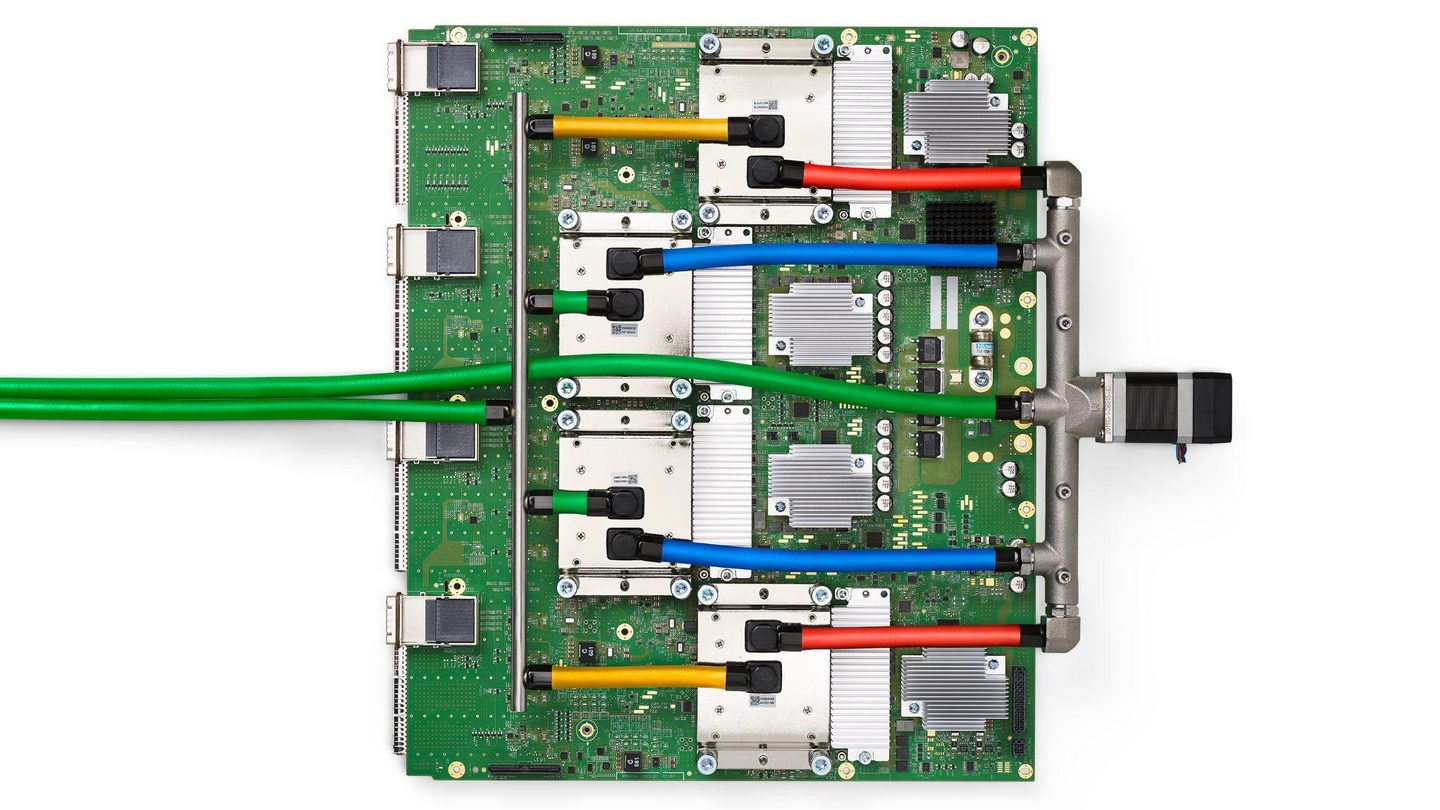
Oracle to offer Google's TPU AI chips in its cloud from 2027, the first provider outside Google to do so
Oracle and Google said Google's Tensor Processing Units will be available through Oracle Cloud Infrastructure from 2027. Oracle also said it will add OpenAI's Jalapeño chip and Cerebras hardware, and bring ChatGPT and Codex into its business applications.

FCC approves Amazon's $11.57 billion purchase of satellite operator Globalstar
The US Federal Communications Commission has approved Amazon's acquisition of Globalstar, giving its Amazon Leo satellite business Globalstar's licences and mobile-satellite spectrum for direct-to-phone services. The companies expect the deal to close in 2027.

Google DeepMind releases Genie 4 world model with real-time audio and mid-simulation prompts
Google DeepMind on Tuesday released Genie 4, an AI model that generates interactive virtual worlds users can steer in real time with text prompts, now with matching sound. It is available to a limited group of trusted testers, with wider access planned in the coming weeks.
OpenAI to offer its models and Codex on Google Cloud
Google Cloud customers will be able to buy OpenAI frontier models through Model Garden and the Google Cloud Marketplace, the companies said. OpenAI said Microsoft remains its primary cloud partner.
Russian military satellite makes close approach to Finnish-built radar satellite, trackers say
Space-tracking firm LeoLabs said Cosmos 2612's movement appeared to be a deliberate approach toward ICEYE-X36. Trackers said the two passed within a few hundred metres or less on Sunday and that Cosmos 2612 has since moved away. Russia has not commented.