Japan launches MMX spacecraft to bring back samples from Mars' moon Phobos
JAXA's Martian Moons eXploration spacecraft lifted off on the 10th flight of the H3 rocket from Tanegashima early on Tuesday Japan time and separated from the rocket as planned about 71 minutes later. It is due to reach Mars in August 2027.
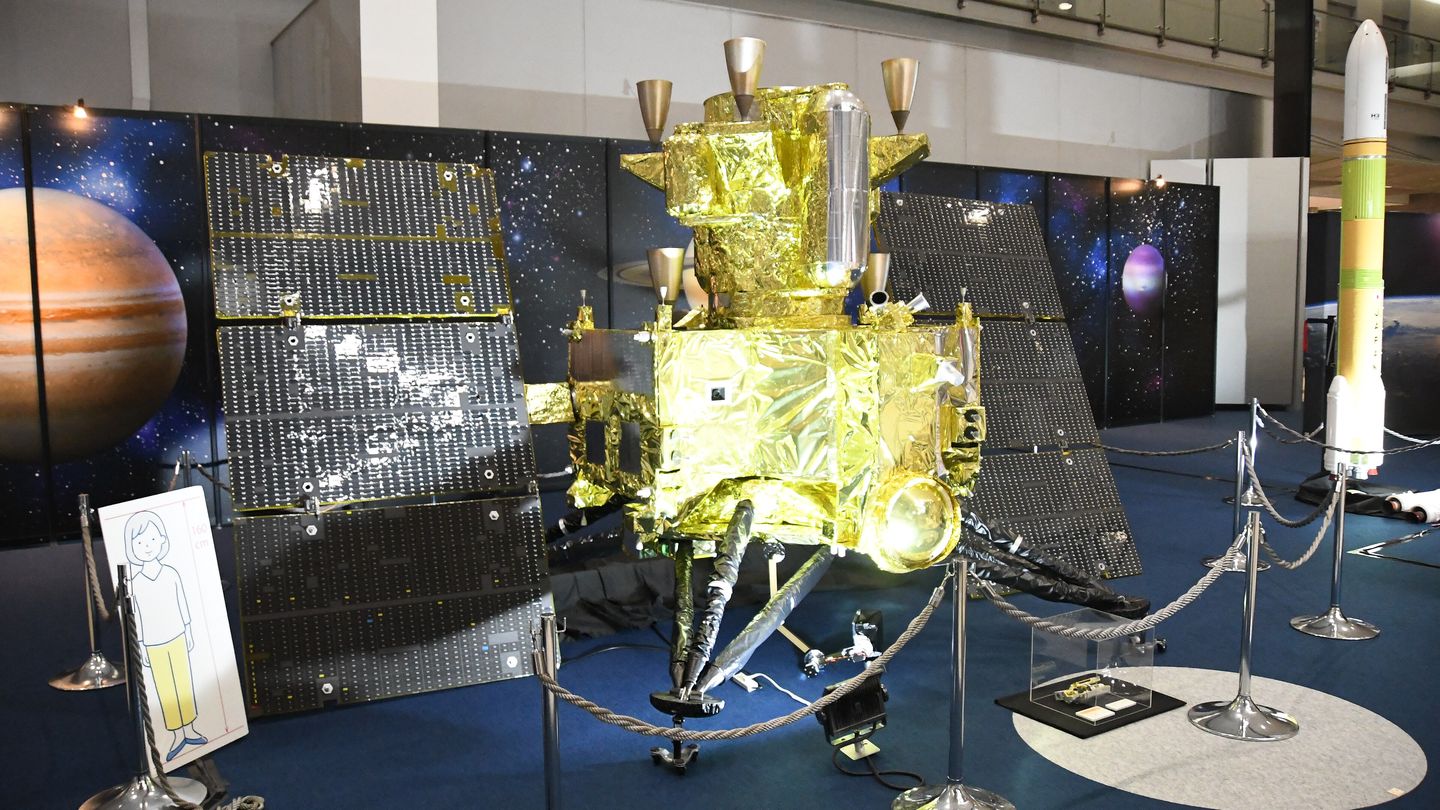
The Japan Aerospace Exploration Agency (JAXA) launched its Martian Moons eXploration (MMX) spacecraft at 4.41am Japan time on Tuesday 20 October aboard the 10th flight of the H3 rocket from the Tanegashima Space Center, the agency said.
“The H3 Launch Vehicle flew as planned,” JAXA said, adding that separation of the spacecraft was confirmed about 71 minutes and 13 seconds after liftoff and that MMX was then injected into its planned orbit.
MMX is designed to become the first spacecraft to land on Phobos, the larger of Mars’ two moons, and bring samples back to Earth, Space.com reported. According to the mission plan described by Space.com, the spacecraft will reach Mars in August 2027, spend about three years in the Martian system, deploy the IDEFIX rover built by the French and German space agencies on Phobos, make two landings to collect samples, fly past the smaller moon Deimos, and leave for Earth in November 2030. Its sample capsule is due to land in Australia in 2031.
The mission is led by JAXA with NASA and the European Space Agency as partners. NASA has supplied a gamma-ray and neutron spectrometer and a sampling device and will receive at least 15% of the planned 10-gram sample, Space.com reported. Scientists hope the samples will show whether Phobos and Deimos are captured asteroids or formed from debris after a large impact on Mars, Space.com reported.
Russia’s Phobos-Grunt sample-return mission, launched in November 2011, failed to leave Earth orbit and fell back to Earth in January 2012.
Watch: Launch live streaming of Martian Moons eXploration (MMX)/H3 Launch Vehicle flight No.10(English) (JAXA on YouTube)
Sources
Related coverage
All technology →
South Korea's Kospi rises 3.3% and Nikkei gains 0.9% on Wednesday; Hong Kong and Shanghai fall
Asian share markets closed mixed, with technology shares lifting Seoul and Tokyo while markets in Greater China ended lower.
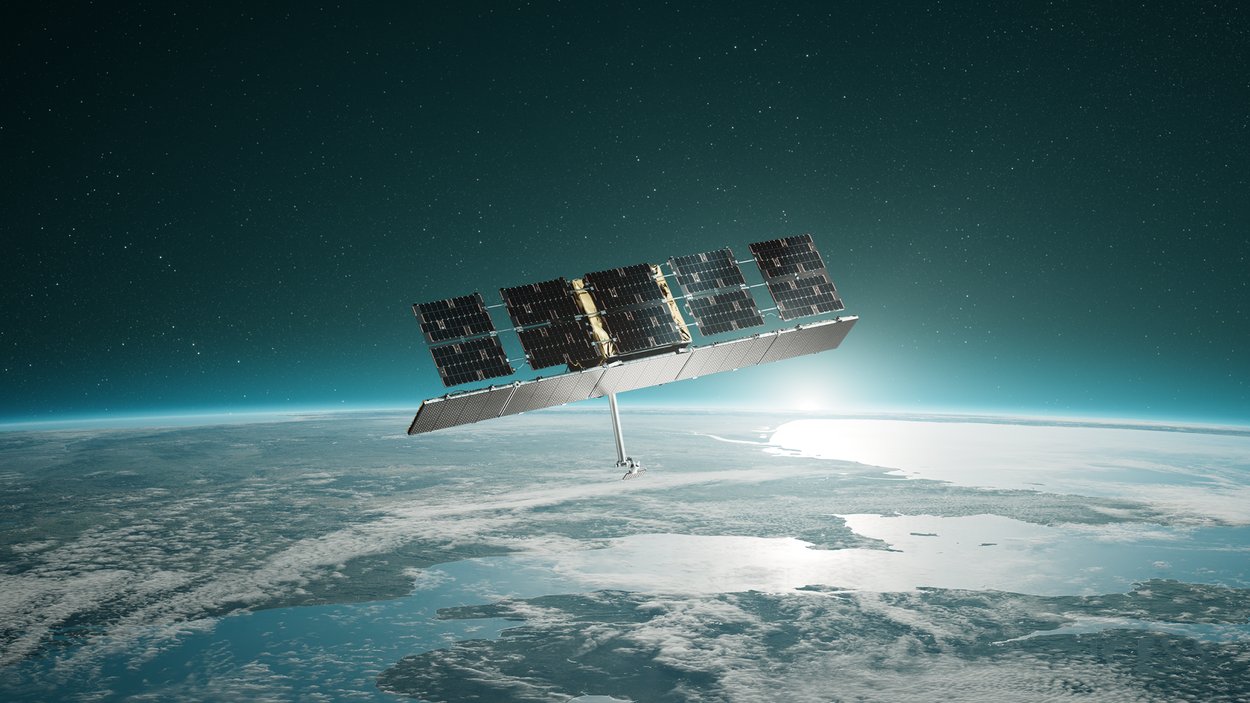
Russian military satellite makes close approach to Finnish-built radar satellite, trackers say
Space-tracking firm LeoLabs said Cosmos 2612's movement appeared to be a deliberate approach toward ICEYE-X36. Trackers said the two passed within a few hundred metres or less on Sunday and that Cosmos 2612 has since moved away. Russia has not commented.

BOJ's Ueda says bank won't tolerate inflation rising above 2%; IMF says faster hikes may be needed
The Bank of Japan governor said the bank would keep raising rates. The IMF's Asia director said the BOJ may have to tighten faster if inflation beats forecasts. The BOJ next meets on 29-30 October.

Nikkei says 1.83 million personal data items leaked after cloud account breach
The Japanese media group said stolen credentials were used to access a cloud service used for system development on 7 October.