Israel election exit polls: Likud largest party, but neither bloc projected to reach a 61-seat majority
Exit polls from Kan 11, Channel 12 and Channel 13 project Benjamin Netanyahu's Likud as the largest party, with the bloc opposing him on 52-53 seats, his bloc on 50 and Arab-led parties on 17-18. Turnout was 74.3% at 6pm GMT, the Central Elections Committee said. These are exit polls, not results.
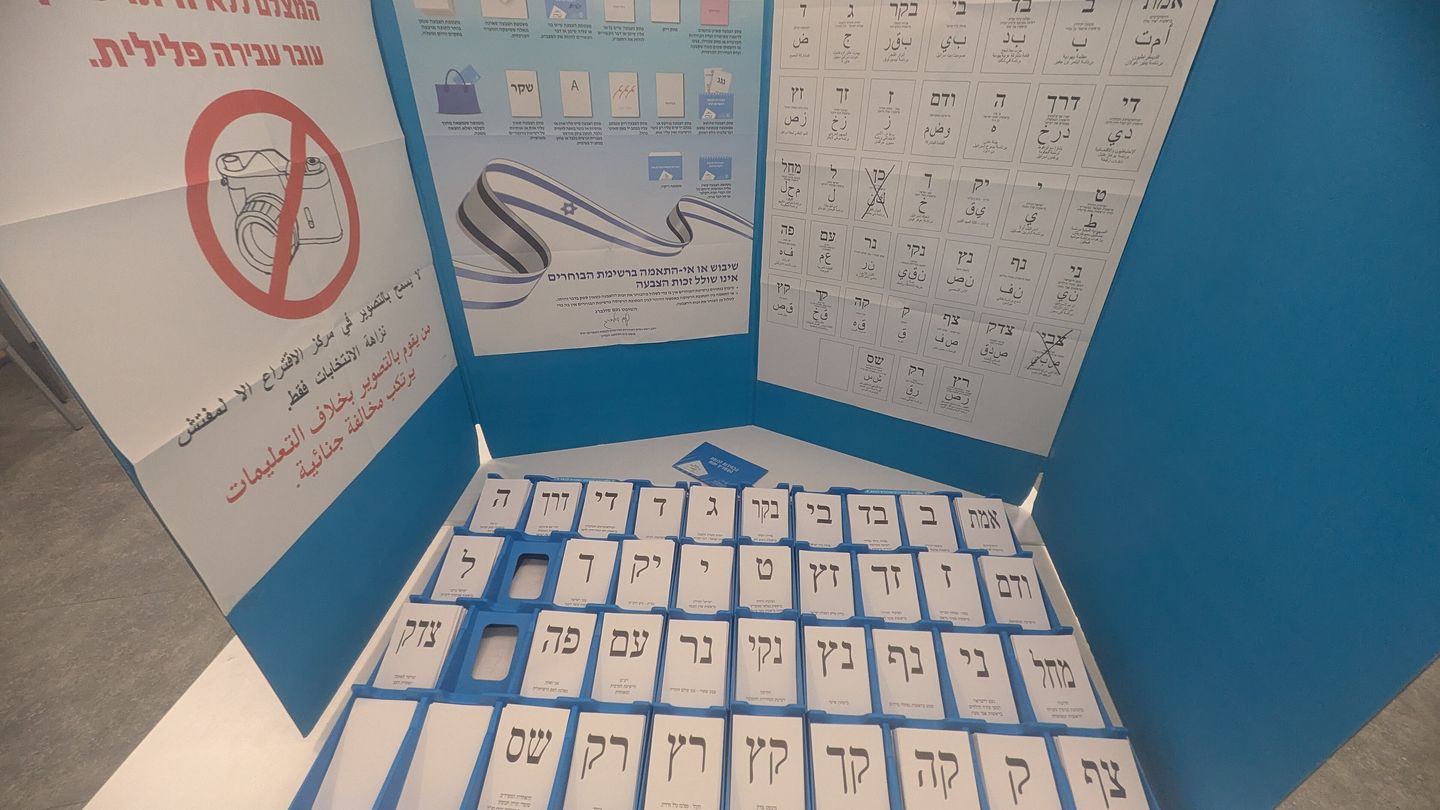
Exit polls published by Israel’s three main television channels when voting closed at 8pm GMT on Tuesday 27 October (10pm in Israel) project Prime Minister Benjamin Netanyahu’s Likud as the largest party in the 26th Knesset, while the bloc of parties seeking to replace him is projected to win more seats than his bloc. None of the three polls gives either bloc the 61 seats needed for a majority in the 120-seat parliament.
These figures are exit polls, not official results. The Central Elections Committee is counting the votes, and the broadcasters said the projections could change as ballots are counted, particularly for parties close to the 3.25% electoral threshold.
Exit polls by channel
Kan 11 (public broadcaster): Likud 25 seats, Gadi Eisenkot’s Yashar 21. Bloc projection: anti-Netanyahu bloc 53, Netanyahu’s bloc 50, Arab-led parties 17, according to The Times of Israel’s report of the poll. Kan said the poll would be updated every 30 minutes through the night.
Channel 12: Likud 24, Yashar 22, Naftali Bennett’s B’Yachad 12, Joint List 11, The Democrats 9, Yisrael Beiteinu 9, Ra’am 7, United Torah Judaism 7, Shas 6, Religious Zionism-Zehut 6. Bloc projection: anti-Netanyahu bloc 52, Netanyahu’s bloc 50, Arab-led parties (Joint List and Ra’am) 18, as reported by Ynetnews and The Times of Israel.
Channel 13: Likud 25, Yashar 23, B’Yachad 14, Joint List 10, The Democrats 9, Yisrael Beiteinu 7, Ra’am 7, United Torah Judaism 7, Shas 6, Religious Zionism-Zehut 6. Bloc projection: anti-Netanyahu bloc 53, Netanyahu’s bloc 50, Arab-led parties 17.
Ynetnews reported that both the Channel 12 and Channel 13 exit polls project three smaller parties below the threshold: Ofer Winter’s Amcha Yisrael, the Reservists-Economic Party led by Yoaz Hendel and Yaron Zelekha, and the Haredi Public party. The Times of Israel said a combined 17 to 18 seats for Arab-led parties would be a record. Final pre-election polls by the same three channels had placed Yashar ahead of Likud, according to Ynetnews.
Ynetnews also reported that Likud officials pointed to a separate exit poll by pollster Shlomo Filber on Channel 14, which they said indicated a tie between the blocs.
Turnout
The Central Elections Committee said 5,449,277 of 7,331,981 eligible voters had cast ballots by 8pm in Israel (6pm GMT), a turnout of 74.3%. Acting director general Dean Livne said that compared with 66.3% at the same hour in the 2022 election, Anadolu Agency and Ynetnews reported. Ynetnews said it was the highest turnout at that hour since 1988, and that it had already passed the 2022 election’s final turnout of 70.63%. Voters chose among 36 lists at 12,018 polling stations, according to committee data reported by Israel National News.
The committee rejected a request by Likud and several other right-wing parties to extend voting beyond the 10pm closing time, saying “the current circumstances do not justify an extension”, the BBC reported. During the day, Netanyahu posted on social media that high turnout among Arab voters was an “emergency” and a “matter of life or death” for the Israeli right, and called on his supporters to vote, according to the BBC.
What happens next
The BBC reported that official results would start to be published from 10pm GMT, and that about 600,000 absentee ballots, almost all from the military, would not be fully counted until Thursday. Ynetnews reported that more than 650,000 special double-envelope ballots require separate verification, and that committee officials warned the count could continue until Friday morning. According to the BBC, official final results are scheduled to be published at the start of November.
After the results, President Isaac Herzog consults the parliamentary factions and asks the lawmaker he considers most likely to form a government to try to build a coalition. If no majority emerges, Netanyahu stays on as caretaker prime minister while attempts are made to form a government, the BBC reported.
Leaders’ reactions
At about 8:20pm GMT the BBC reported from Yashar’s headquarters in Tel Aviv that supporters were celebrating as the exit polls were shown, but no party representative had yet spoken. No post-poll statements from Netanyahu or Eisenkot had been reported at the time of publication. This story will be updated with the official count and leaders’ statements.
Background: Trump endorses Netanyahu ahead of Israel’s 27 October election; Vance declines to endorse Netanyahu; Netanyahu says Trump is ready to act against Iran “only with me”.
Sources
- Israel election exit polls: Opposition edges Netanyahu, Likud largest as Arab parties surge · Ynetnews
- Kan exit poll shows no clear victor: Netanyahu's Likud is largest party but opponents have larger bloc · The Times of Israel
- Channel 12 exit poll shows no clear victor: Netanyahu's Likud is largest party but his opponents have bigger bloc · The Times of Israel
- Channel 13 exit poll: Eisenkot-led bloc in lead, Likud largest party, but neither camp gets majority amid record Arab showing · The Times of Israel
- Israel's parliamentary election turnout reaches 74.3% by 8 pm · Anadolu Agency
- Israel election turnout hits 74.3% by 8 p.m., highest since 1988 · Ynetnews
- Israeli exit polls suggest no clear winner with Eisenkot's bloc just ahead of Netanyahu (live) · BBC News
- No clear winner in Israeli election, exit polls suggest, as Netanyahu's fate hangs in the balance · AP
- Netanyahu vs. Eisenkot: What Israel's election exit polls mean · Ynetnews
Related coverage
All world news →
Netanyahu says Trump is ready to act against Iran 'only with me' in final Channel 14 interview before Israel's election
Speaking on Channel 14's 'The Patriots' on Sunday evening, Prime Minister Benjamin Netanyahu said US President Donald Trump would be willing to act to remove the Iranian threat only with him, and said Iran was trying to rebuild its nuclear programme.
Netanyahu says there are signs Iran may attack to disrupt Israel's election and warns 'don't test us'; Iran says it is still exchanging messages with the US
Speaking at an Arrow missile-defence battery on Sunday, two days before Israel's 27 October election, Prime Minister Benjamin Netanyahu said Israel had intelligence that Iran and its allies could attack to disrupt the vote. Iran's Foreign Ministry spokesman said Tehran had not left negotiations and was passing messages to Washington through intermediaries.
Israel orders Hebron cordon and West Bank closure preparations after two soldiers are killed; High Court halts initial demolitions
Israeli Prime Minister Benjamin Netanyahu ordered security forces to seal off Hebron and prepare a full closure of the occupied West Bank after two soldiers were killed in a gunfight outside the city on Friday. Israel's High Court of Justice later issued a temporary order halting building demolitions near the site after a legal petition arguing they amounted to collective punishment.
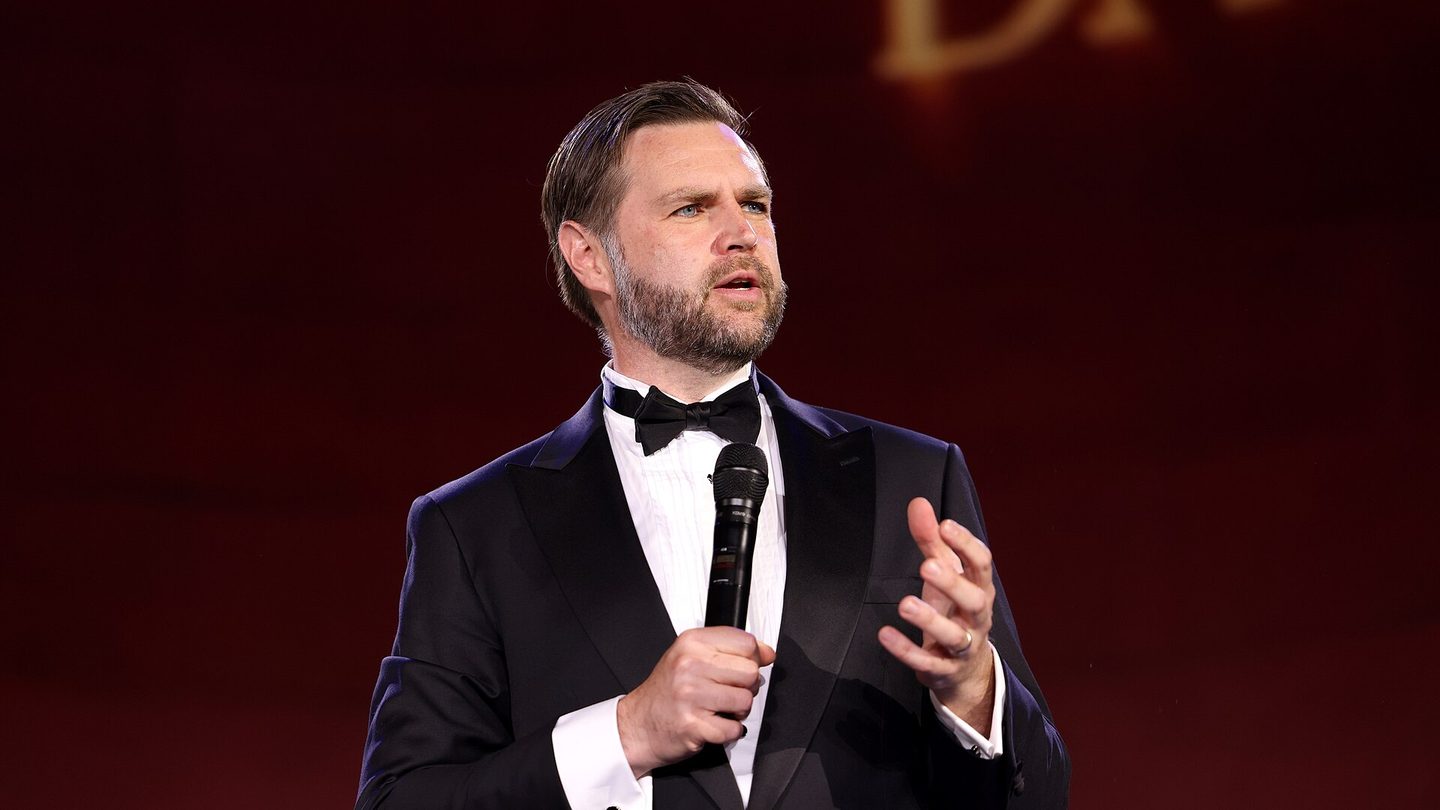
Vance declines to endorse Netanyahu for re-election, a day after Trump's "Complete and Total Endorsement"
US Vice President JD Vance said he was "not getting involved" in Israel's 27 October election and was focused on the US midterms, after President Donald Trump publicly backed Prime Minister Benjamin Netanyahu.
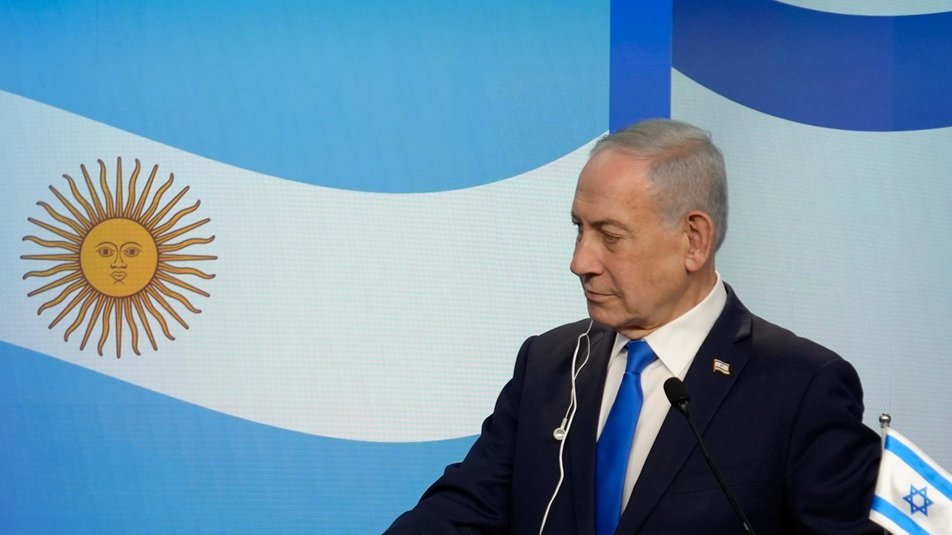
Netanyahu says a future US president could be 'very hostile' to Israel and vows to bring down Iran's government
Presenting an updated security doctrine nine days before Israel's 27 October election, Prime Minister Benjamin Netanyahu called for new alliances beyond the United States and said he had directed security agencies to work for the fall of Iran's government. Opposition leaders called the doctrine hollow.
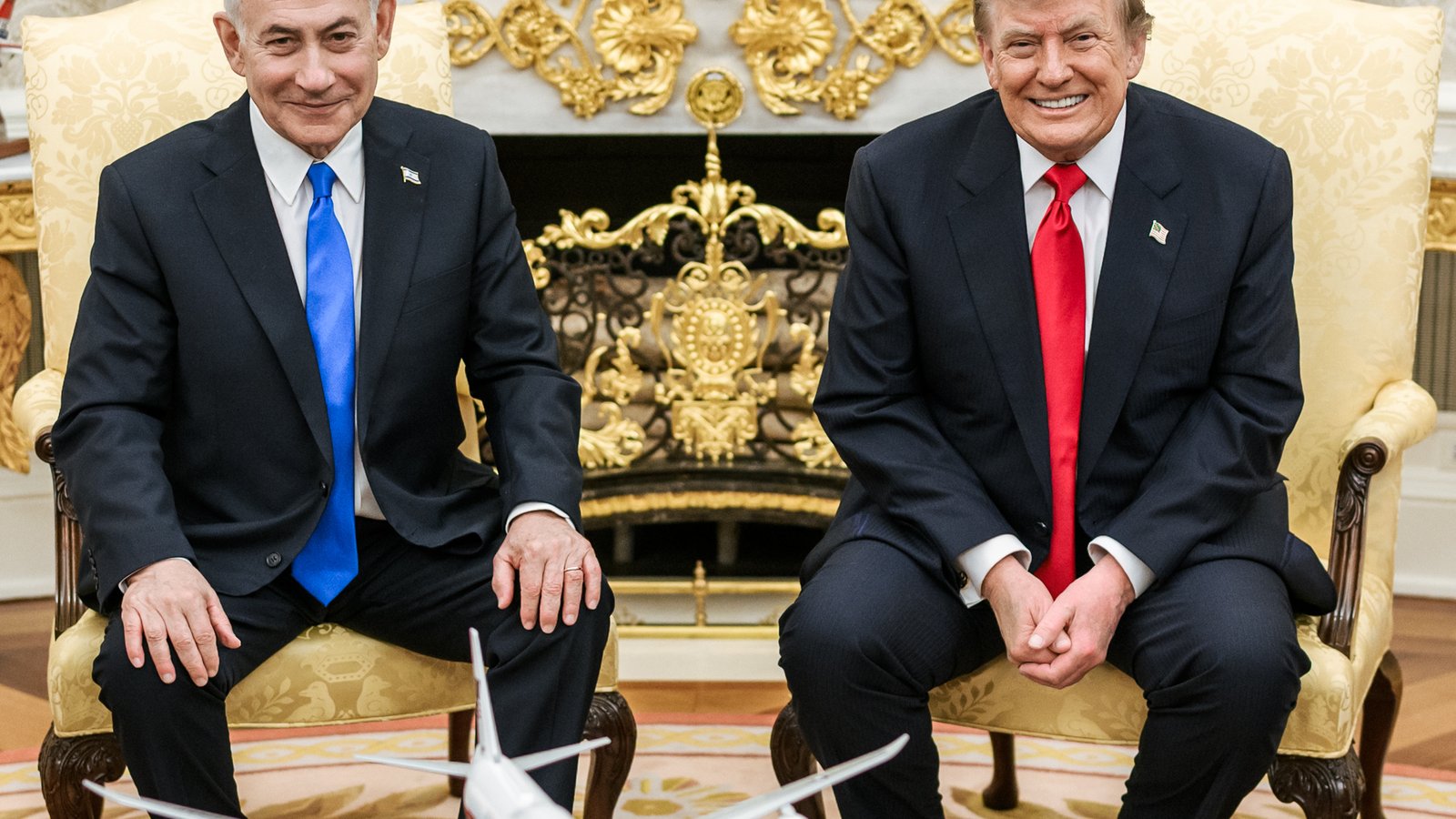
Trump endorses Netanyahu ahead of Israel's 27 October election
The US President gave Benjamin Netanyahu his "Complete and Total Endorsement" on Truth Social. Netanyahu thanked him; his main rival, Gadi Eisenkot, said "only Israelis can choose their leader".