Saudi, Pakistani and Turkish delegations hold talks in Tehran aimed at averting renewed war; Iran says it will defend itself
Saudi Defence Minister Khalid bin Salman, Pakistan's army chief Field Marshal Asim Munir and Turkish intelligence chief Ibrahim Kalin were in Tehran on Monday for meetings with Iranian security officials and negotiators, Iran's Foreign Ministry said. Qatari mediators also travelled to Tehran on Sunday.
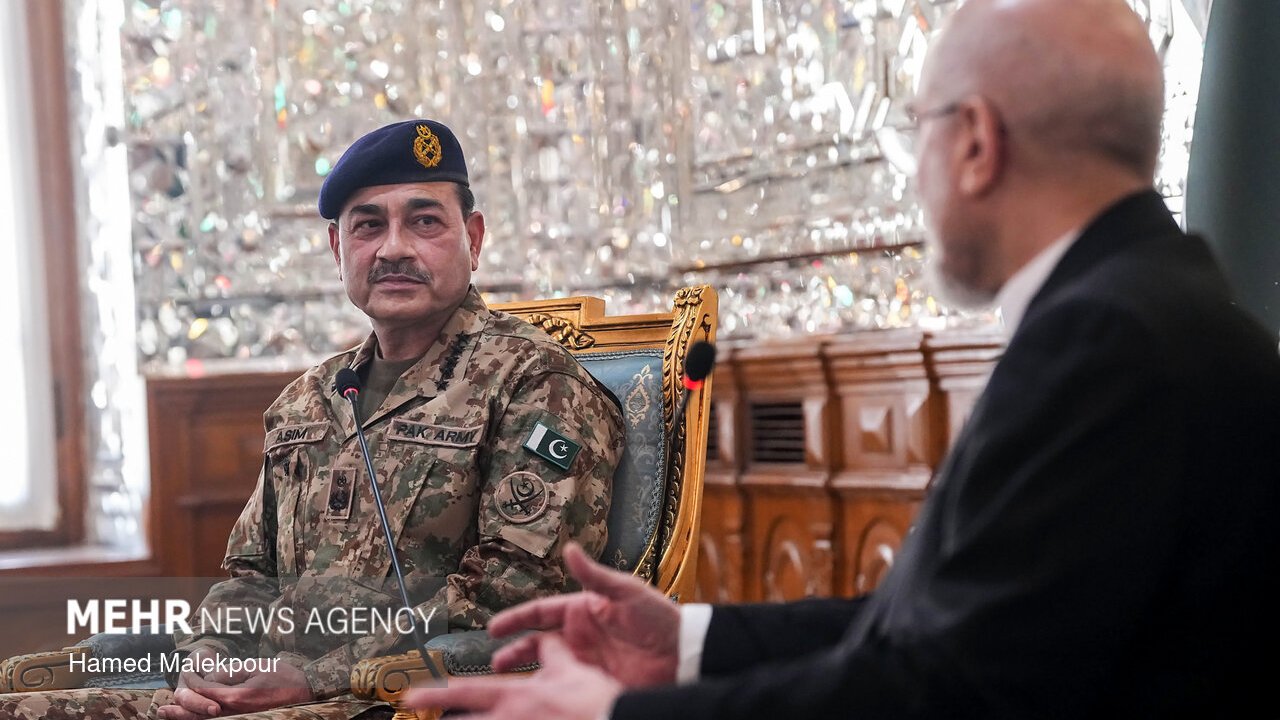
High-level delegations from Saudi Arabia, Pakistan and Turkey held meetings in Tehran on Monday 26 October aimed at averting renewed fighting, Iran’s Foreign Ministry said, according to The Times of Israel. The three countries are signatories of what the report called the Mecca Defense Pact.
Saudi Defence Minister Khalid bin Salman, Pakistan’s army chief Field Marshal Asim Munir and Ibrahim Kalin, head of Turkey’s intelligence service, were due to meet Iran’s top security officials and negotiators to push for a deal between Tehran and Washington. Two regional officials, speaking on condition of anonymity, said the war in Yemen and Houthi attacks on Saudi Arabia were also on the agenda.
Saudi Arabia said in a statement that the delegations hoped to find “ways to de-escalate tensions, enhance regional security and promote its stability”. Iranian Foreign Ministry spokesman Esmail Baghaei said the agenda was not set, but that the talks would “undoubtedly address the most pressing threats to regional security”, including what he called “the US military aggression” and Israel’s actions. He said it was “a positive thing” that regional countries were seeking security mechanisms based on their own interests.
Asked whether Iran was planning attacks, Baghaei said Iran “will not hesitate to exercise its inherent right to self-defense to protect Iran’s sovereignty, territorial integrity, and independence”. A regional official said Qatari mediators, working in coordination with the US, had also travelled to Tehran on Sunday.
Background: The war between Iran and the US and Israel began with US and Israeli strikes on Iran on 28 February. Pakistan and Qatar helped broker a deal in June for Iran to reopen the Strait of Hormuz and for the US to end its blockade of Iranian ports; it unravelled when both sides resumed attacks. On Sunday Baghaei said Iran was still exchanging messages with the US through intermediaries. See also: Iran tells Pakistan’s army chief no enriched uranium will leave the country and CNN reports Netanyahu sought a joint strike on Iran.
Sources
- Netanyahu pushed for Iran strike before election but Trump refused, CNN says · The Times of Israel
Related coverage
All world news →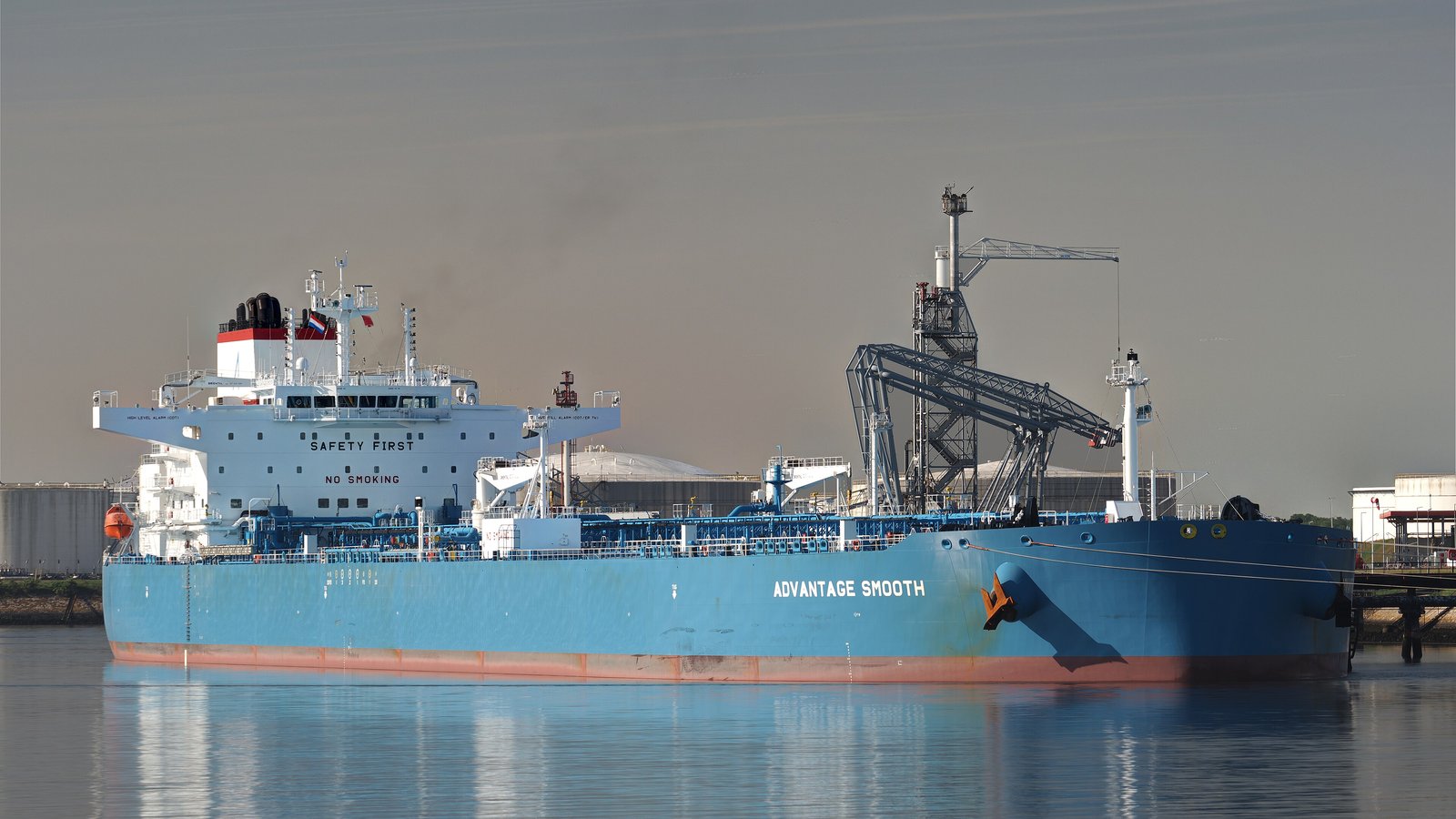
Oil eases from six-month high as Saudi defence minister holds talks in Tehran; gold back above $4,000
Brent crude was down 0.8% at $115.81 a barrel late on Monday afternoon in Europe after briefly topping $117. Spot gold rose back above $4,000 an ounce after Friday's lowest level since July.
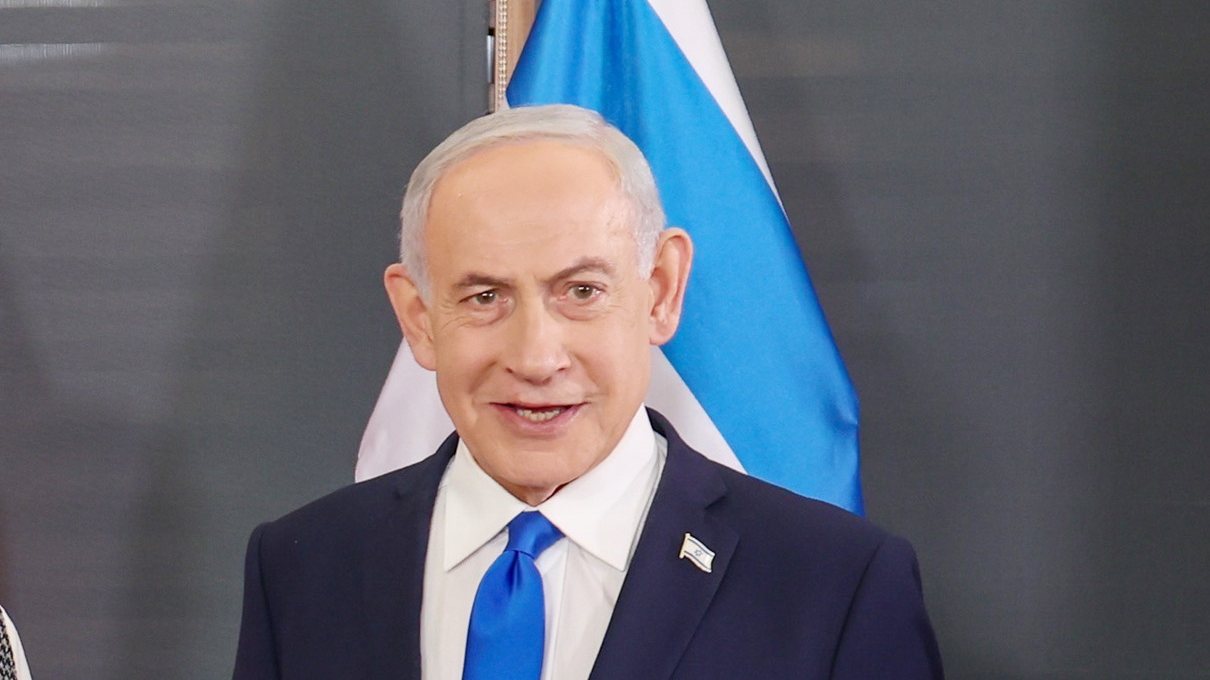
Netanyahu says there are signs Iran may attack to disrupt Israel's election and warns 'don't test us'; Iran says it is still exchanging messages with the US
Speaking at an Arrow missile-defence battery on Sunday, two days before Israel's 27 October election, Prime Minister Benjamin Netanyahu said Israel had intelligence that Iran and its allies could attack to disrupt the vote. Iran's Foreign Ministry spokesman said Tehran had not left negotiations and was passing messages to Washington through intermediaries.
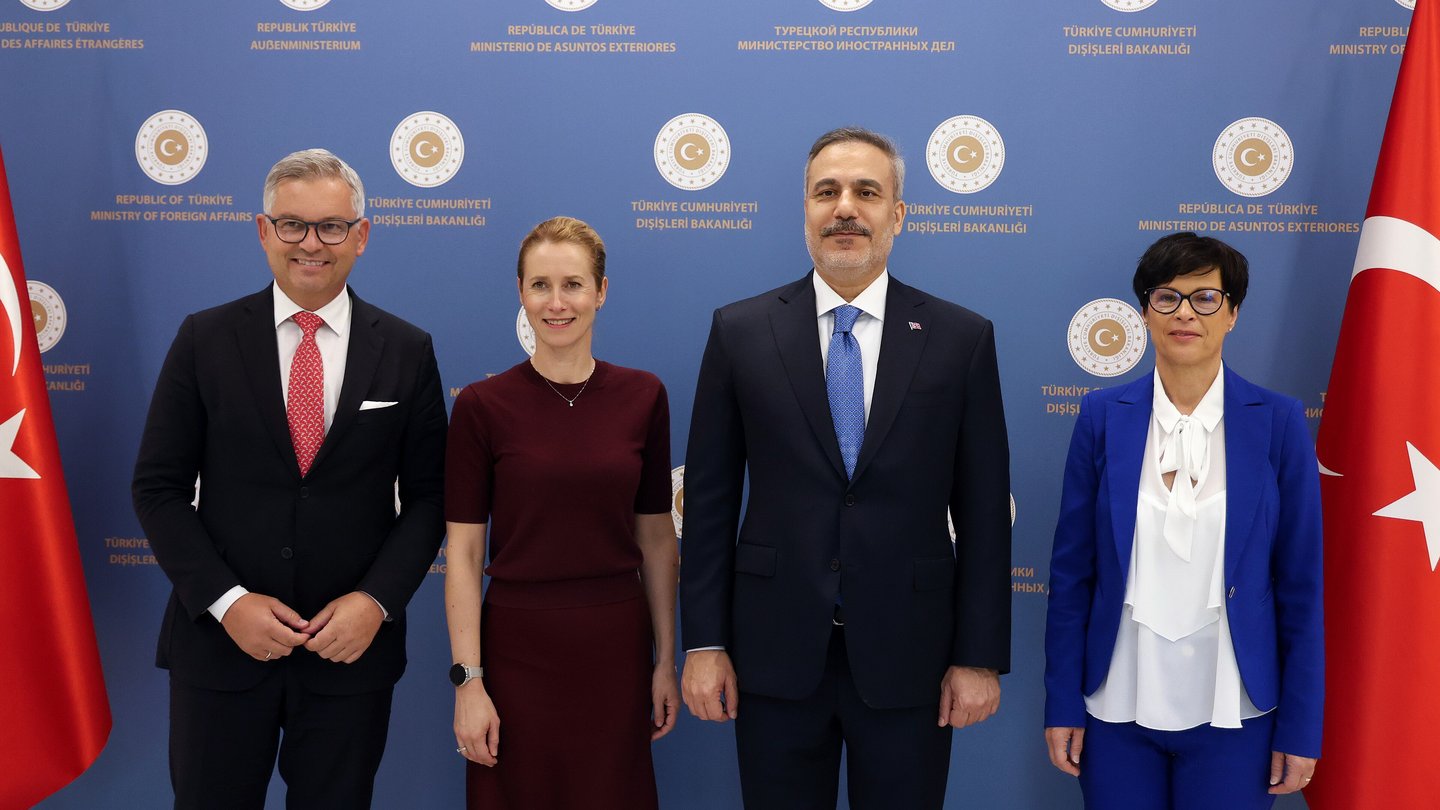
Regional and European ministers in Istanbul say a new attack on Iran would widen the war; Iran's military chief says US warships cannot re-enter the Gulf
Foreign ministers from Turkey, Saudi Arabia, Pakistan and Egypt met counterparts from the UK, France, Germany and Italy in Istanbul on Friday, without the US or Iran. On Saturday Iran's armed forces chief of staff, Ali Abdollahi, said the US Navy could not return to the Persian Gulf.
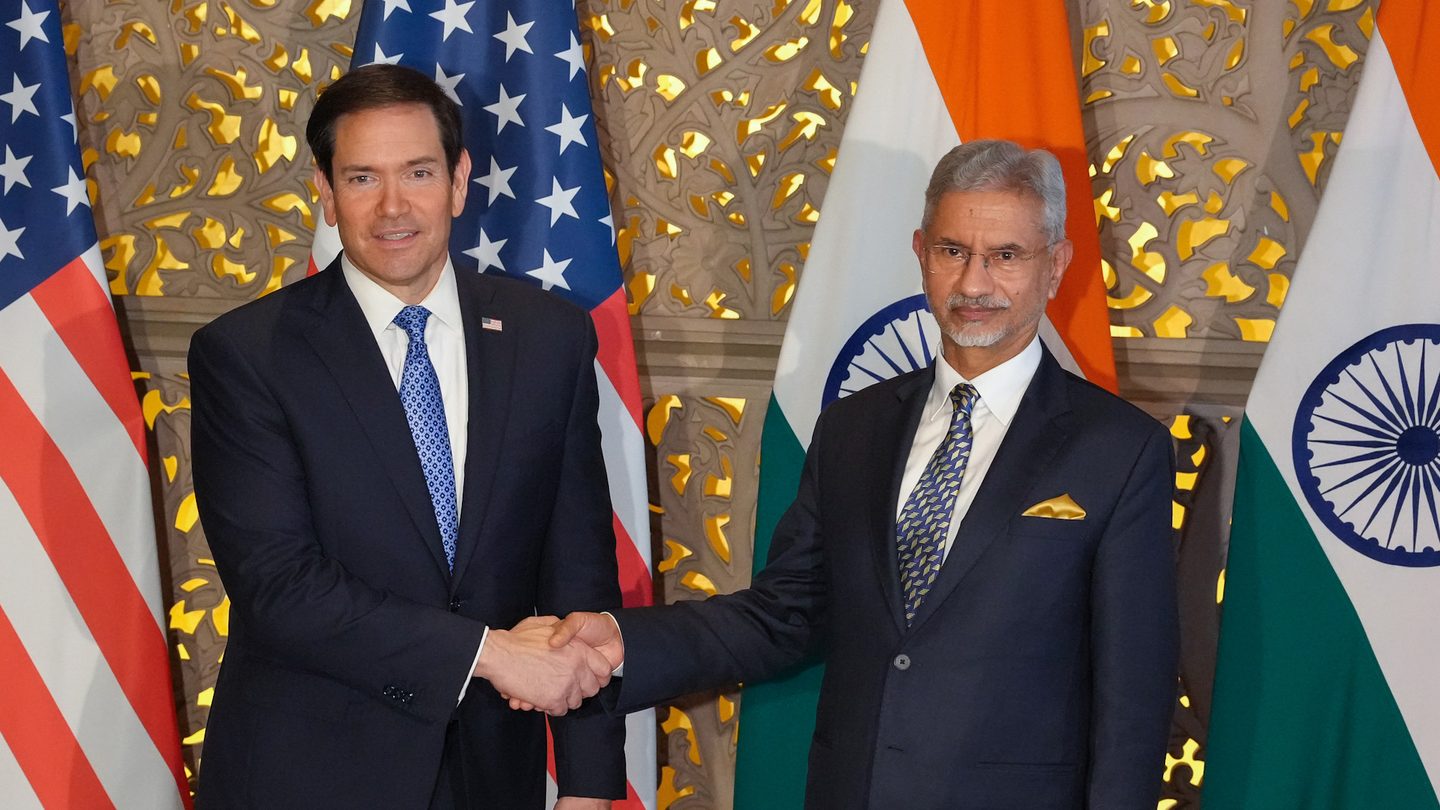
Rubio in Mumbai: India trade deal "weeks, not months" away; accuses Iran of "Nazi U-boat tactics" in Hormuz
In an interview with India's Network18, US Secretary of State Marco Rubio said a US-India trade deal was "incredibly close", defended the US relationship with Pakistan and said a Quad leaders' summit will be held in Manila.
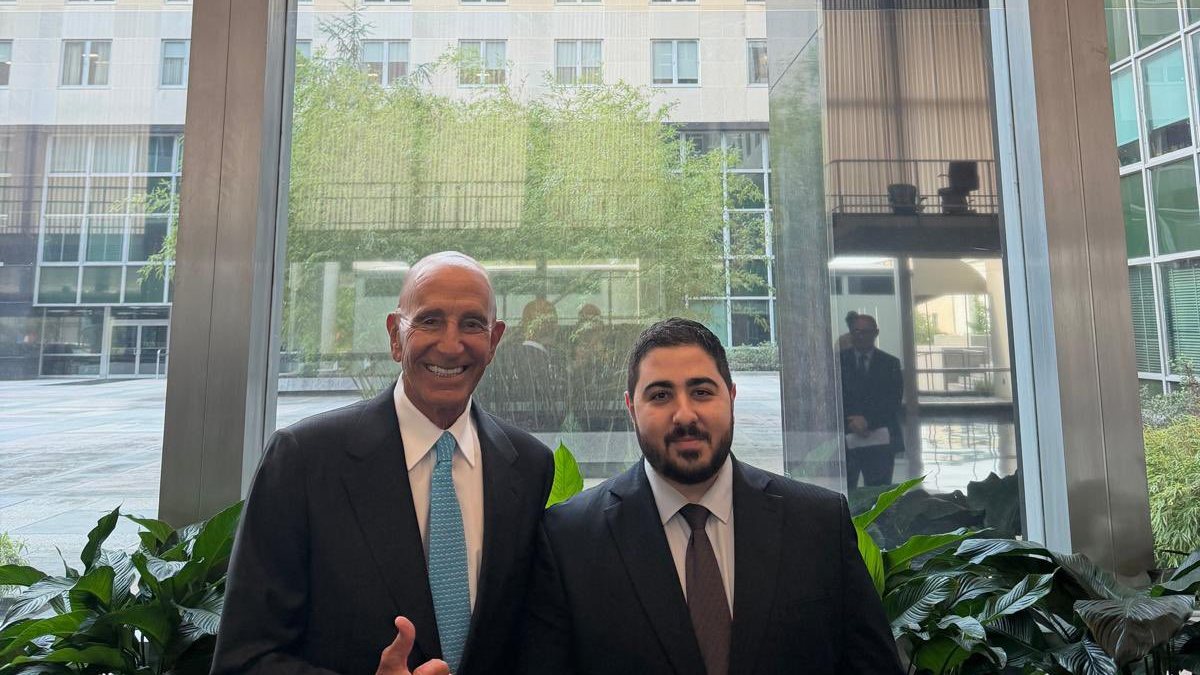
US envoy Barrack says Washington is moving away from its Middle East security-guarantor role but 'not leaving'
Speaking at the Global Security Forum in Doha, Tom Barrack, the US ambassador to Turkey and special envoy, said the oil-for-security bargain was "transitioning" and that US ground fighting on Saudi Arabia's behalf against the Houthis would be "fruitless".
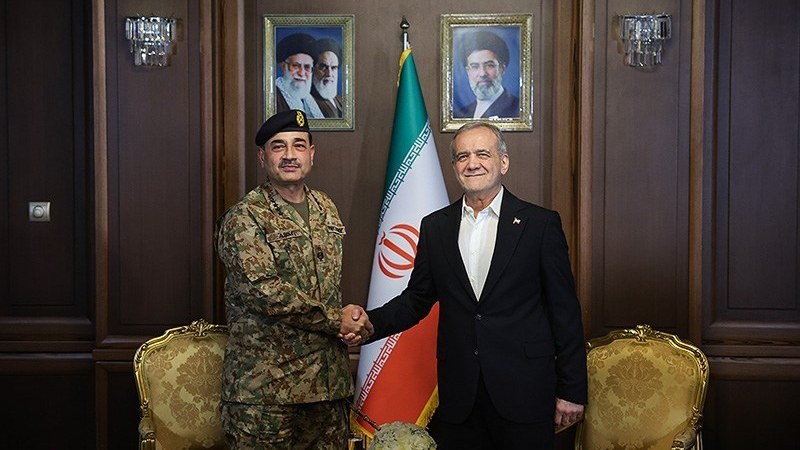
Iran tells Pakistan's army chief no enriched uranium will leave the country and no talks until US meets its conditions
Iran's top security official, Mohsen Rezaei, told visiting Pakistani army chief Asim Munir that "not even a tiny bit" of enriched nuclear material would leave Iran, state media reported. Separately, senior Iranian officials told Reuters that Tehran has deliberately prolonged talks with the US ahead of the midterm elections.