Italy's cabinet approves security decree after Milan riots; plan for 500 troops with police powers draws objection from president's office
Deputy Prime Minister Antonio Tajani said the government would deploy 500 soldiers with police powers in Milan and toughen rules on juvenile crime. President Sergio Mattarella's office raised a constitutional objection to giving the military police powers.
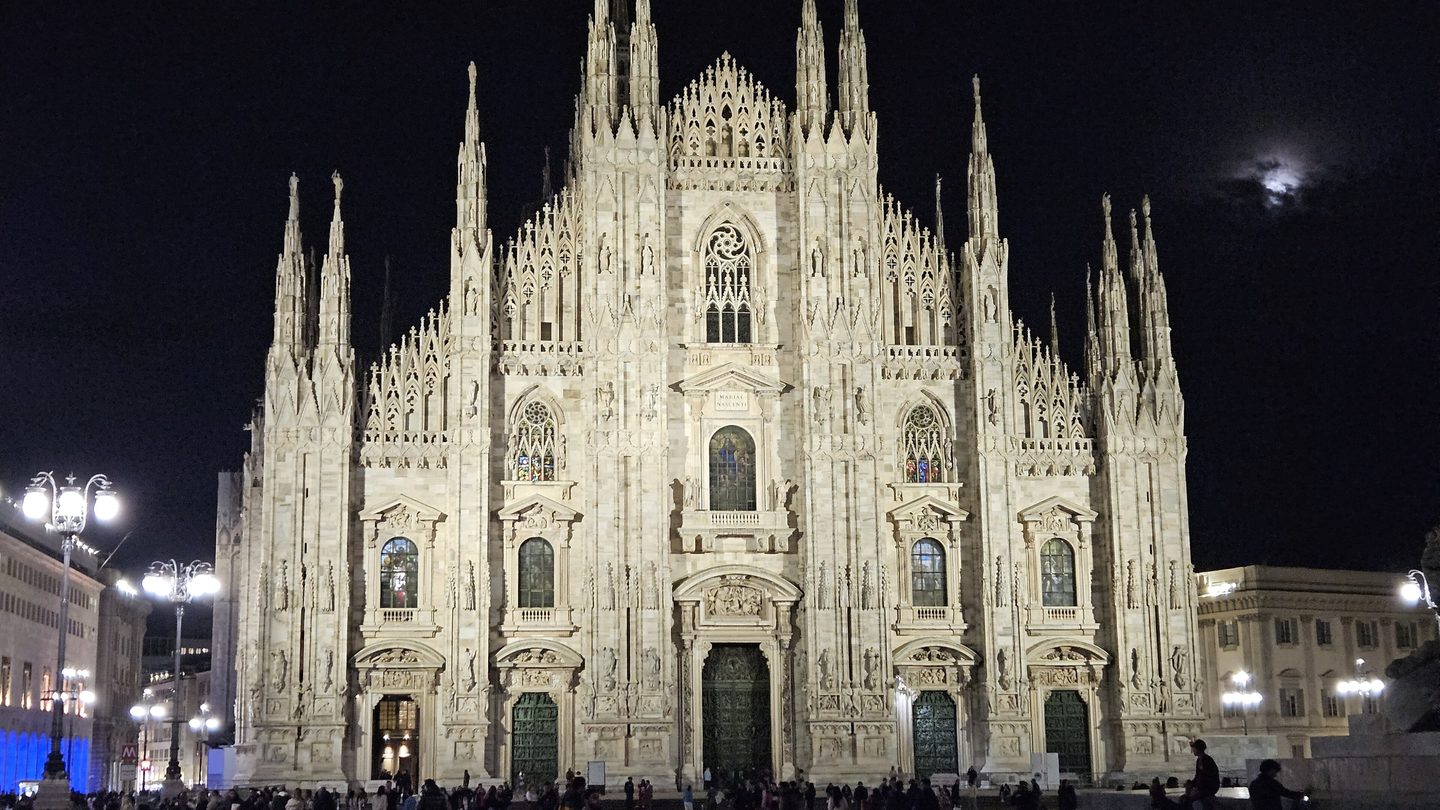
Update, 7:08pm GMT Tuesday: The 500 extra troops being sent to Milan until 31 December will not have judicial police powers under the decree approved by the cabinet, after reservations raised by the president’s office, Corriere della Sera and L’Espresso reported. Interior Minister Matteo Piantedosi said there had been “no stop from the Quirinale” and that the soldiers would be placed at the disposal of public security authorities, Corriere reported (our translation). Justice Minister Carlo Nordio said the decree creates a new offence of violent participation in public demonstrations by groups of at least five people, punishable by two to five years in prison, and allows arrests to be made after the act; it also extends preventive detention to minors, according to Corriere and L’Espresso. Parents of minors involved can face administrative fines of €500 to €1,000, Piantedosi said. “These are unacceptable scenes that no one should attempt to downplay or justify,” Prime Minister Giorgia Meloni said, ANSA reported. Meloni said police had detained or arrested 330 people, Corriere reported. Figures as of 7:08pm GMT Tuesday.
Italy’s cabinet on Tuesday 20 October approved a new decree on security and juvenile crime following two days of rioting and looting in Milan, the news agency ANSA reported.
Before the meeting, Deputy Prime Minister and Foreign Minister Antonio Tajani said the measures would include deploying 500 troops with police powers in Milan and rules that “will make it more difficult even for minors to commit crimes”, ANSA reported. “The government’s response will be very firm to ensure free commerce and the free movement of citizens in city centres,” Tajani said. He said peaceful demonstrations were legitimate but called those who damaged central Milan “criminals, often without political motives”.
The office of President Sergio Mattarella, known as the Quirinale, raised a constitutional objection to giving the military police powers, ANSA reported. The president must sign the decree before it takes effect. La Repubblica reported that the plan also includes preventive detention for minors and tougher penalties for aggravated damage to property.
According to ANSA, the unrest began on Saturday on the sidelines of a cost-of-living demonstration and continued on Sunday, with groups of young people looting shops and throwing stones, bottles and flares at police, injuring 14 officers. More than 270 people were detained, about 80% of them minors.
Figures as of 5:42pm GMT. See also: Meloni holds security meeting after Milan rioting.
Sources
- Govt to approve deployment of 500 troops with police powers in Milan · ANSA
- Cabinet gives green light to new decree on security and juvenile crime · ANSA
- Quirinale raises objection on granting police powers to military · ANSA
- Il governo invia altri 500 soldati con potere di polizia a Milano. Fermo preventivo per i minori · la Repubblica
- Decreto sicurezza, via libera dal consiglio dei ministri: fermo per i minori di 24 ore. Dal Quirinale no ai poteri speciali ai militari · Corriere della Sera
- Il Cdm approva il nuovo decreto Sicurezza, ma dopo i dubbi del Quirinale saltano i poteri di polizia per i militari · L'Espresso
- Meloni says violence is unacceptable, no one can downplay or justify it · ANSA
Related coverage
All world news →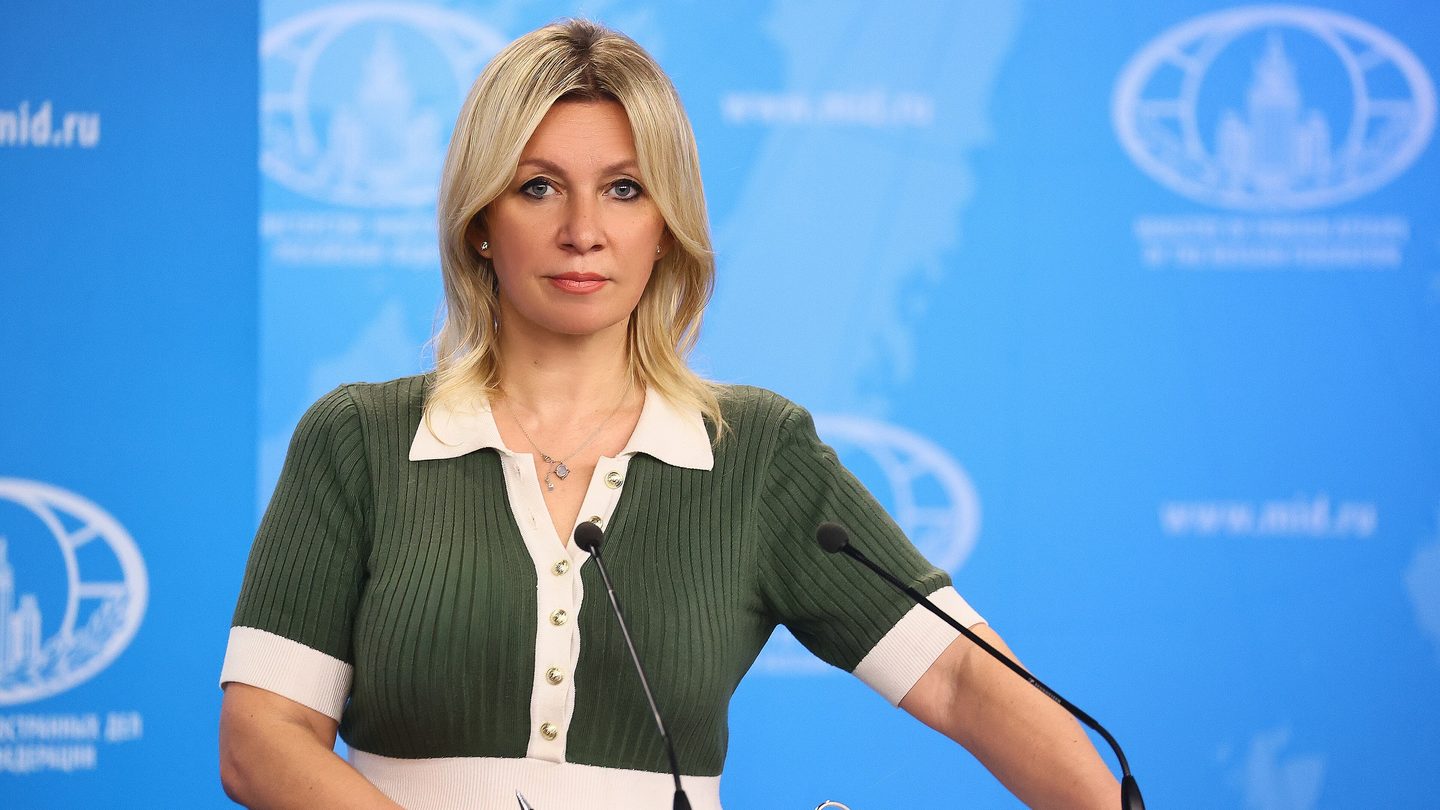
Zakharova calls European accusations of Russian involvement in protests 'self-exposure'; European leaders differ on foreign role in the unrest
Russian Foreign Ministry spokeswoman Maria Zakharova said European politicians blaming Russia for their internal problems showed "the level of madness". Italy's defence minister has spoken of a "hybrid war", while President Emmanuel Macron said there was no evidence of foreign interference in the events themselves.
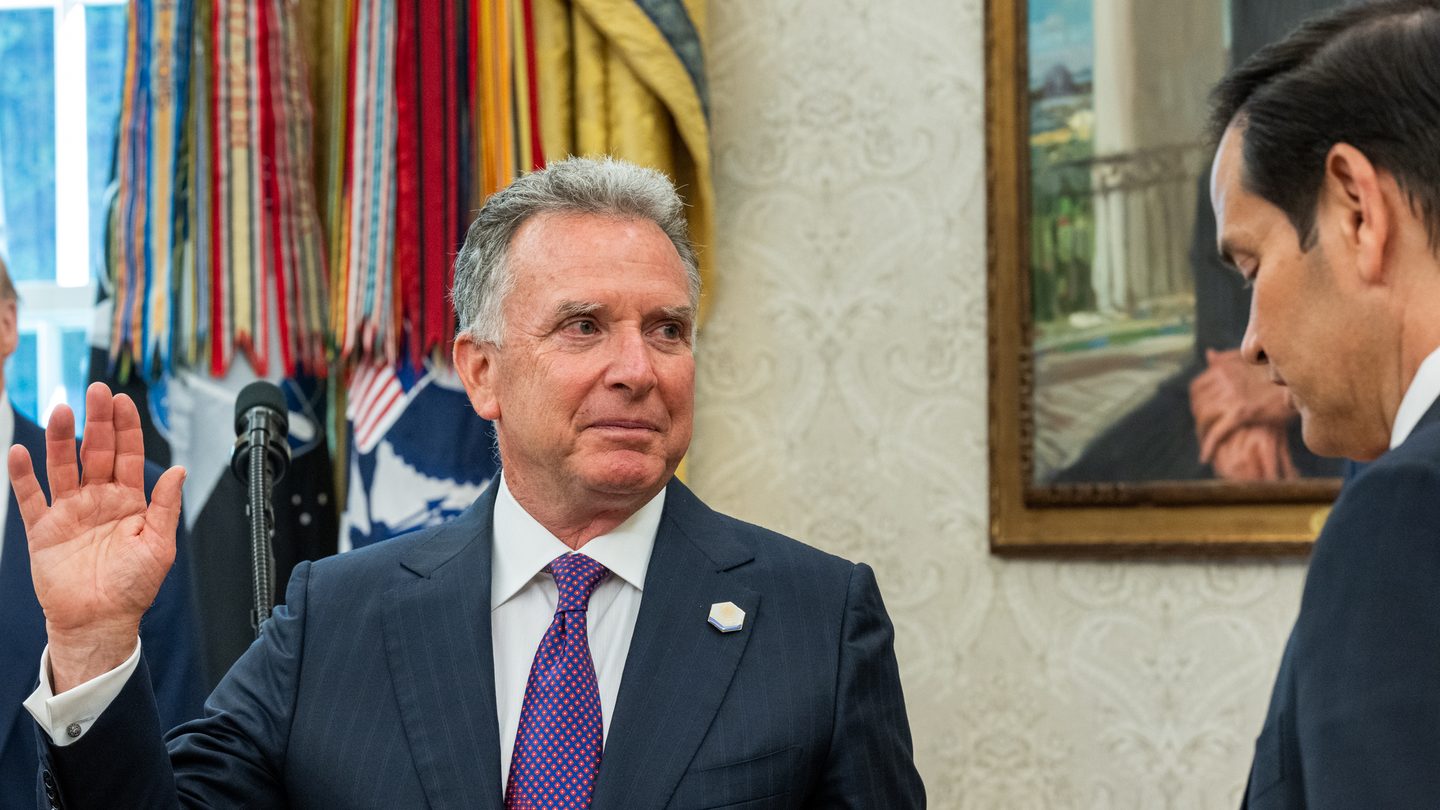
Bedtime rundown: the day's news, Tuesday 20 October 2026
Witkoff's Oslo talks, Zelensky's Patriot offer and Trump's comments on Ukraine, Hegseth's visit to Israel and Iran's response, France's first curfews and Italy's troop plan, and the day's sport, in one place.
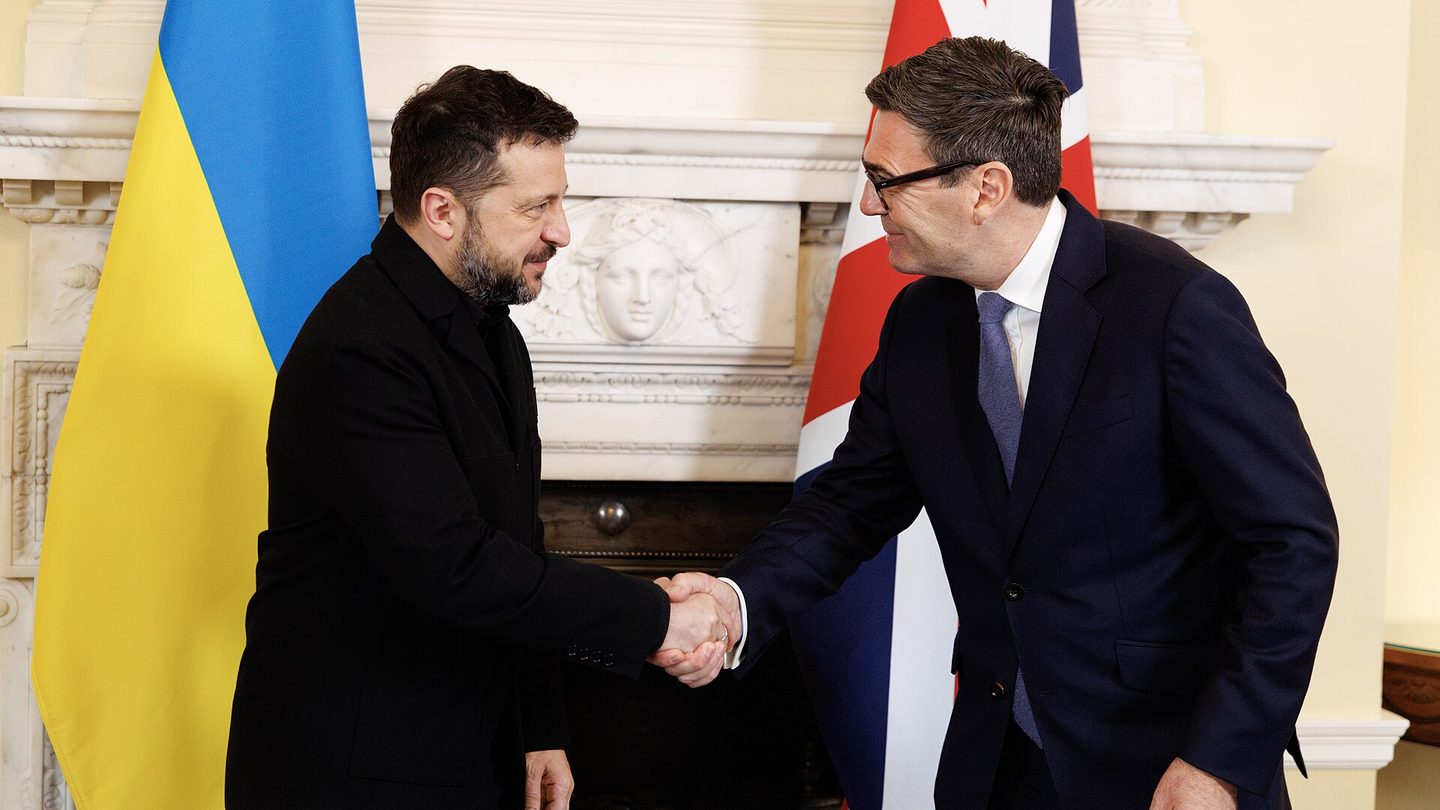
Zelensky tells Corriere della Sera US restrictions are "real" and "unfair", then holds "substantive" call with Rubio
Ukraine's president told the Italian daily that limits on US intelligence sharing and Starlink speeds had already been imposed, and said he was ready to meet Trump's negotiators. He later said he had discussed missile interceptors, attack warnings and Starlink with Secretary of State Marco Rubio.
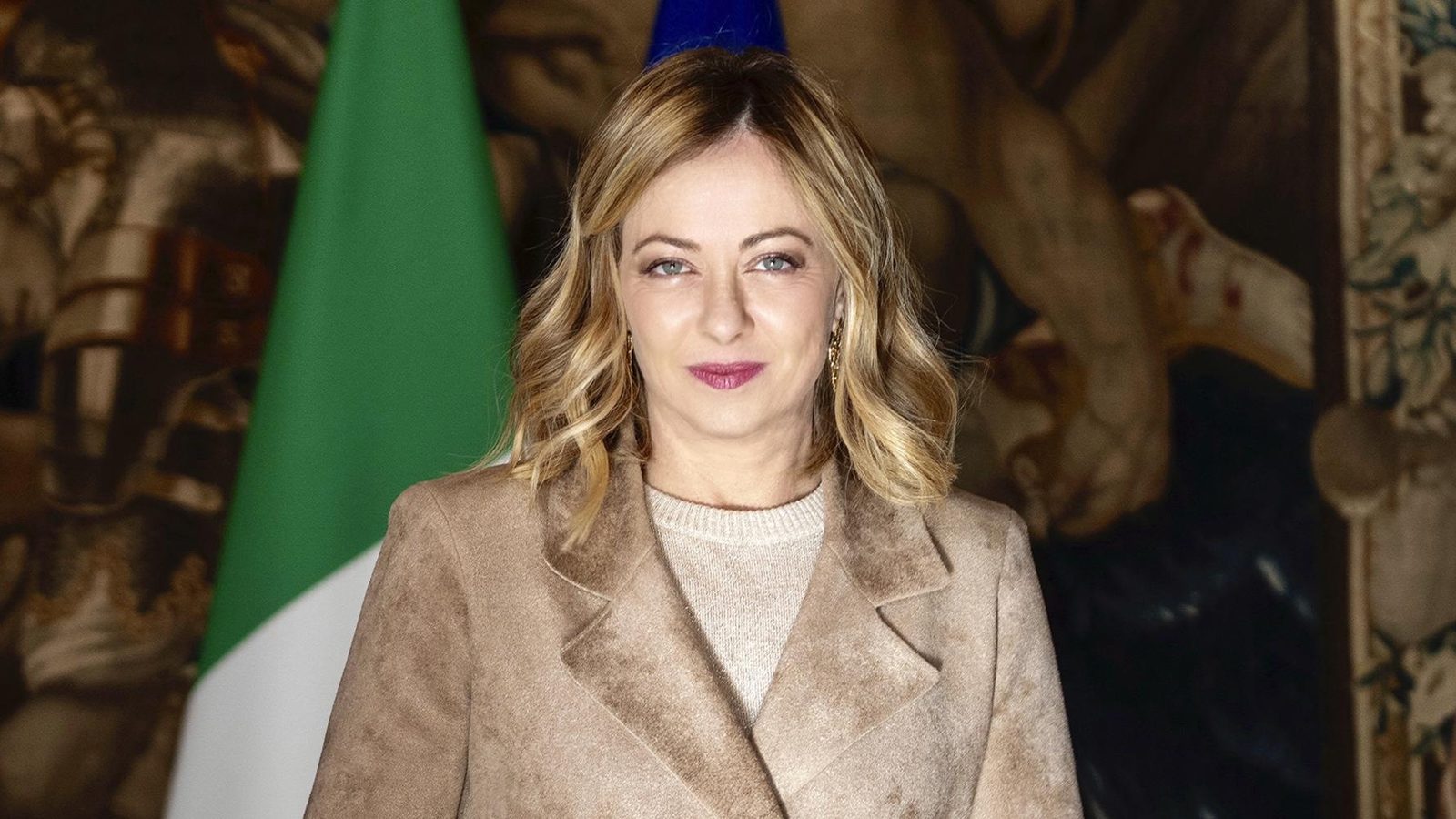
Italy's Meloni holds security meeting after two days of rioting and looting in Milan
More than 200 people were detained in Milan after cost-of-living protests turned violent over the weekend, about 80% of them minors, ANSA reported. Prime Minister Giorgia Meloni convened security chiefs on Monday to consider new measures.
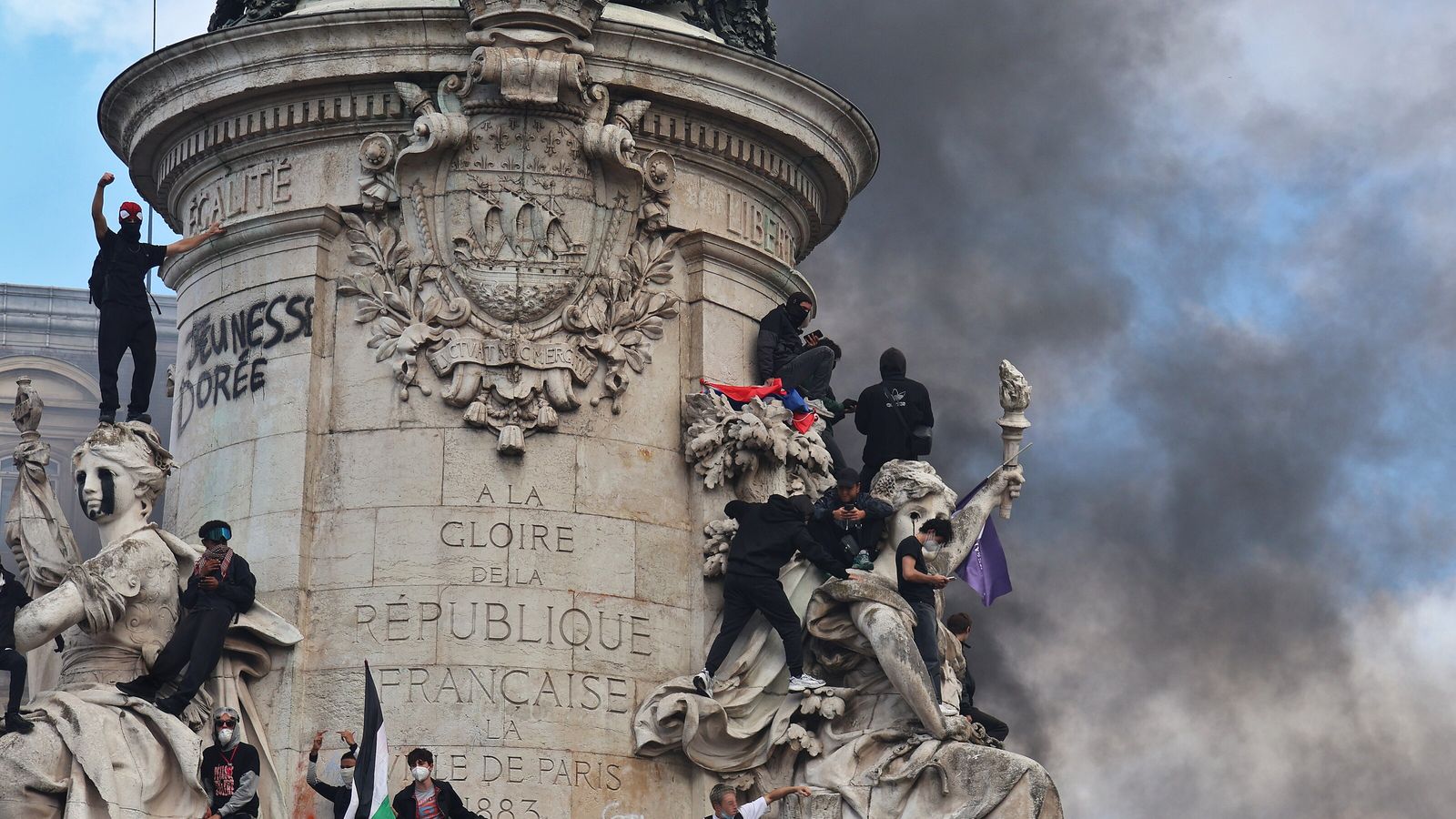
France protests latest: 108 more arrests in Paris as looting continues; Macron leaves for the Gulf
Paris police reported 108 arrests on Sunday and more shops looted, including the BHV Marais department store. Prime Minister Sébastien Lecornu chairs a crisis meeting on Monday as President Emmanuel Macron begins a three-day Gulf tour.
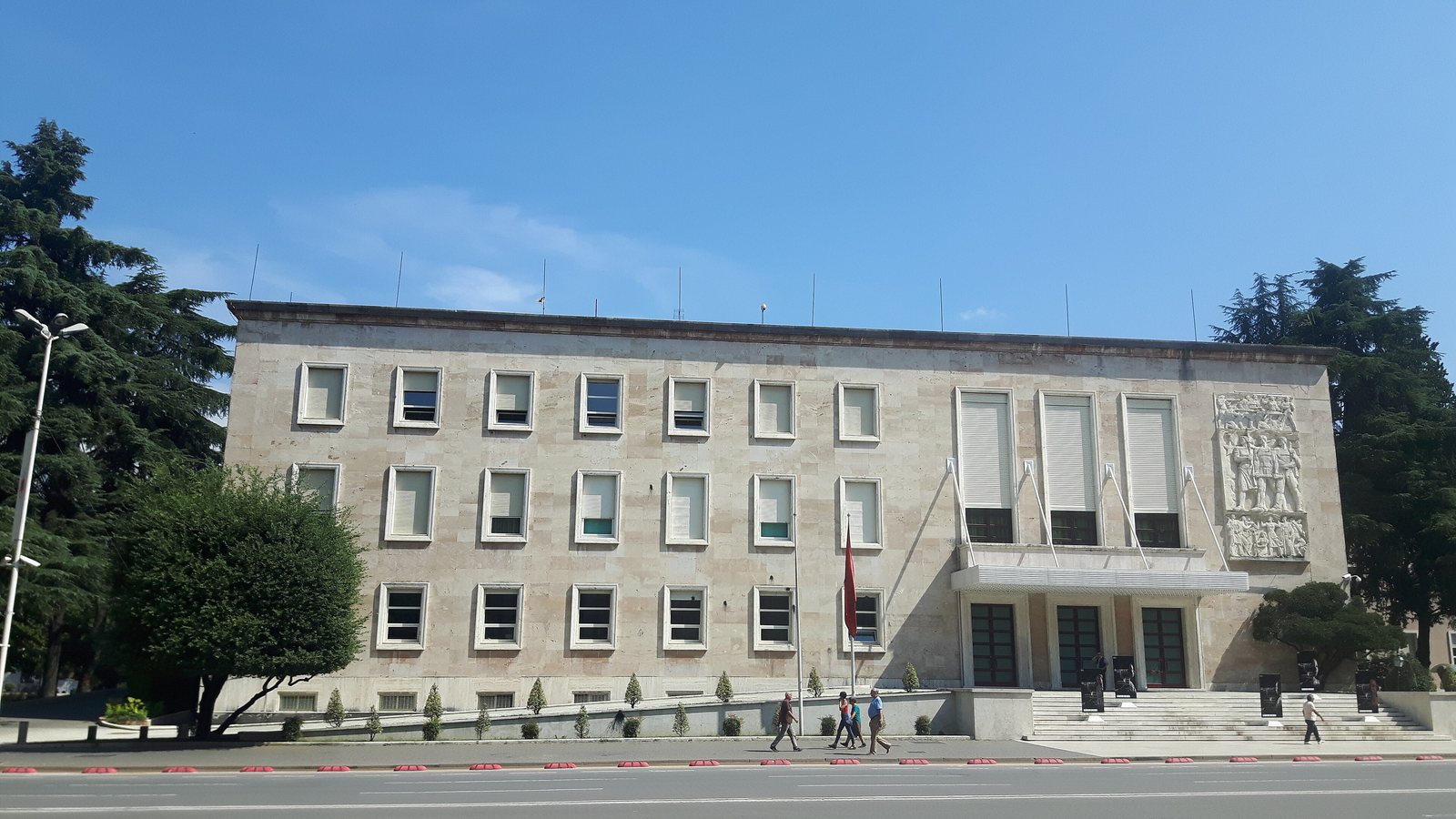
European Commission condemns violence at Albania protests; police report 167 arrests
The Commission said violence 'has no place in a democratic society' and the response must stay lawful and proportionate. Albanian police say 132 officers have been hurt in five days of protests.