Google quantum chip result revives debate over risk to older bitcoin wallets
Google says its Willow chip cut errors in a key quantum computing step about 40-fold. Crypto researchers disagree on what that means for when bitcoin's cryptography could be at risk.
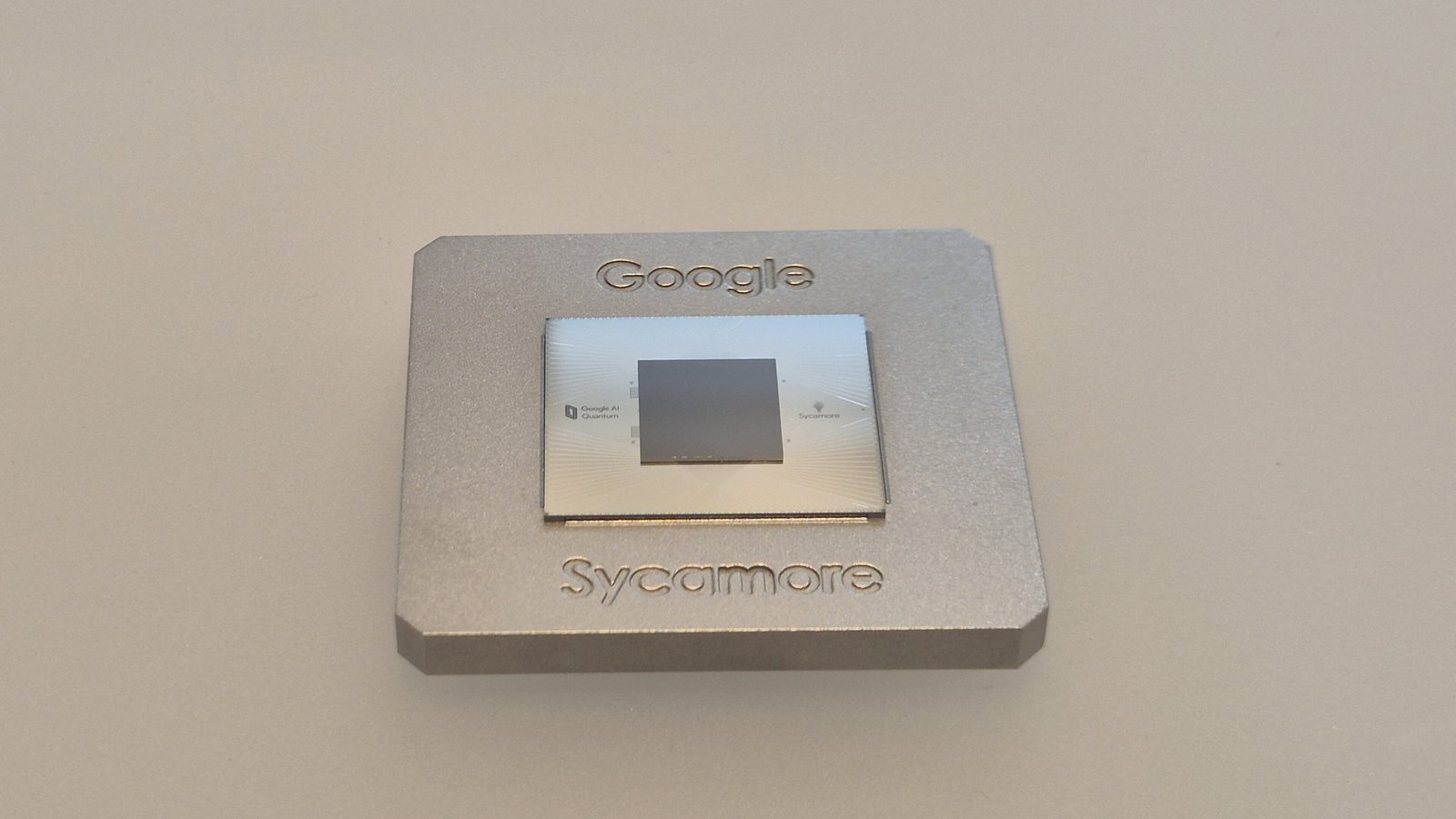
New research from Google has renewed debate in the crypto industry over how soon quantum computers could threaten the cryptography that protects bitcoin wallets, CoinDesk reported on Friday.
In a paper published in the journal Science, Google researchers said its Willow chip produced about 40 times fewer errors when preparing so-called “magic states”, a step needed for large-scale quantum computing, using a technique called magic state cultivation. States that passed the chip’s checks reached about 99.99% fidelity, though only about 8% of attempts were kept, according to CoinDesk.
CoinDesk noted the result does not make an attack on bitcoin 40 times cheaper. In March, Google estimated that fewer than 500,000 physical qubits could break the cryptography used in bitcoin and ether wallets, under certain assumptions.
Investor Nic Carter told CoinDesk that AI was speeding up progress but there was no immediate threat. Alex Pruden of Project Eleven, a firm focused on quantum security, said the result does not necessarily bring the day of a working attack closer, but supports existing estimates.
CoinDesk said early, Satoshi-era coins are seen as the most exposed. On 7 October, 100.02 BTC that had been dormant since July 2010 was moved, CoinDesk reported, adding that the transfer is not proof of quantum-related fears.
Sources
Related coverage
All crypto →
Google DeepMind researchers resign over company's military AI contracts, BBC reports
London-based research engineer Sofia Liguori and AI researcher Andreas Kirsch told the BBC they left over Google's work with the US and Israeli militaries. Google said its public-sector contracts follow a consistent review process.
OpenAI to offer its models and Codex on Google Cloud
Google Cloud customers will be able to buy OpenAI frontier models through Model Garden and the Google Cloud Marketplace, the companies said. OpenAI said Microsoft remains its primary cloud partner.

Grayscale lets eligible investors swap crypto tokens directly for shares in 10 of its funds
Grayscale expanded in-kind subscriptions to 10 crypto exchange-traded funds and trusts, including bitcoin, ether, Solana and XRP products, with minimums of about US$80,300 to US$364,800.

Google Cloud power problem in London disrupts UK banks, courts video platform and delivery firms
Google said a "power event" in one zone of its London cloud region caused an outage on Tuesday that affected services including Revolut, Lloyds, HSBC and the courts' video platform. Google said most workloads had recovered by the afternoon UK time.

Qubic halts its network and Cysic suspends its bridge after weekend exploits
Qubic said 1,404 wallets were drained of about 2.94 trillion QU tokens. Cysic said 10 million CYS tokens were minted without authorisation through its bridge.

Crypto hacks cost $1.18 billion in third quarter, security firm Hacken says
Hacken counted 107 incidents from July to September, with losses up 55% from the previous quarter. It said most of the money was lost through suppliers, unapplied fixes or systems outside audits.