Fed, ECB, Bank of Japan, Bank of Canada and RBNZ all announce rate decisions this week
Five central banks are scheduled to announce interest rate decisions between 28 and 30 October, starting with the US Federal Reserve on Wednesday. CME FedWatch data showed traders pricing a 92% chance that the Fed holds rates.
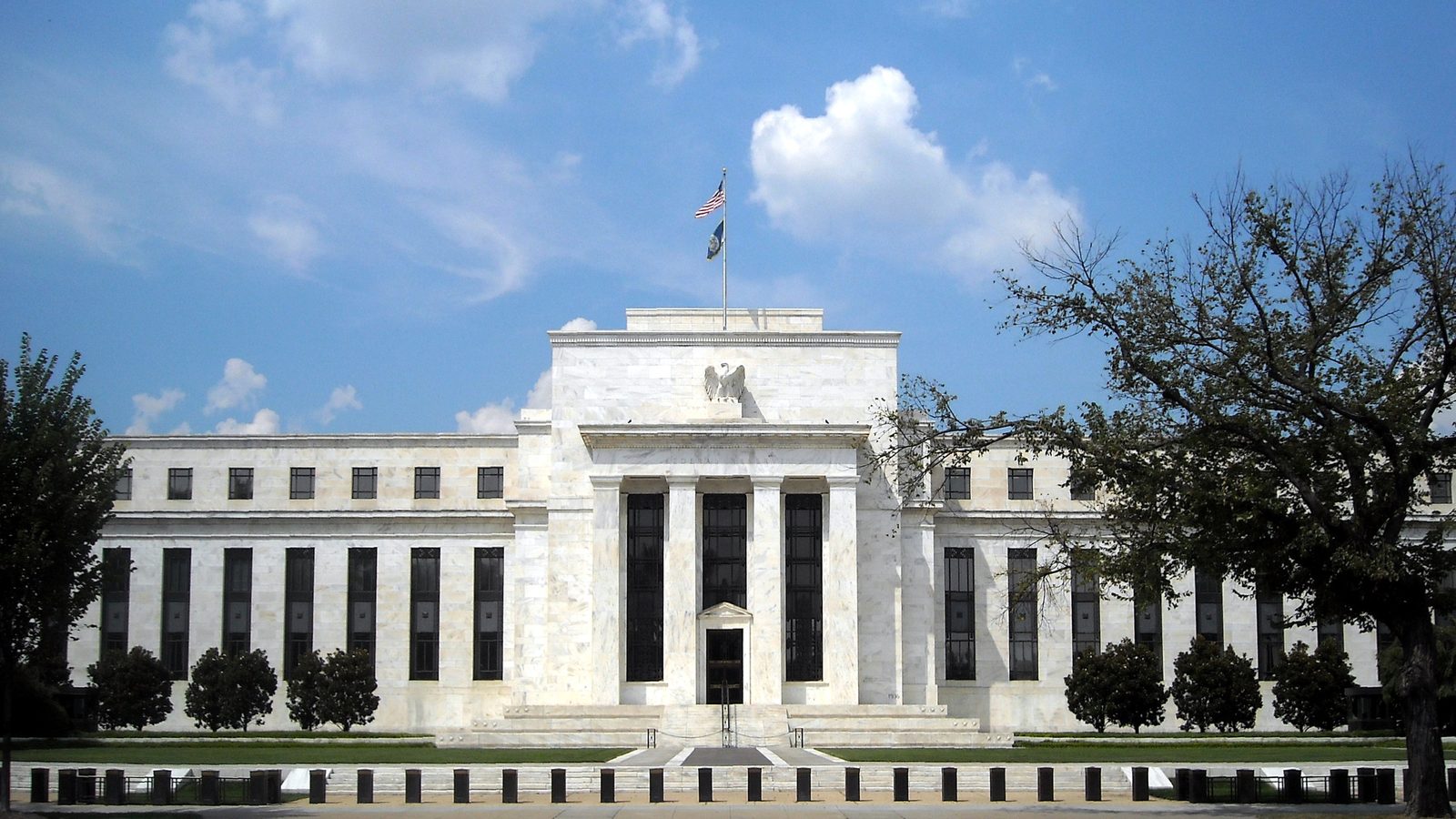
Five central banks are due to announce interest rate decisions this week, according to the Federal Reserve’s calendar and market research service Newsquawk.
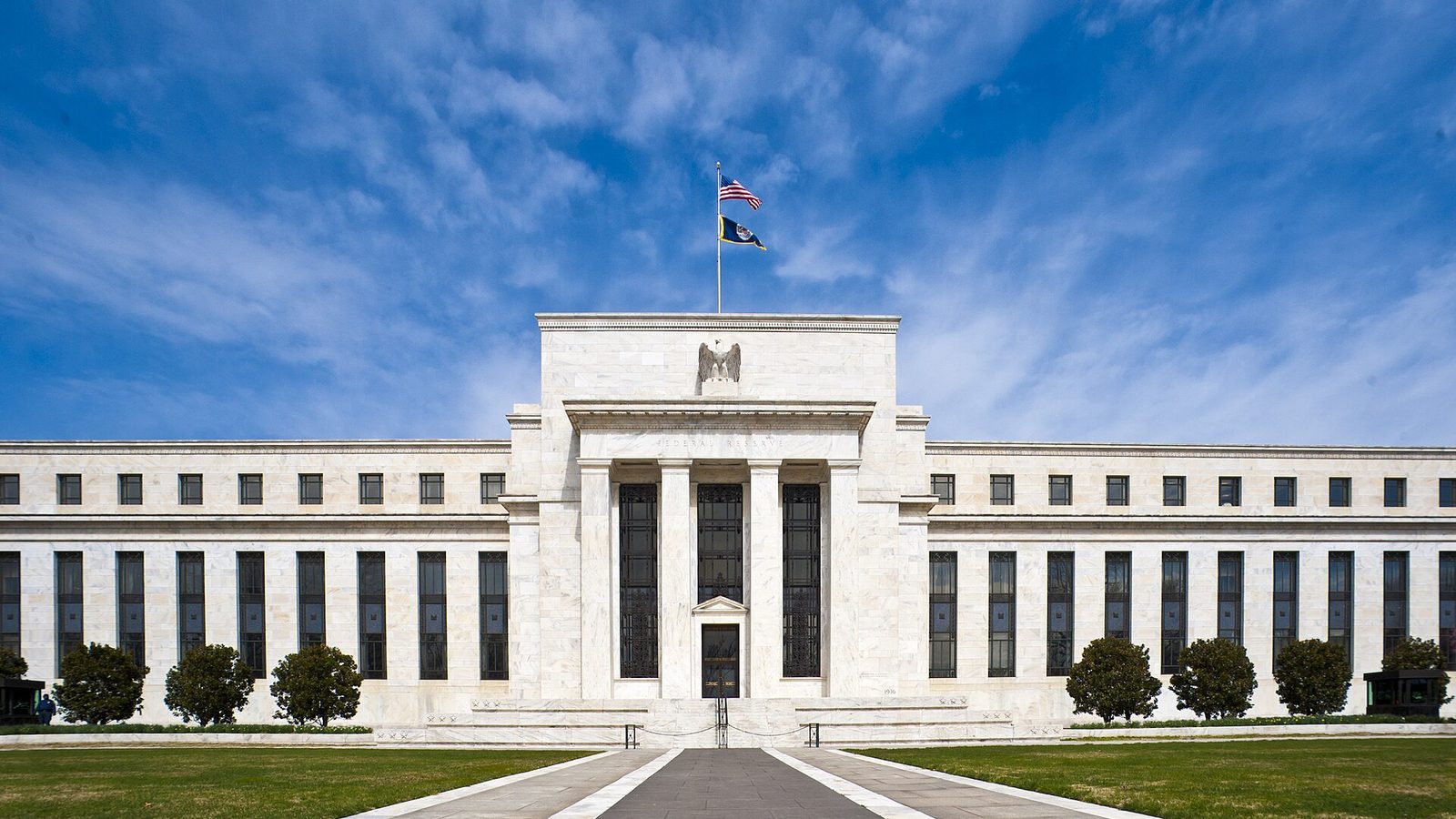
US Federal Reserve (Wednesday 28 October). The Federal Open Market Committee meets on 27 and 28 October, with its decision due at 2pm New York time (6pm GMT) on Wednesday. The Fed’s target range is 3.75% to 4.00% after a 25-basis-point increase in September. Traders saw a 92% chance that rates stay unchanged and a 78% chance of a rise in December, according to CME’s FedWatch tool, CNBC reported on Friday. Newsquawk said 94 of 100 economists in a Reuters poll expected a hold.
Bank of Canada and Reserve Bank of New Zealand (Wednesday 28 October). Markets were pricing about an 80% chance of a 25-basis-point rise in Canada, where the policy rate is 2.25%, Newsquawk said. In New Zealand, where the official cash rate is 2.75%, markets priced a roughly 75% to 80% chance of a rise to 3.00%; ANZ, BNZ and ASB expect an increase, while Westpac expects a hold, according to Newsquawk.
European Central Bank (Thursday 29 October). Newsquawk said the ECB was not expected to raise rates, and that questions about the recent rise in French bond yields were likely to feature at the press conference.
Bank of Japan (Friday 30 October). The BoJ is expected to keep its policy rate at 1.25% after a rise in September and to publish an updated Outlook Report, Newsquawk said. Japan’s core consumer prices rose 2.1% in September from a year earlier.
Other scheduled releases include Australian consumer price figures on Wednesday and US third-quarter GDP and September PCE inflation data on Thursday. The UK government presents its Autumn Budget on Wednesday.
See also: Japan’s core inflation rises to 2.1%.
Sources
Related coverage
All business and finance →
Japan's core inflation rises to 2.1% in September, its highest this year
Japan's core consumer prices rose 2.1% in September from a year earlier, up from 1.7% in August, while a measure that also excludes energy rose 2.4%, government data showed.
RBA deputy governor Hauser says inflation outlook is 'materially worse'; market pricing for November rate rise passes 50%
Reserve Bank of Australia Deputy Governor Andrew Hauser said oil prices, AI-related costs and capacity pressures had worsened the inflation outlook, less than two weeks before the bank's next decision.
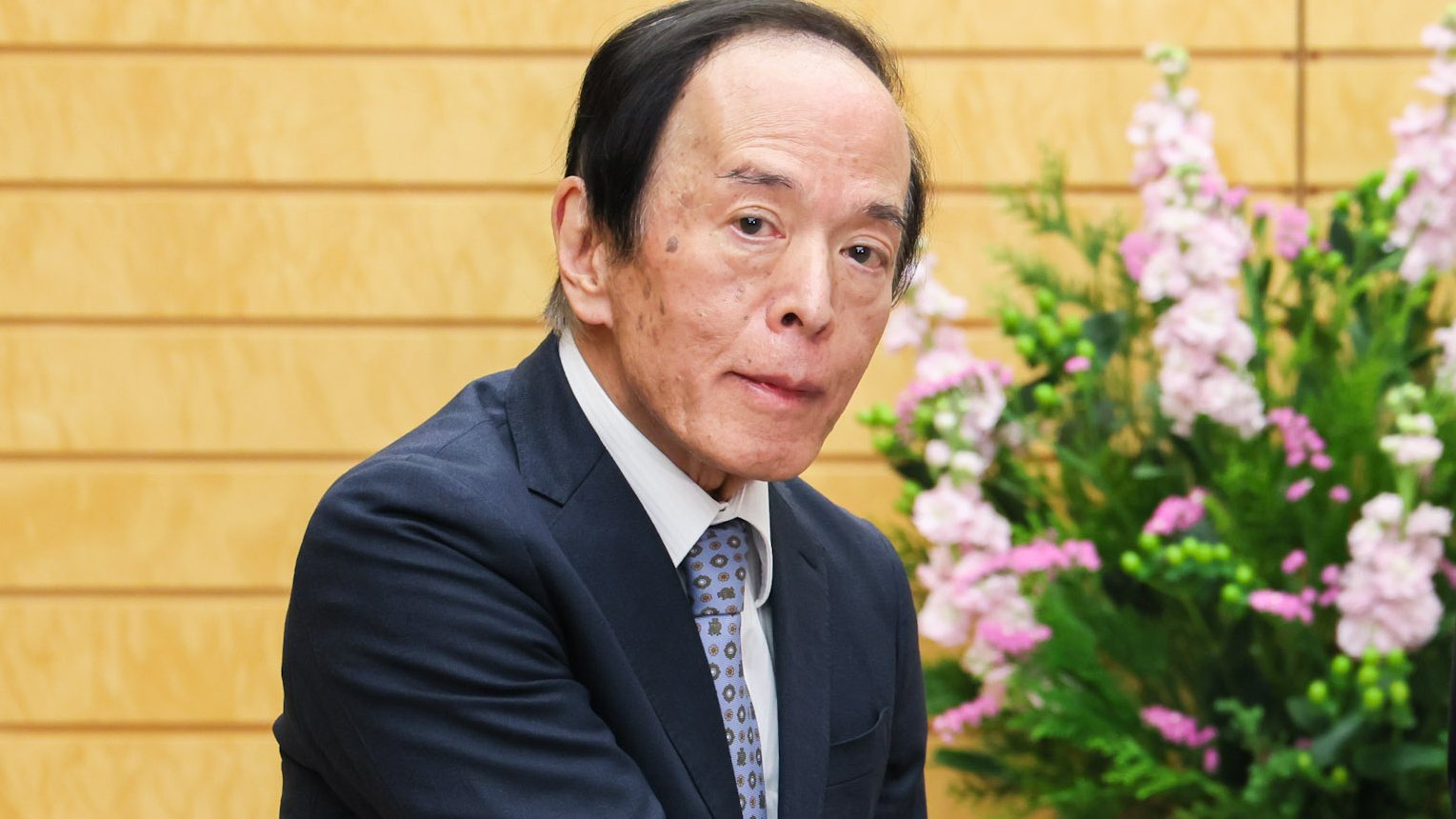
BOJ's Ueda says bank won't tolerate inflation rising above 2%; IMF says faster hikes may be needed
The Bank of Japan governor said the bank would keep raising rates. The IMF's Asia director said the BOJ may have to tighten faster if inflation beats forecasts. The BOJ next meets on 29-30 October.
Central bankers in Bangkok say AI investment boom is pushing up borrowing costs
Officials at the IMF and World Bank meetings said heavy spending on AI is adding to demand and inflation before any productivity gains arrive, Reuters reported.

Gold falls 0.7% for the week as oil gains outweigh weaker dollar
Spot gold settled at $US4,165.40 an ounce on Friday, Investing.com reported, as traders reduced bets on a US rate rise this month.
Fed chair Warsh says he won't prejudge rate decisions, citing price stability
The Federal Reserve meets later in October. Most officials expect another rate rise this year, according to minutes of its last meeting.