Central bankers in Bangkok say AI investment boom is pushing up borrowing costs
Officials at the IMF and World Bank meetings said heavy spending on AI is adding to demand and inflation before any productivity gains arrive, Reuters reported.
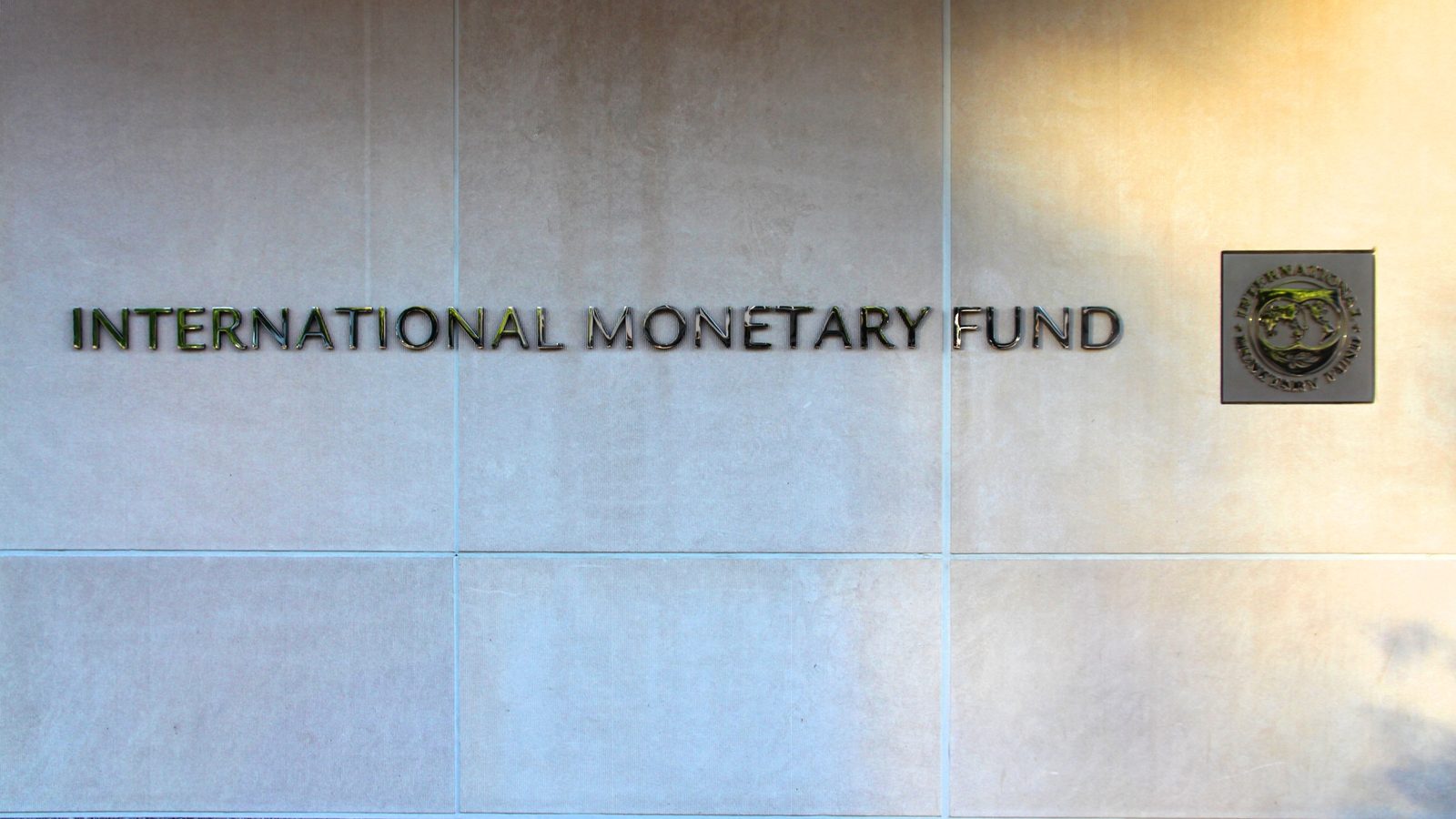
Central bankers from major economies said at the IMF and World Bank annual meetings in Bangkok that heavy investment in artificial intelligence is adding to demand for capital and could keep interest rates higher, Reuters reported on Friday 16 October.
Officials said the spending on chips, data centres, power grids and telecoms networks is creating inflation pressure and financial risks because it is arriving before the productivity gains AI promises, Reuters said.
“If you’re a central banker…you’ve got to recognise this as a shock,” US Federal Reserve Chair Kevin Warsh said. “It’s obviously hitting the demand side of the economy before it’s going to hit the supply side.”
“There is a global fight for money,” ECB policymaker Martins Kazaks told Reuters. “Investment in AI is one of the key factors driving up the cost of money.”
South African Reserve Bank Governor Lesetja Kganyago said the neutral interest rate, the level that neither speeds up nor slows down an economy, is harder to estimate. “We know that R-star is higher, but we do not know how high,” he said. Bank of England Chief Economist Huw Pill said: “Maybe rates, on average, will be that little bit higher.”
Reuters said heavy government borrowing for defence, industrial policy and energy is adding to the pressure, and that sovereign bond yields in some countries have reached levels last seen before the global financial crisis. ECB President Christine Lagarde said France’s situation had to be solved “at home in France” through fiscal policy.
Economists expect the Bank of England to raise rates at its next meeting on 5 November, Reuters reported. The Fed and ECB raised rates in September.
Sources
- Central bankers eye higher rates as AI boom fuels scramble for cash · Reuters (via Investing.com)
Related coverage
All business and finance →
Bank Indonesia holds main rate at 5.75%, raises deposit facility rate and cuts bank reserve requirements
Indonesia's central bank kept its BI-Rate unchanged for a fourth straight meeting, lifted its deposit facility rate to 5.00% and announced a two-step cut in banks' reserve requirements.
RBA deputy governor Hauser says inflation outlook is 'materially worse'; market pricing for November rate rise passes 50%
Reserve Bank of Australia Deputy Governor Andrew Hauser said oil prices, AI-related costs and capacity pressures had worsened the inflation outlook, less than two weeks before the bank's next decision.
RBA's Kent says neutral rates appear to be rising, questions whether policy is restrictive enough
Reserve Bank Assistant Governor Christopher Kent said there was reasonable indication neutral interest rates are rising in Australia and globally, and that the market reaction to last week's weak jobs data made sense.
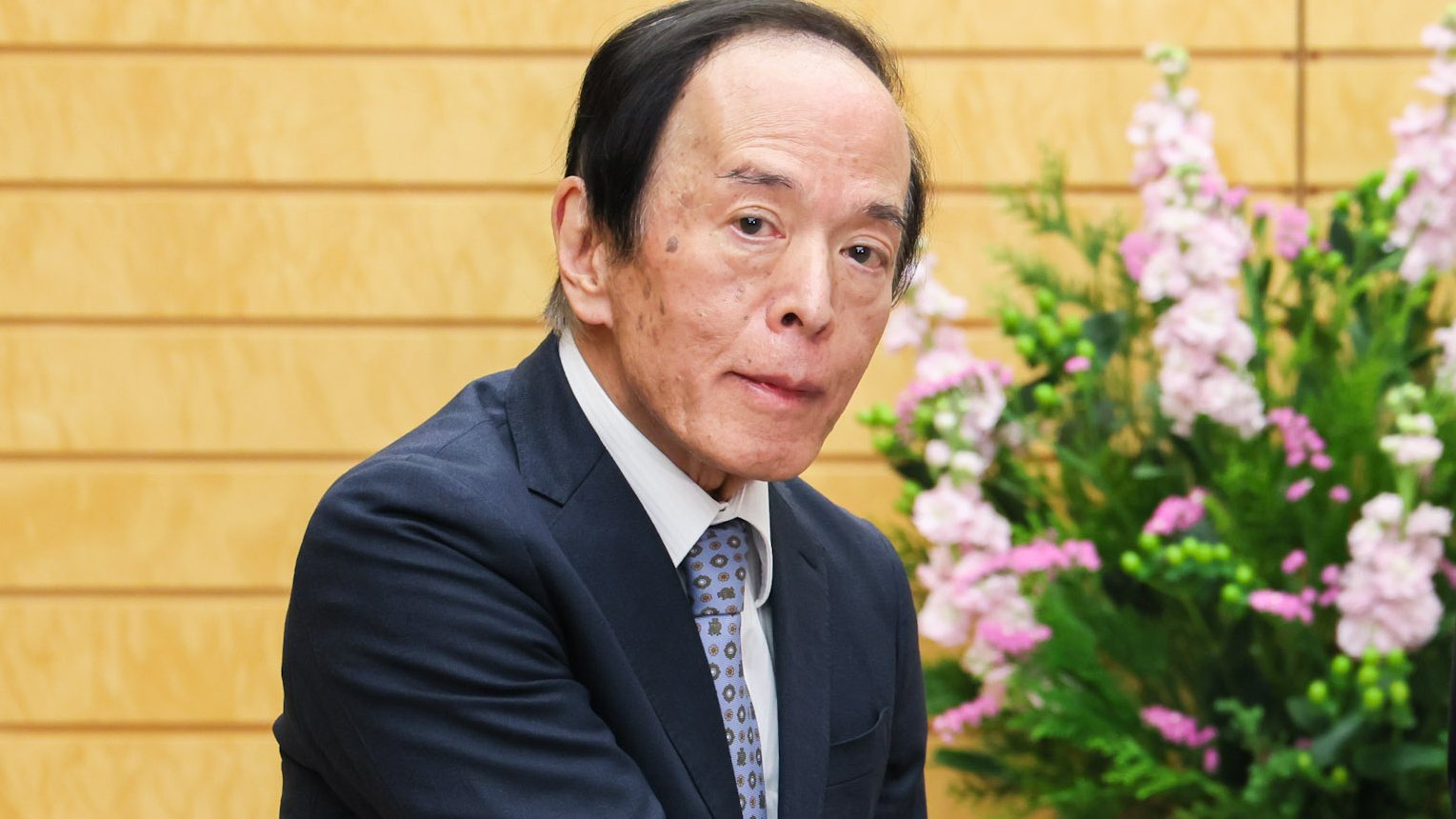
BOJ's Ueda says bank won't tolerate inflation rising above 2%; IMF says faster hikes may be needed
The Bank of Japan governor said the bank would keep raising rates. The IMF's Asia director said the BOJ may have to tighten faster if inflation beats forecasts. The BOJ next meets on 29-30 October.
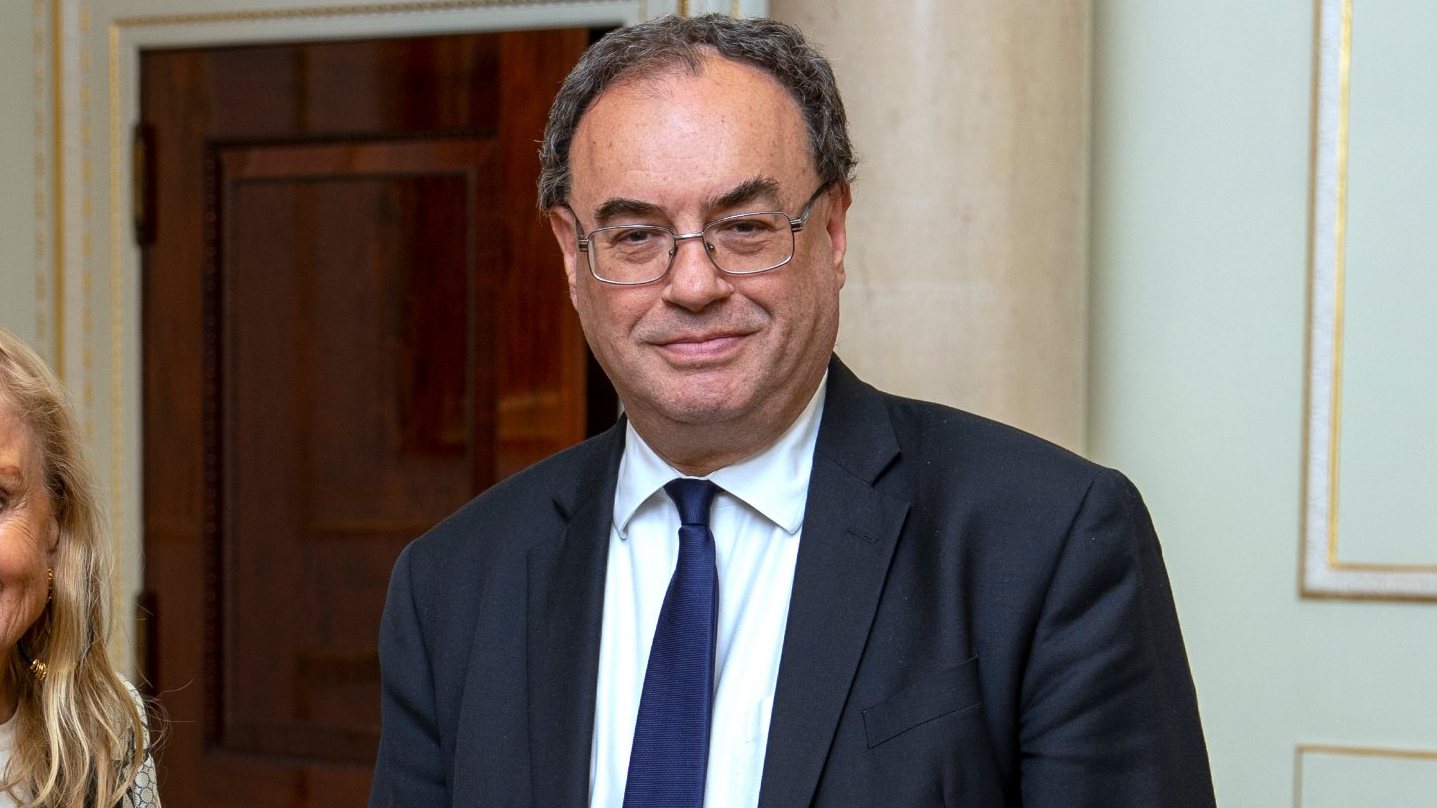
Bank of England's Bailey says wider effects of energy price rise look 'quite subdued' so far
Governor Andrew Bailey said it was too early for firm conclusions. Most economists polled by Reuters expect the BoE to start raising rates next month.

Lagarde says tighter financing will slow euro zone growth; September inflation confirmed at 3.8%
Eurostat confirmed on Friday that euro area inflation rose to 3.8% in September, driven by an 18.9% annual rise in energy prices.