EU trade ministers back talks with Beijing and weigh plastics safeguards to curb €1 billion-a-day China deficit
Meeting in Dublin on Friday, European Union trade ministers backed continued negotiations with Beijing alongside potential trade-defence measures in plastics, chemicals and machinery after this month's quota deal on Chinese hybrid cars. Trade Commissioner Maroš Šefčovič said the plastics sector is closest to a formal safeguard investigation.
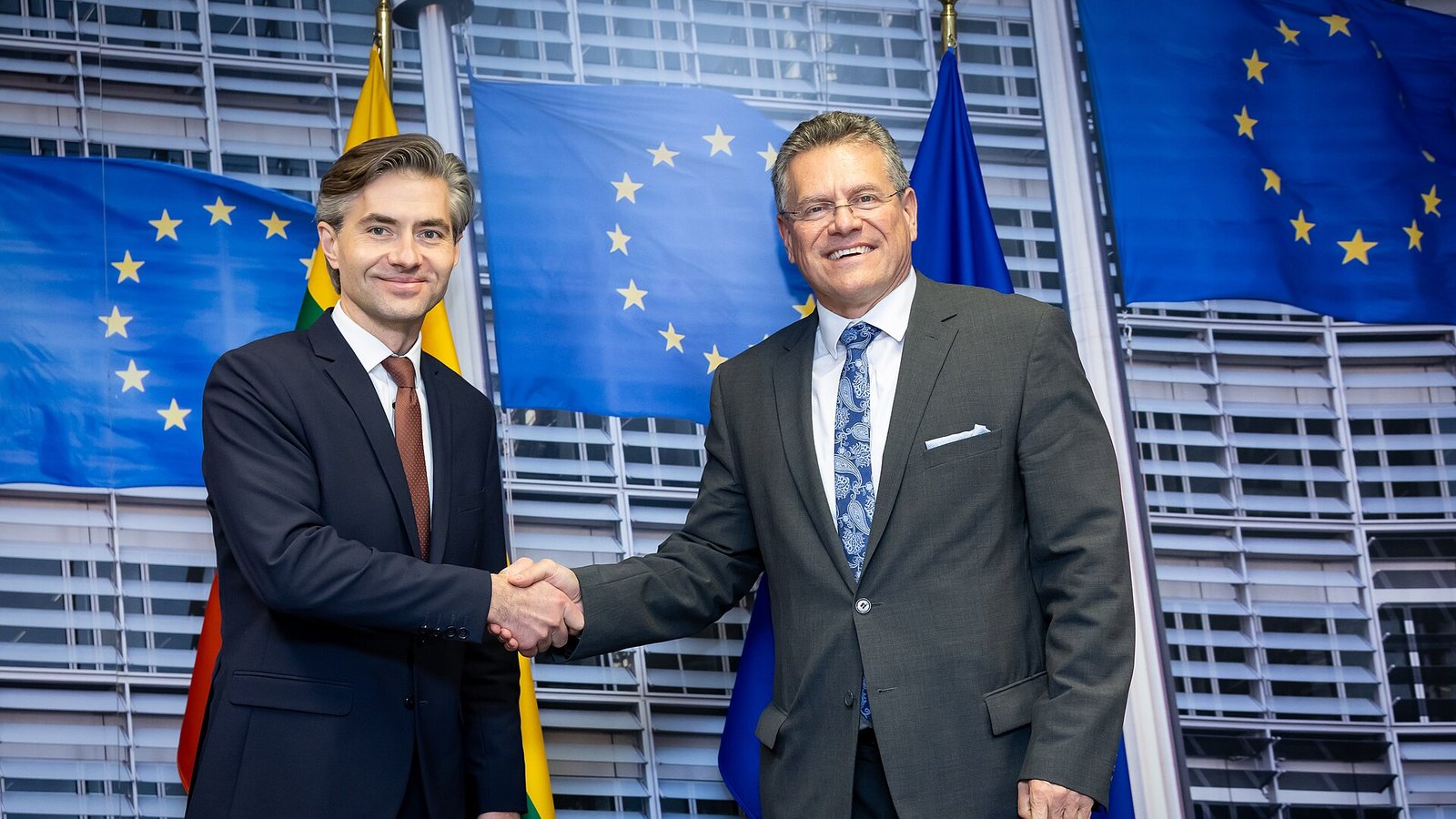
European Union trade ministers agreed at a meeting in Dublin on Friday 23 October that Brussels should pursue sector-by-sector negotiations with Beijing while preparing trade-defence measures to narrow a bilateral goods trade deficit that has passed €1 billion ($1.12 billion) a day, Reuters and Euronews reported.
EU Trade Commissioner Maroš Šefčovič told a news conference after the meeting of the bloc’s 27 trade ministers that an investigation into safeguard measures for the plastics industry was closest to being opened next. “Currently, I think the plastics sector is the closest,” Šefčovič said, according to Reuters. “We are looking into whether all the requirements to launch an investigation are in place.” Trade lawyers told Reuters earlier this month that a petition had been filed seeking curbs on imports of polyethylene terephthalate (PET), a plastic widely used in packaging.
“There are whole sectors under threat; each head of state and government is concerned that there might be potential heavy losses of the jobs,” Šefčovič said on Friday, Euronews reported. “We have to proceed not only with the traditional trade techniques, but also with a very political approach, how to balance the trade between China and the European Union.”
Push to expand beyond October hybrid-car quota deal
Friday’s talks in Dublin followed a 9 October agreement between Brussels and Beijing to cut Chinese hybrid-vehicle imports into the EU by more than half. Under that four-year arrangement, the EU will apply country-specific quotas allowing 350,000 Chinese hybrid cars onto the European market per year, with an annual adjustment rate of 6%, Euronews reported.
Irish Foreign and Trade Minister Helen McEntee, who hosted the Dublin meeting, told reporters that all 27 member states wanted the European Commission to build on the hybrid-car deal in other industries while retaining the option to use unilateral trade-defence instruments. “There’s a very clear desire for us to move beyond that and to look at other areas, chemicals, machinery. There’s a number of issues, agrifood sector, and areas that have been mentioned,” McEntee said, according to Reuters. Lithuanian Foreign Minister Kęstutis Budrys said on Friday that pharmaceuticals could also be included, while French junior trade minister Nicolas Forissier said negotiations with Beijing were possible because the bloc was acting together.
Technical talks between EU and Chinese officials are scheduled to run until the end of 2026, ahead of political-level negotiations planned for January and March 2027, Euronews reported. At the same time, EU leaders gave the Commission a political mandate last week to draft a market-access “kill switch” backed by France and Germany that would allow Brussels to restrict access to the EU single market in cases of severe economic distortion, along with a separate proposal to encourage European companies to diversify suppliers of strategic goods, ahead of the December EU summit. Euronews noted that unilateral EU measures on Chinese chemicals and machinery could prompt retaliatory steps from Beijing.
Record trade gap and Beijing’s stated position
According to Chinese customs figures cited by Euronews, China’s exports to the EU have risen 25% over the past year. The EU’s goods trade deficit with China exceeded €370 billion ($414.25 billion) in 2025 and is projected to pass €400 billion in 2026—a gap European Commission President Ursula von der Leyen has called “unsustainable” and that European industry groups refer to as “China Shock 2.0”, citing factory closures and planned job cuts including 100,000 roles at Volkswagen, Reuters reported.
China’s government has previously rejected claims that state subsidies and overcapacity are to blame for Europe’s industrial difficulties, stating that China is not the root cause of the EU’s economic problems but a partner in solving them, Reuters reported.
See also: European Parliament adopts its position on the 2027 EU budget, seeking €1.17 billion more than the Commission proposed and Volvo Cars shares fall 24% after third-quarter loss; carmaker to cut 2,500 jobs.
Sources
- EU vows to fix 'China Shock 2.0' via talks with Beijing · Reuters (via Euronext)
- EU trade Chief seeks to rebalance EU-China trade as Brussels weighs tougher measures · Euronews
Related coverage
All world news →
Central Bank of Ireland fines Coinbase Ireland €3.25 million over safeguarding failures
Ireland's central bank said Coinbase Ireland breached rules on safeguarding customer funds and outsourcing between November 2020 and August 2025, and reprimanded and fined the company €3,252,618 under a settlement.
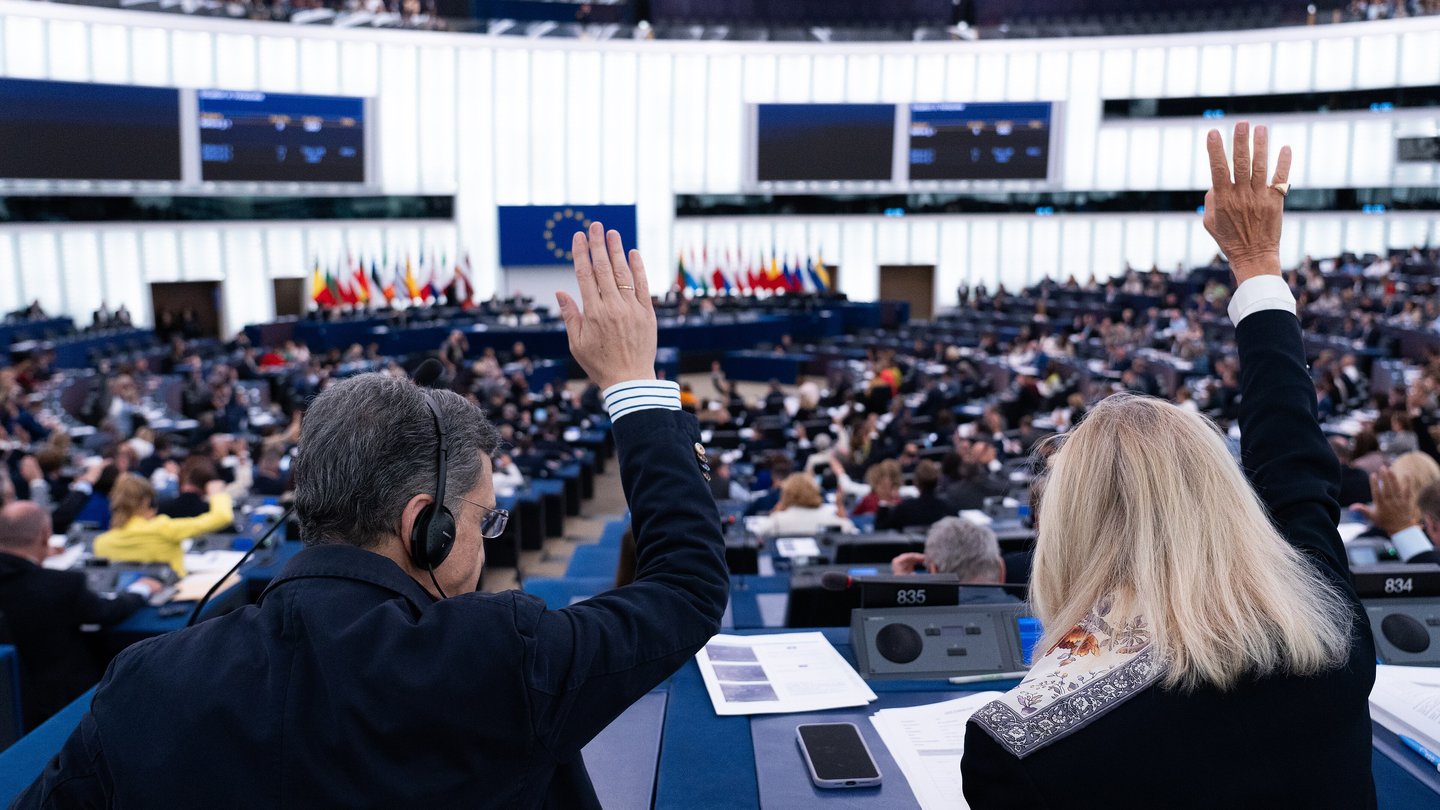
European Parliament adopts its position on the 2027 EU budget, seeking €1.17 billion more than the Commission proposed
MEPs voted 400 to 189, with 84 abstentions, for a negotiating position of about €194 billion in commitments and €203.3 billion in payments for 2027. Talks with member governments in the Council are due to start on 3 November, with a 16 November deadline.
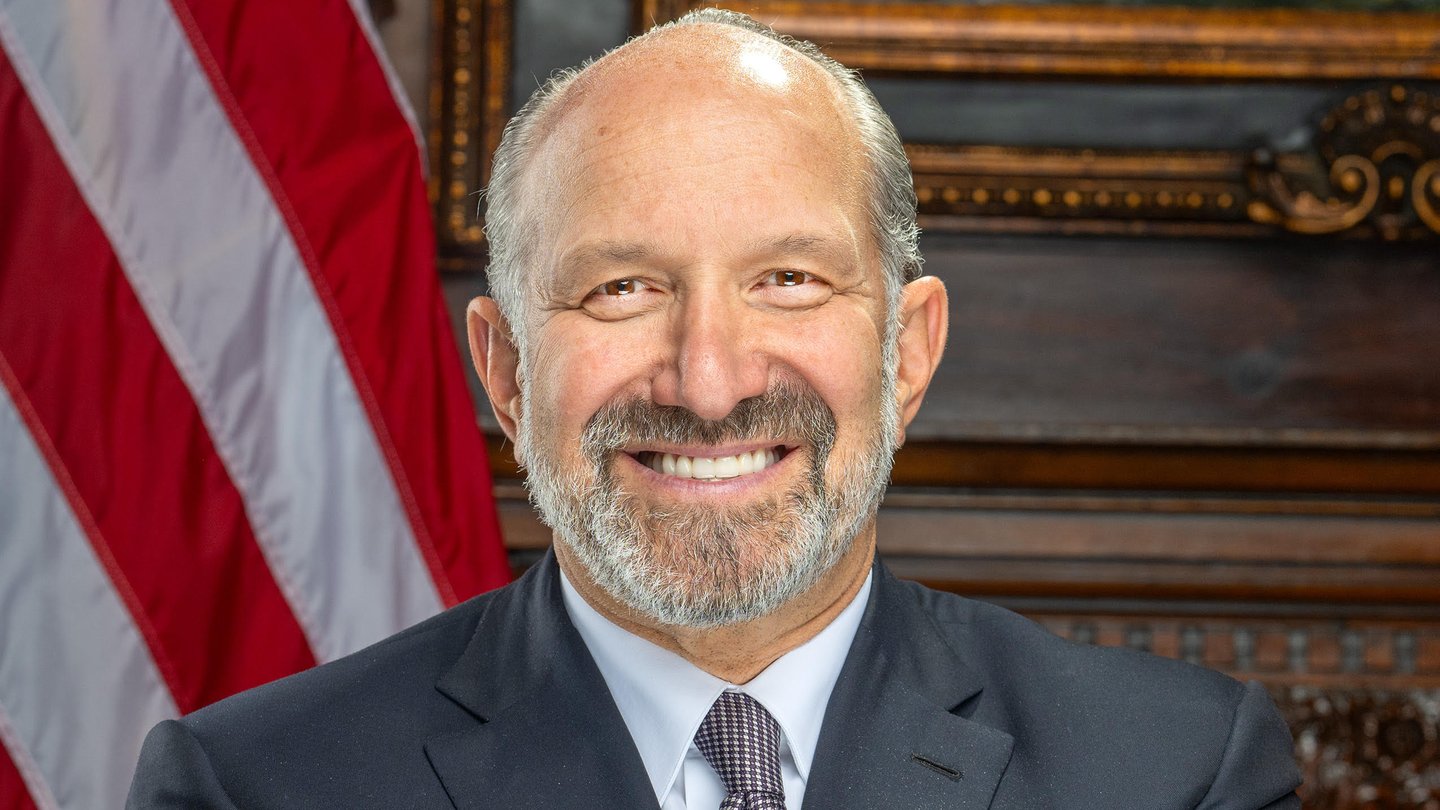
US–Mexico trade talks stall over steel and aluminium tariffs, Bloomberg reports
People familiar with the talks told Bloomberg a deal is now unlikely before the 3 November US midterm elections. Mexico's lead negotiator said he did not believe Commerce Secretary Howard Lutnick opposed tariff cuts.

Italy's Meloni holds security meeting after two days of rioting and looting in Milan
More than 200 people were detained in Milan after cost-of-living protests turned violent over the weekend, about 80% of them minors, ANSA reported. Prime Minister Giorgia Meloni convened security chiefs on Monday to consider new measures.
European Commission condemns violence at Albania protests; police report 167 arrests
The Commission said violence 'has no place in a democratic society' and the response must stay lawful and proportionate. Albanian police say 132 officers have been hurt in five days of protests.
EU leaders pledge continued support for Ukraine and voice regret over US diesel decision
Brussels confirmed a funding gap of about €70bn for Ukraine in 2027. Leaders asked the European Commission to look at options.