Russia's Zakharova says the EU's 'starting position' matters more than who negotiates for it, and accuses Brussels of seeking to militarise the Arctic
Russian Foreign Ministry spokeswoman Maria Zakharova said on Wednesday that the identity of a European negotiator on Ukraine was not the key issue and that EU leaders were voicing demands 'detached from reality'. She also said the EU's new Arctic strategy aims at 'further militarization' of the region. The European Commission says its strategy is about security, climate and Arctic communities.
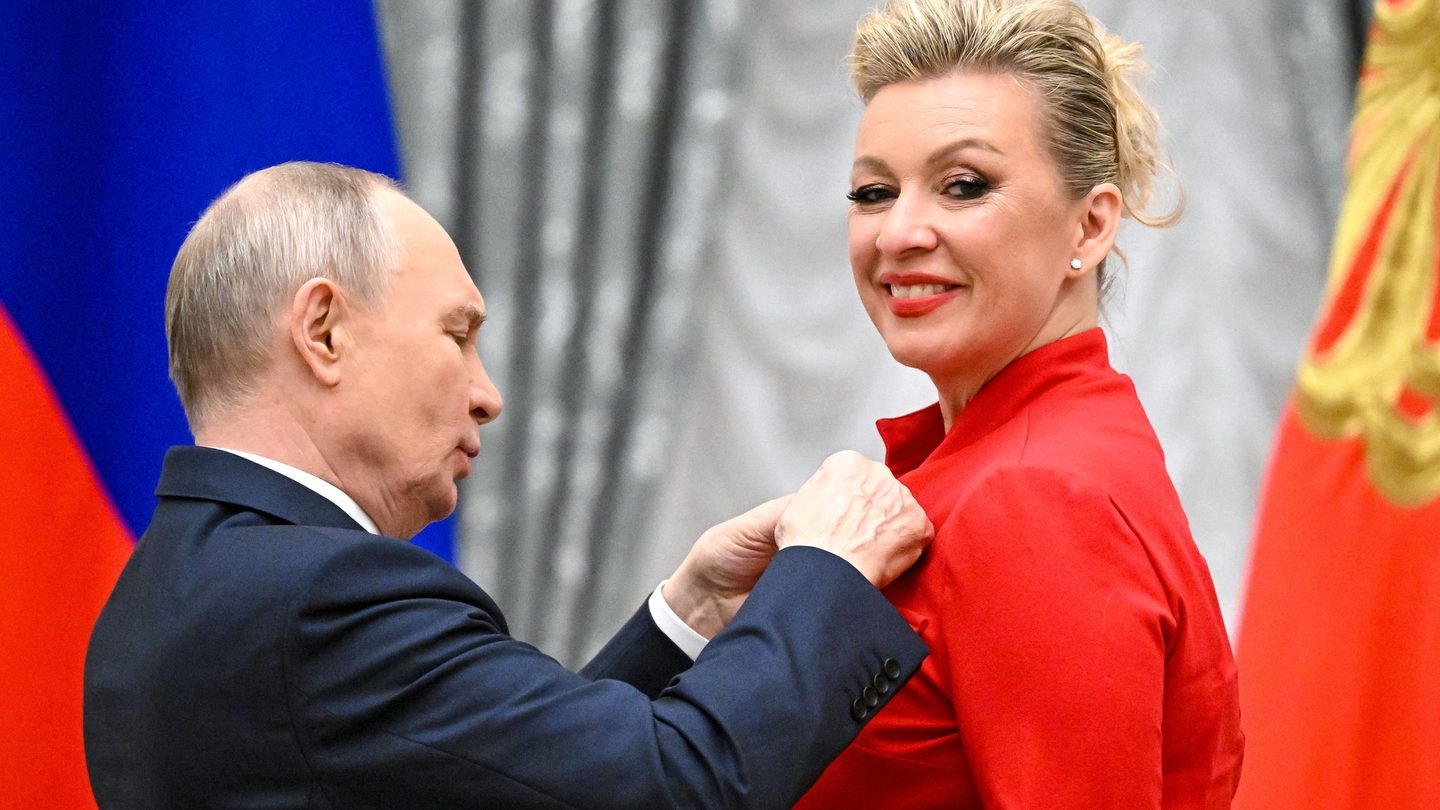
Russian Foreign Ministry spokeswoman Maria Zakharova said on Wednesday 28 October that it did not matter to Moscow who represents the European Union in talks on ending the war in Ukraine, and that what counted was the EU’s “starting position”, Lenta.ru reported from her weekly briefing.
“In our view, the question of specific personalities is probably not the key or dominant one in this case. The main thing is the content of the Europeans’ starting position,” Zakharova said. She said the leadership of all EU institutions was publicly voicing demands of Moscow that were “detached from reality”, and that Europe was showing no readiness for an honest discussion of Russia’s interests, according to Lenta.ru.
The EU’s planned delegation
The European Commission and the European Council are preparing a joint team of senior officials for the next round of talks, expected in Abu Dhabi in early November, Euronews reported. Björn Seibert, chief of cabinet to Commission President Ursula von der Leyen, is tipped to lead it; the appointment has not been officially announced. “We are adamantly committed not just to putting an end to the war but to achieve peace that will be just and sustainable,” a Commission spokesperson said, according to Euronews.
Arctic strategy
At the same briefing, Zakharova criticised the EU’s new Arctic strategy, published on 20 October. “The EU is aiming for the further militarization of the Arctic, while choosing to simply remain silent about the fact that this very process carries heightened risks of unintended escalation,” she said, Sputnik reported.
The European Commission says the strategy’s priorities are strengthening security and resilience in the Arctic, including a new maritime security hub and the ability to operate in Arctic conditions; responding to climate change; economic security through polar research; and support for Arctic communities. The Commission says the region is warming nearly four times faster than the global average and that more than half a million EU citizens live in the Arctic parts of Denmark, Finland and Sweden.
See also: Finland’s Stubb and Norway’s Støre hold call with Putin on ending the war.
Sources
Related coverage
All world news →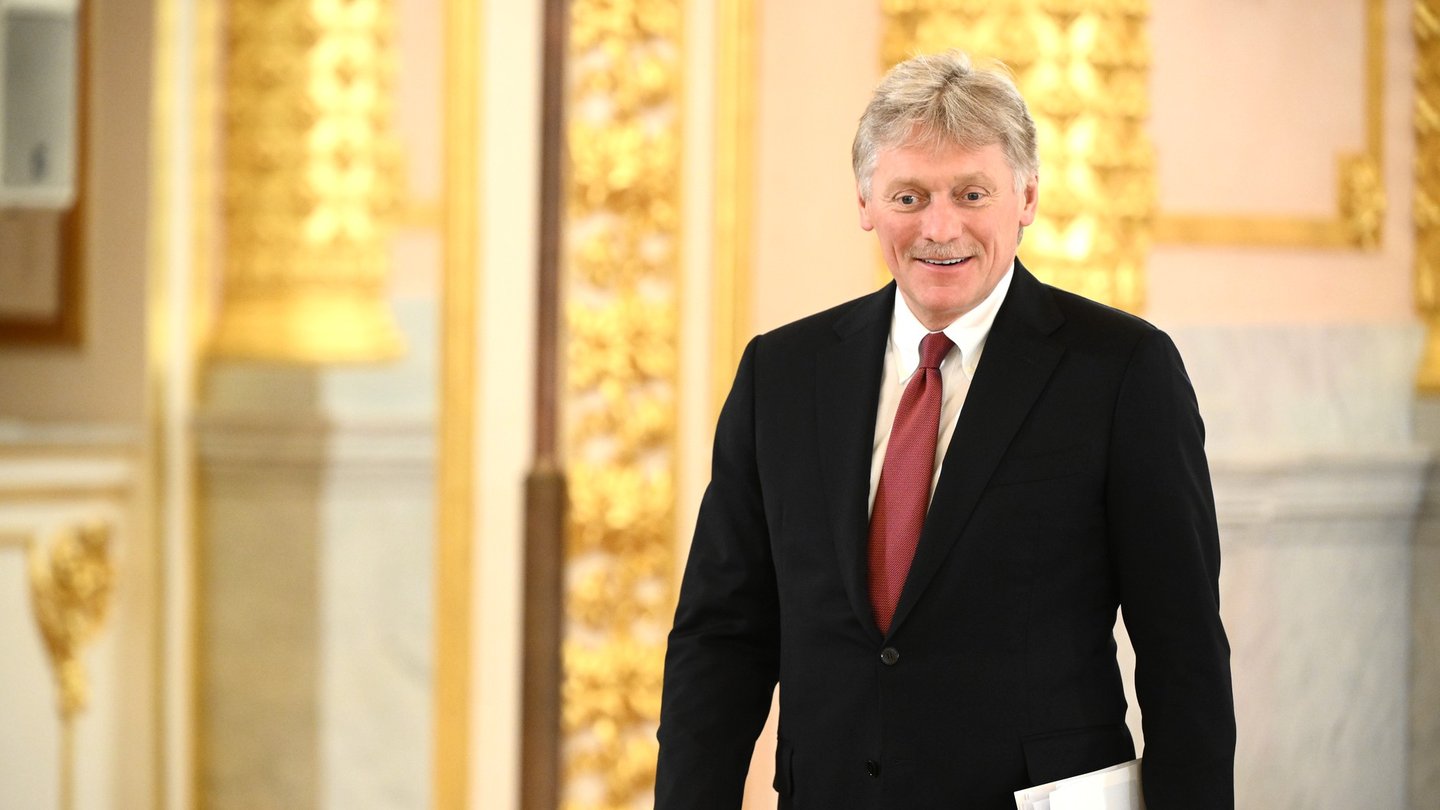
Kremlin says Abu Dhabi talks will start as Russia-US-Ukraine only and an EU envoy's role 'depends' on Europe's position, as five European leaders are reported as possible negotiators
Kremlin spokesman Dmitry Peskov said talks planned for the first half of November in Abu Dhabi will be trilateral. The Telegraph reported that Giorgia Meloni, Alexander Stubb, Petr Pavel, Mette Frederiksen and Jonas Gahr Støre are being considered to represent Europe. Peskov also said the first tanker of Russian diesel had sailed for US buyers.
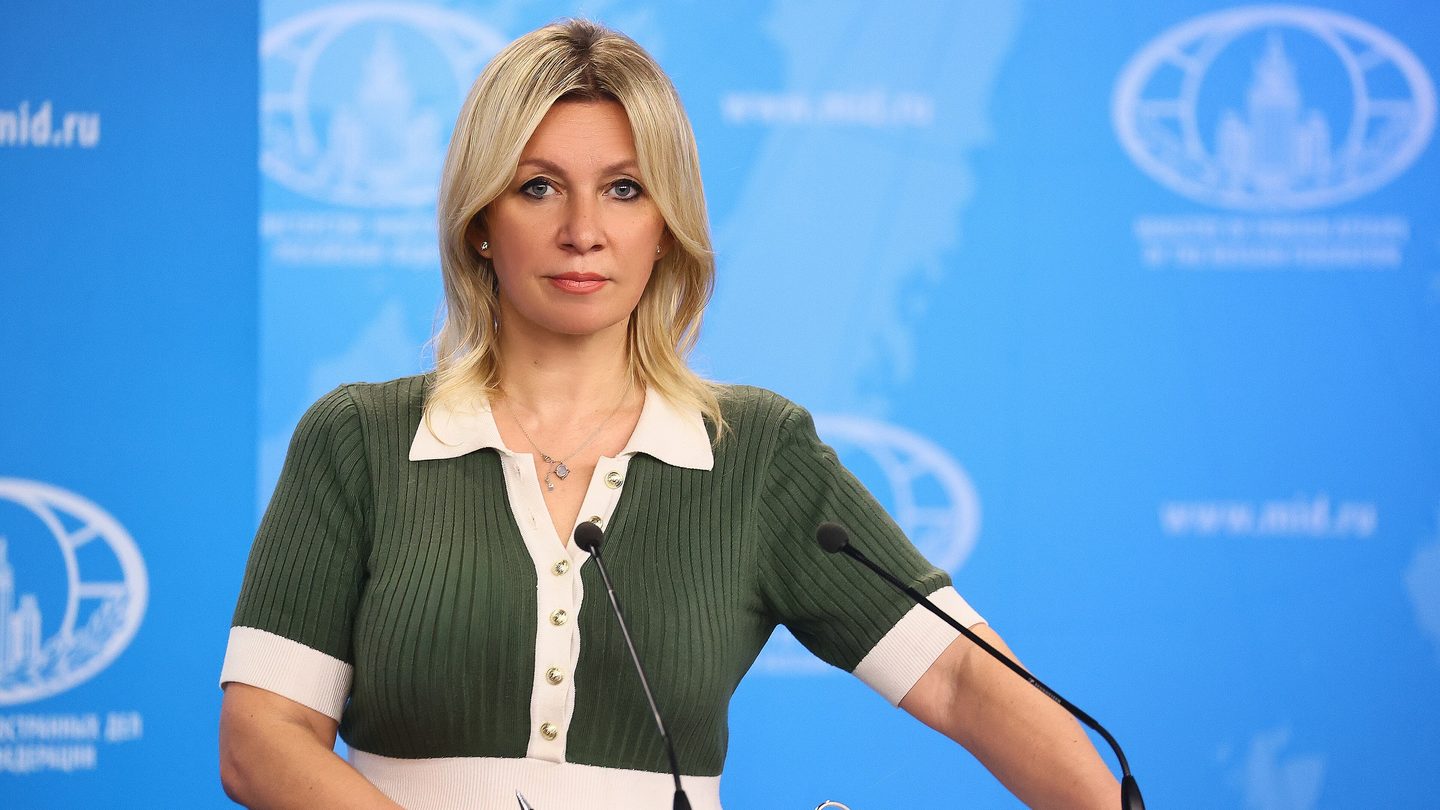
Zakharova calls European accusations of Russian involvement in protests 'self-exposure'; European leaders differ on foreign role in the unrest
Russian Foreign Ministry spokeswoman Maria Zakharova said European politicians blaming Russia for their internal problems showed "the level of madness". Italy's defence minister has spoken of a "hybrid war", while President Emmanuel Macron said there was no evidence of foreign interference in the events themselves.
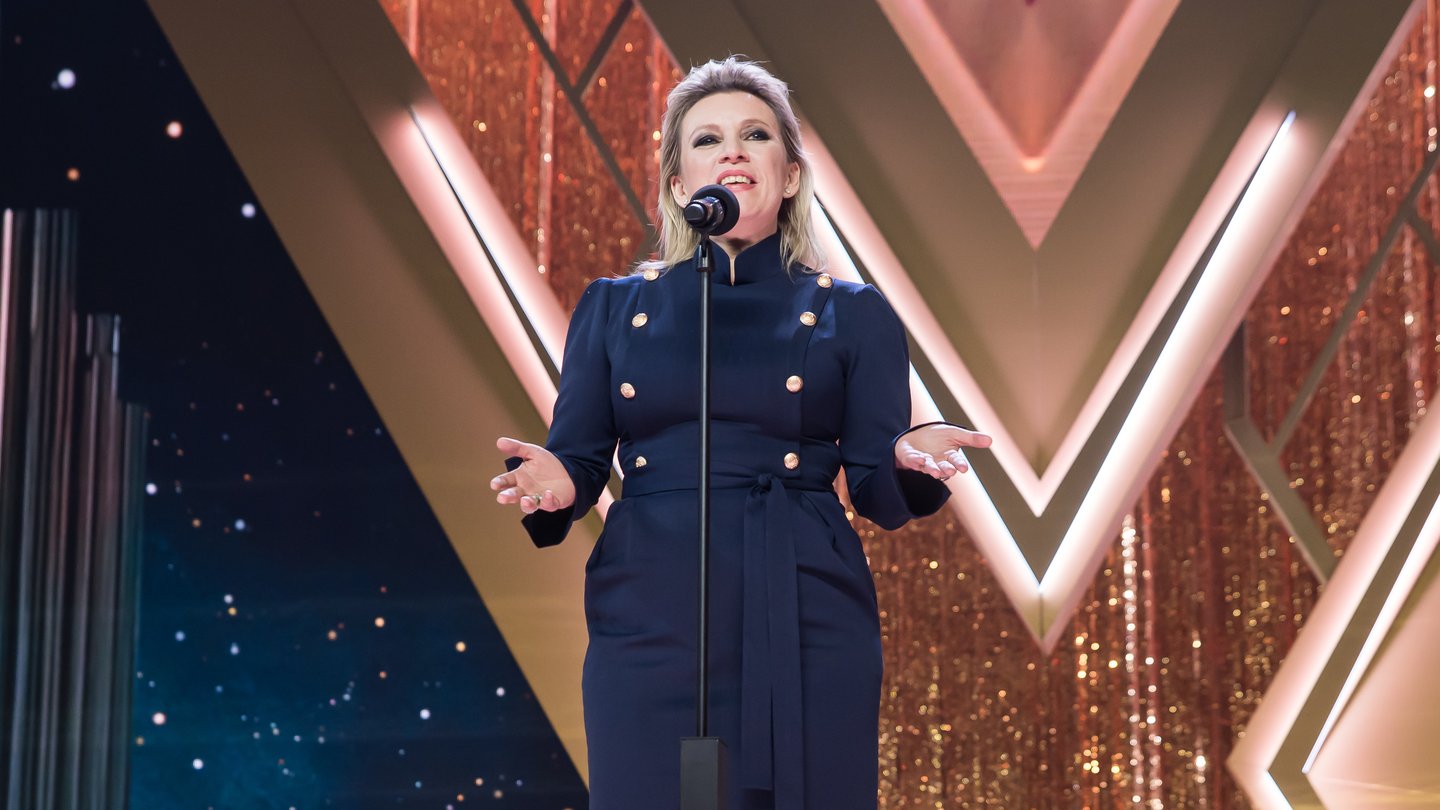
Zakharova mocks EU plan for new Russian oil sanctions with 'cactus' jibe after Kallas outlines 22nd package
Russian Foreign Ministry spokeswoman Maria Zakharova likened the EU to mice that "kept gnawing on the cactus" after EU foreign policy chief Kaja Kallas told the European Parliament the 22nd sanctions package would target Russia's shadow fleet, energy and banking sectors.
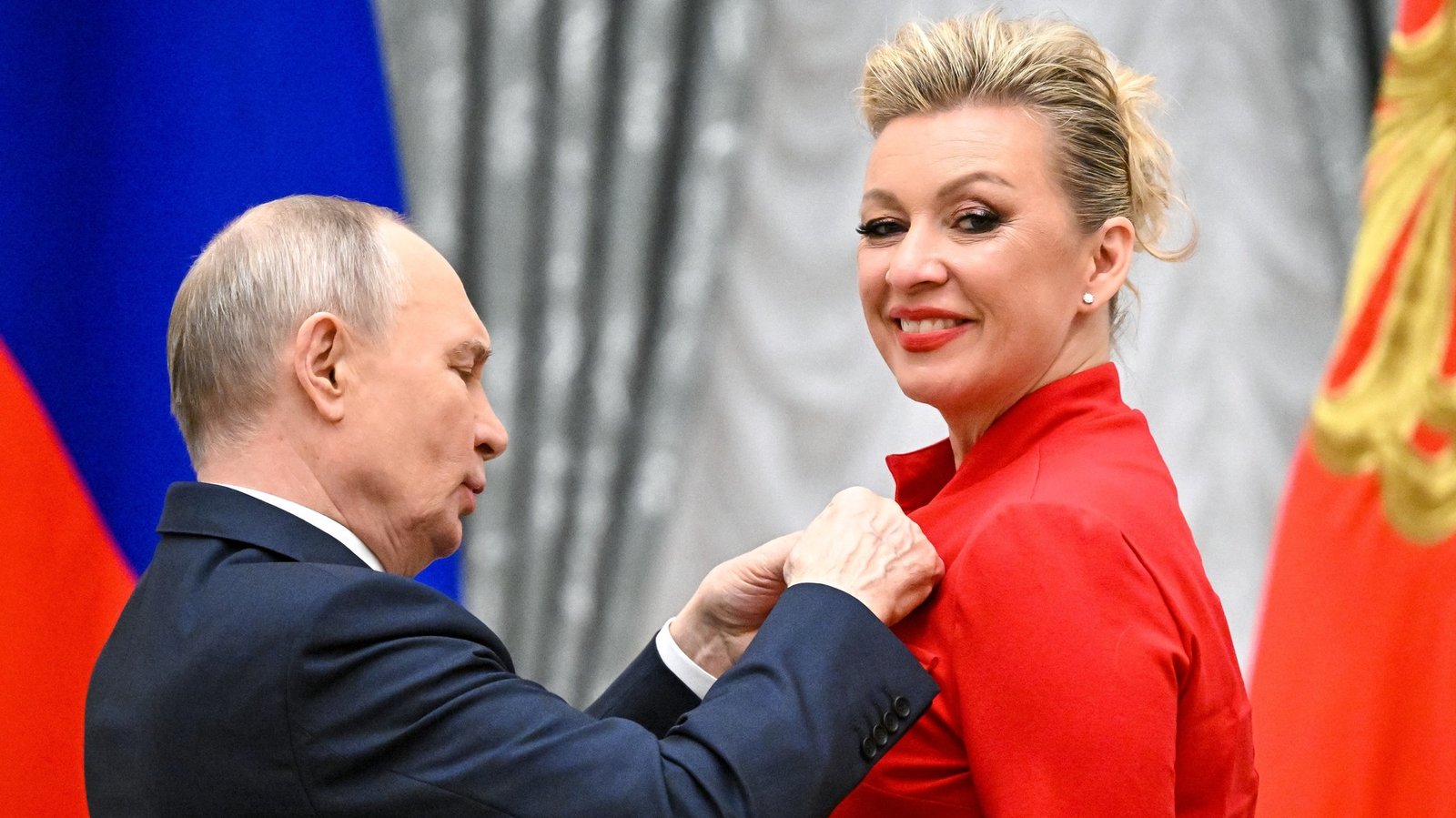
Zakharova says France condemns rioting at home but criticises crackdowns abroad
Spokeswoman Maria Zakharova said France condemns rioting at home while criticising other governments for suppressing protests. She also rejected suggestions of Russian involvement in unrest in EU countries.
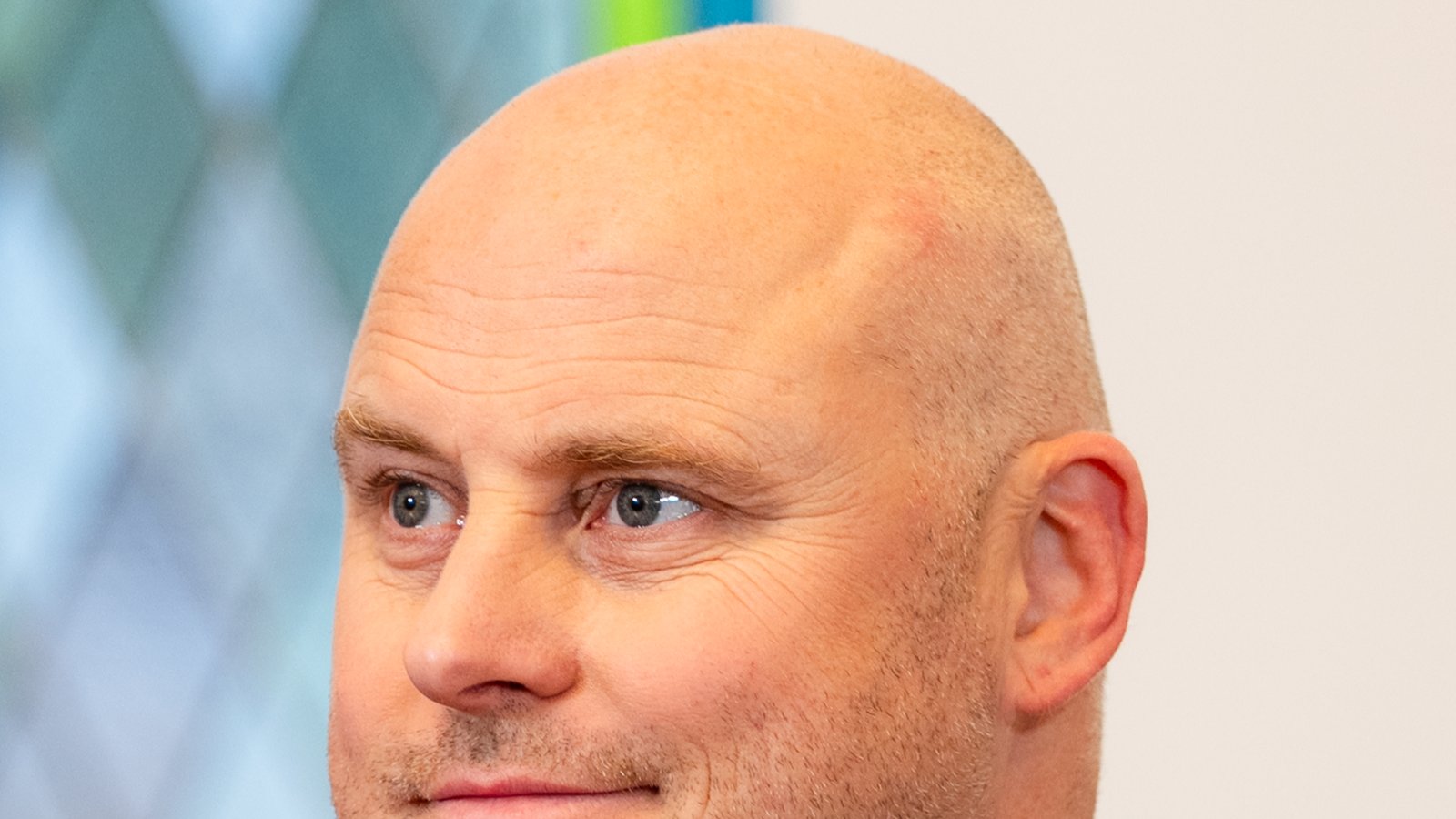
Latvia's prime minister urges EU to stop tourist visas for Russians; Moscow responds
Andris Kulbergs told the Financial Times: "Don't let the Russians into Europe, for God's sake!" Russian Foreign Ministry spokeswoman Maria Zakharova replied that EU citizens were the ones "wrecking" the EU.
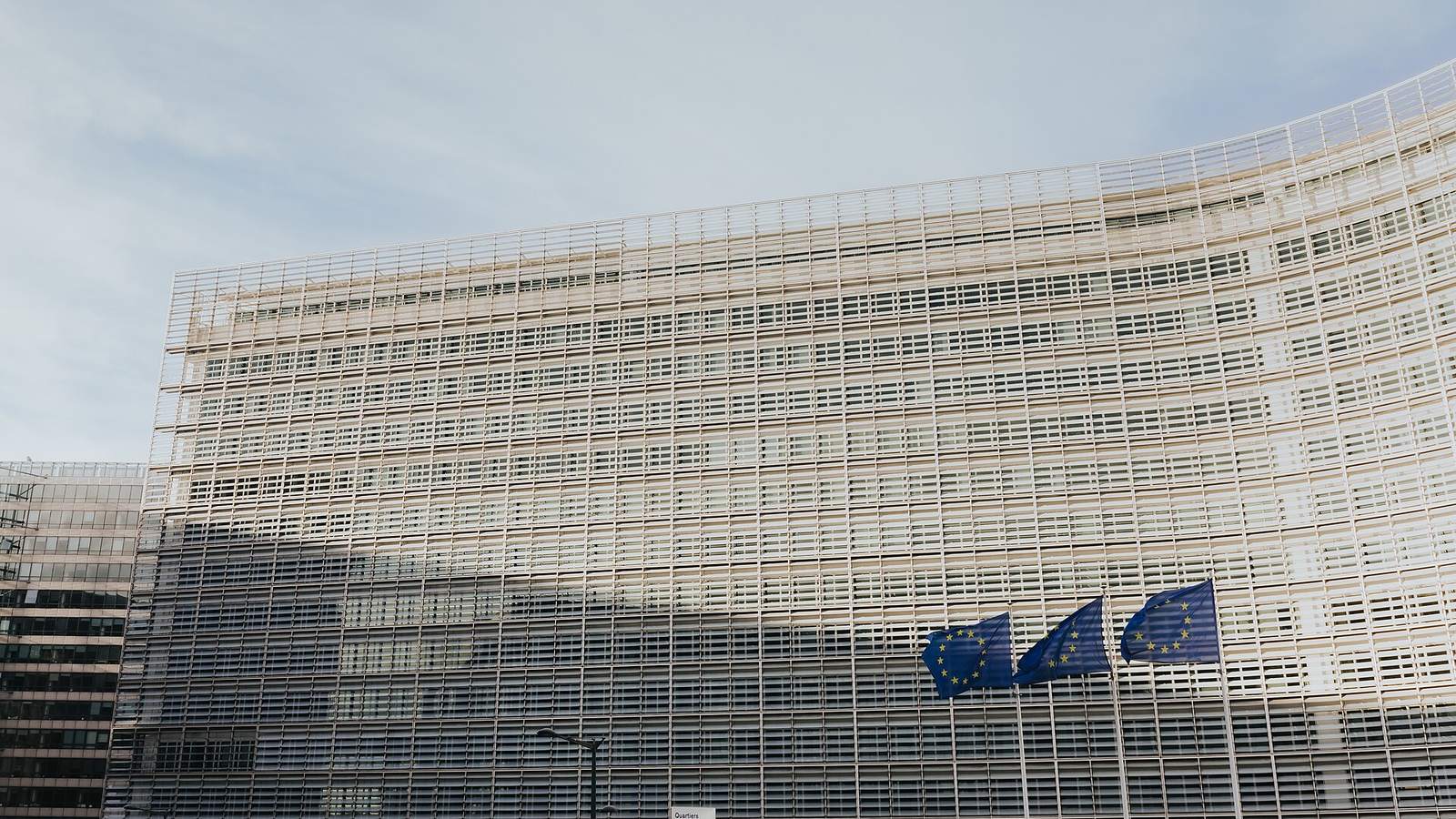
EU leaders pledge continued support for Ukraine and voice regret over US diesel decision
Brussels confirmed a funding gap of about €70bn for Ukraine in 2027. Leaders asked the European Commission to look at options.