Serbia election preview: how Sunday's vote works, who is running and what the polls say
Serbians elect all 250 members of parliament on Sunday, October 25. Aleksandar Vučić's United Serbia list and the student-backed Student List lead a field of 18 lists, and the final published polls disagree on which of the two is ahead.
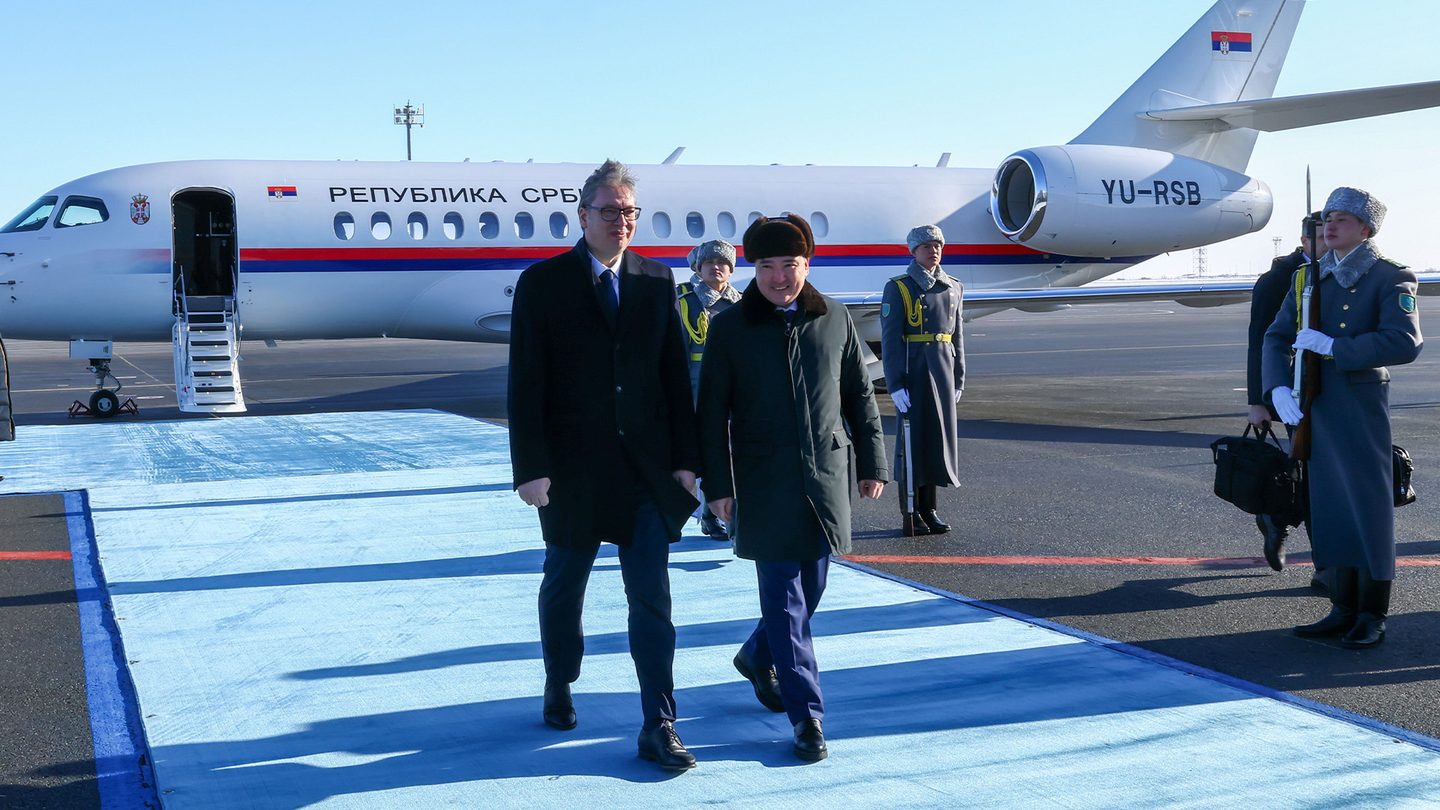
Serbians vote on Sunday, October 25, in an early parliamentary election for all 250 seats in the National Assembly. The parliament that is elected will choose the next government. Aleksandar Vučić, who resigned as president on September 27, leads the ruling Serbian Progressive Party’s (SNS) list and is seeking to become prime minister, while a list backed by the student protest movement that began after the Novi Sad railway station canopy collapse in November 2024 is his main challenger. For the background to the campaign, see our earlier explainer.
Campaigning ended on Thursday, October 22, and the official campaign silence began at 10pm GMT that night. It runs until polls close on Sunday.
What voters are choosing
This is a parliamentary election only. Voters pick one electoral list by circling its number on the ballot, and the whole country is a single constituency, according to the National Assembly’s description of the electoral system. Lists are closed: seats go to candidates in the order the list names them.
Seats are shared out in proportion to the vote using the d’Hondt method. Only lists that win at least 3% of the votes of those who turned out take part in the allocation, the parliament and the public broadcaster RTS say. Lists of national minority parties are exempt from that threshold. A majority takes 126 seats.
Serbian law sets no minimum turnout for a parliamentary election to be valid, according to the International Foundation for Electoral Systems (IFES). The election in 2020, when turnout was 48.88% during an opposition boycott, stood.
Polling stations are open from 7am to 8pm local time, which is 6am to 7pm GMT on Sunday, BBC News said. The Republic Electoral Commission (RIK) has registered 6,450,523 voters. It must publish the results within 96 hours of polls closing and allocate seats within 10 days after that, and the new parliament must hold its first session within 30 days of the final results, RTS reported.
The vote does not decide the presidency. Parliament Speaker Ana Brnabić is acting president, and no date had been set for the presidential election as of 9:15pm GMT on Thursday, October 22. RIK chairman Vladimir Dimitrijević told RTS in September that it must be held by December 27 at the latest, Mr. East reported.
Who is running
RIK approved 18 lists with 2,418 candidates. Only seven field a full 250 candidates, BBC News reported. The main ones are:
- “Aleksandar Vučić – United Serbia”, the SNS-led list headed by Mr Vučić. At his final rally in Belgrade on Thursday he promised to raise the average pension to nearly €800 and to increase the minimum wage every year, and said there would be no more “politics in schools”, N1 reported.
- “Student List – Students Win”, backed by the student movement. Its top candidate is Ilija Srdanović, a cardiology professor in Novi Sad, and its candidates include former basketball player Dejan Bodiroga, actor Tihomir Stanić and former National Bank of Serbia governor Dejan Šoškić, BBC News reported. Its 11-point programme includes a police unit to investigate corruption and reform of the public broadcaster. Several opposition parties withdrew in its favour, the BBC said.
- “Ivica Dačić – Factor of Stability!”, led by the Socialist Party of Serbia (SPS), a partner in the outgoing government.
- “European Serbia”, led by Marinika Tepić and Zdravko Ponoš, which says Serbia should stay on the path to EU membership.
- “Authentic Right”, led by Miloš Jovanović, which favours ending EU membership talks.
- National minority lists, including the Alliance of Vojvodina Hungarians led by Bálint Pásztor.
Mr Vučić and the SNS deny allegations of corruption and of seeking to influence the media, the BBC reported. At Thursday’s rally he accused the Student List and Mr Šoškić of planning to let the dinar fall to 200 to the euro, N1 reported.
The last day of the campaign
The Student List held its final rally at Slavija Square in central Belgrade on Thursday evening. AP reported that hundreds of thousands of people attended, filling several blocks around the square, after columns of supporters walked to the capital from the east, west and north of Serbia. United Serbia announced 150 rallies across the country, with its main event in the Ranko Žeravica sports hall in New Belgrade, where Mr Vučić was the only speaker and said he was certain of victory, N1 reported.
What the polls say
Published polls give different leaders, and several of the margins are within the pollsters’ own stated error ranges.
| Pollster | Fieldwork | United Serbia | Student List |
|---|---|---|---|
| Ipsos Strategic Marketing (commissioned by United Serbia) | October 20–22 | 47.4% | 40.0% |
| Nacija TV (online) | October 16–18 | 42.9% | 42.0% |
| NSPM (telephone) | September 25 – October 5 | 42.7% | 44.5% |
| Faktor Plus | September 16–20 | 48.6% | 37.1% |
Figures are shares of respondents who named a list. Ipsos says its survey was commissioned by the “Aleksandar Vučić – United Serbia” list. It interviewed 3,624 people, excluding Kosovo and voters abroad, and put the Dačić list third on 3.2%, Authentic Right on 1.7% and European Serbia on 0.8%. It estimated turnout at 64.7% and noted that some voters decide in the last few days before an election.
Nacija TV’s online survey of 1,204 adults put the Dačić list on 4.1%, Authentic Right on 3.2% and European Serbia on 2.1%, with 22% of respondents undecided, according to the figures as published. NSPM, which says its survey had no client, interviewed 1,050 people by phone; 18.3% were undecided and it estimated turnout at almost 80%, Srpske Novine reported. The Faktor Plus figures were reported by Mr. East.
What analysts expect
Strahinja Subotić of the European Policy Centre (CEP), a Belgrade think tank, wrote on October 22 that turnout is “the key factor to look at on election day”. Turnout in parliamentary elections from 2012 to 2023 averaged 55.52%, he wrote, and “all the experts we have engaged with agree that turnout is not expected to fall below 65%”.
In CEP’s modelled scenarios, which are based on assumptions about turnout and the SNS vote rather than on a poll, the Student List was the largest list in nearly every case, but would not always win 126 seats on its own. Mr Subotić wrote that the outcome could depend on whether the SPS clears the 3% threshold and on national minority lists, and that “Serbia’s election will be decided less by who finishes first than by who can assemble 126 seats”.
Helena Ivanov of the Henry Jackson Society, a London-based foreign policy think tank, told the BBC that the students had mobilised people in a way traditional opposition parties had not. “Obviously defeating him isn’t going to be easy, but this time around President Vučić isn’t going to have an easy time either,” she said.
International observers from the OSCE, the Council of Europe and the European Parliament are monitoring the vote. The Parliamentary Assembly of the Council of Europe has described a “tense and divisive electoral climate”, and the independent monitoring group CRTA has reported threats, physical violence and surveillance of opposition activists during the campaign, BBC News reported. Serbia’s electoral commission says the elections are free and the ballot is secret, the BBC said.
See also: Serbia votes in snap parliamentary election on October 25 as Vučić’s list faces student challenge.
Sources
- Elections and Electoral System · National Assembly of the Republic of Serbia
- Objavljena odluka o raspisivanju izbora, počeli da teku rokovi za sprovođenje izbornih radnji (in Serbian) · RTS
- Parliamentary elections 2026: key dates and how to vote · CRTA
- 50th Session of the Republic Electoral Commission (collective electoral list) · Republic Electoral Commission (RIK)
- 52nd Session of the Republic Electoral Commission (number of voters) · Republic Electoral Commission (RIK)
- Why a student protest movement is challenging 12 years of Vučić rule in Serbia · BBC News
- Huge crowds gather at final pre-election rally of Serbia's students · AP News
- Vucic predicts election victory at United Serbia's final campaign rally in Belgrade · N1
- The last day of the election campaign: The Student List is holding a major rally at Slavija · Izlaz
- Rezultati istraživanja pred parlamentarne izbore – oktobar 2026 (in Serbian) · Ipsos Strategic Marketing
- NSPM Poll: Student List 1.8 Points Ahead of Vucic · Srpske Novine
- Serbia election poll: Vučić list 42.9%, students 42.0% (Nacija TV figures) · Votendi
- Poll Puts Student List Ahead of Vučić's Bloc in Serbia (NSPM and Faktor Plus figures) · Mr. East
- Serbia's Election Scenarios: The Road to a 126-Seat Majority · European Policy Centre (CEP)
- Serbia Debates Deadline to Call Presidential Election · Mr. East
- FAQs: Elections in Serbia, 2020 Parliamentary Elections · IFES
Related coverage
All world news →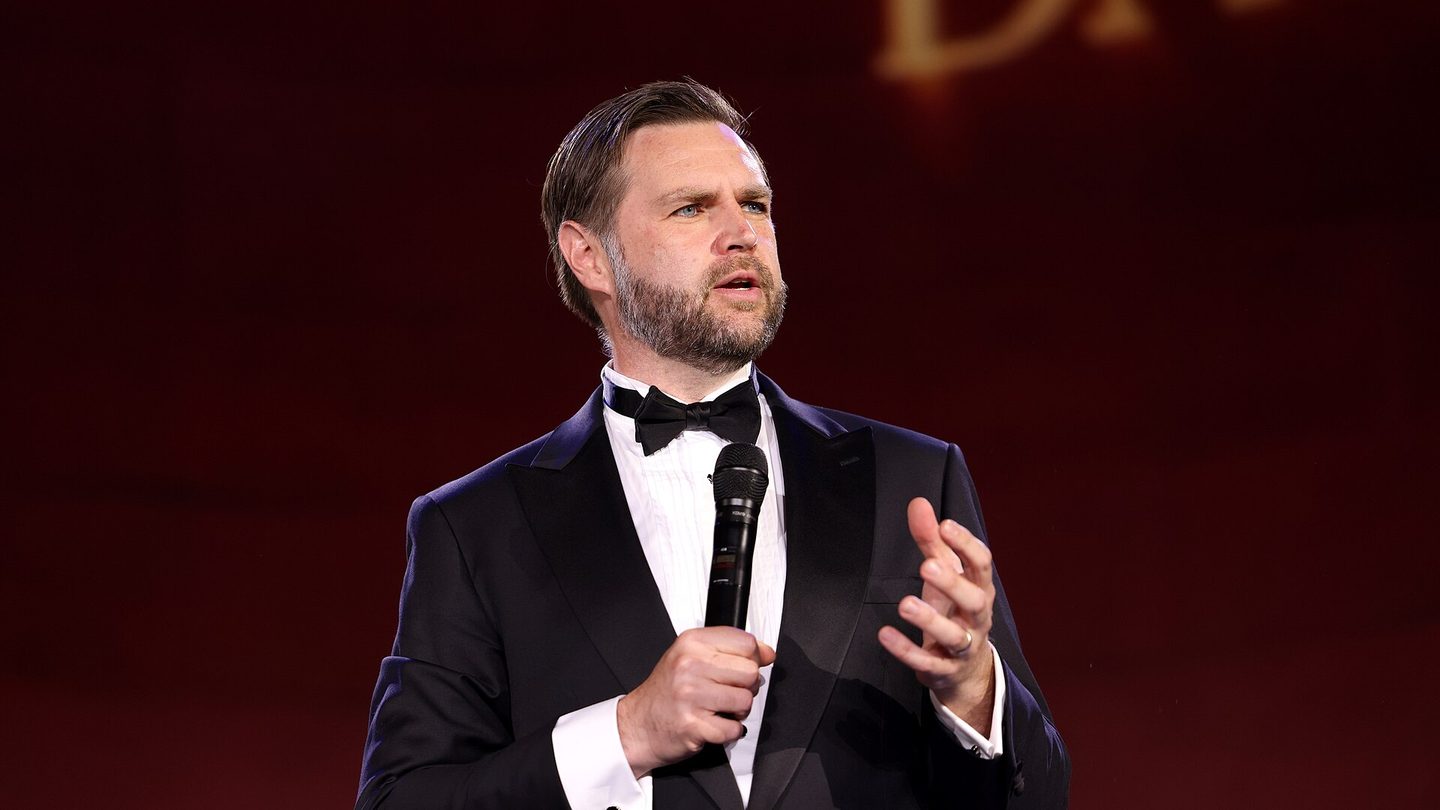
Vance declines to endorse Netanyahu for re-election, a day after Trump's "Complete and Total Endorsement"
US Vice President JD Vance said he was "not getting involved" in Israel's 27 October election and was focused on the US midterms, after President Donald Trump publicly backed Prime Minister Benjamin Netanyahu.
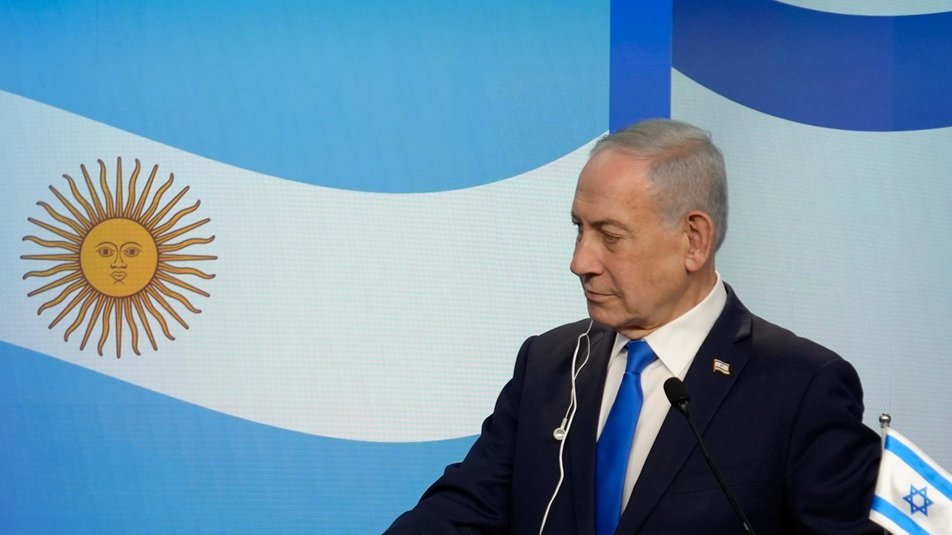
Netanyahu says a future US president could be 'very hostile' to Israel and vows to bring down Iran's government
Presenting an updated security doctrine nine days before Israel's 27 October election, Prime Minister Benjamin Netanyahu called for new alliances beyond the United States and said he had directed security agencies to work for the fall of Iran's government. Opposition leaders called the doctrine hollow.
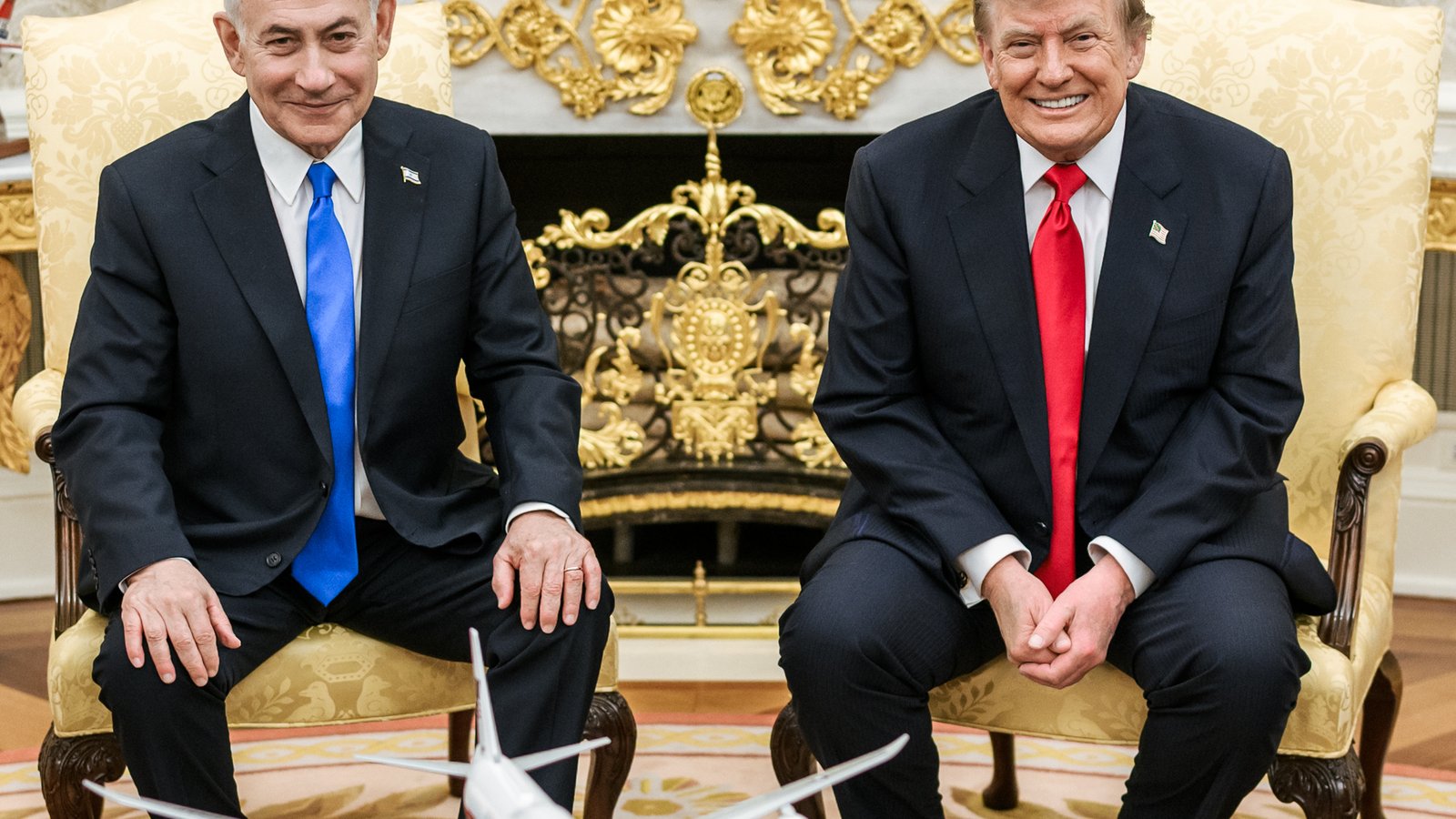
Trump endorses Netanyahu ahead of Israel's 27 October election
The US President gave Benjamin Netanyahu his "Complete and Total Endorsement" on Truth Social. Netanyahu thanked him; his main rival, Gadi Eisenkot, said "only Israelis can choose their leader".
Serbia votes in snap parliamentary election on October 25 as Vučić's list faces student challenge
Serbians elect a new 250-seat parliament on Sunday, October 25. Former president Aleksandar Vučić leads the ruling party's list after resigning to run for prime minister. A list backed by the student protest movement is his main challenger. No date has been set yet for the presidential election that must follow.
Senegal's Macky Sall withdraws from race for UN Secretary-General
The former president pulled out a day after an informal Security Council poll in which every candidate received at least one "discourage" vote from a permanent member.