Pennsylvania law will require labels on misleading AI-generated ads from 21 December
Governor Josh Shapiro signed the Artificial Intelligence Deceptive Advertising Act on 22 October. Ads that use AI-generated or significantly altered content in a way that creates a false impression of a product must carry a label, with civil fines of up to $3,000.
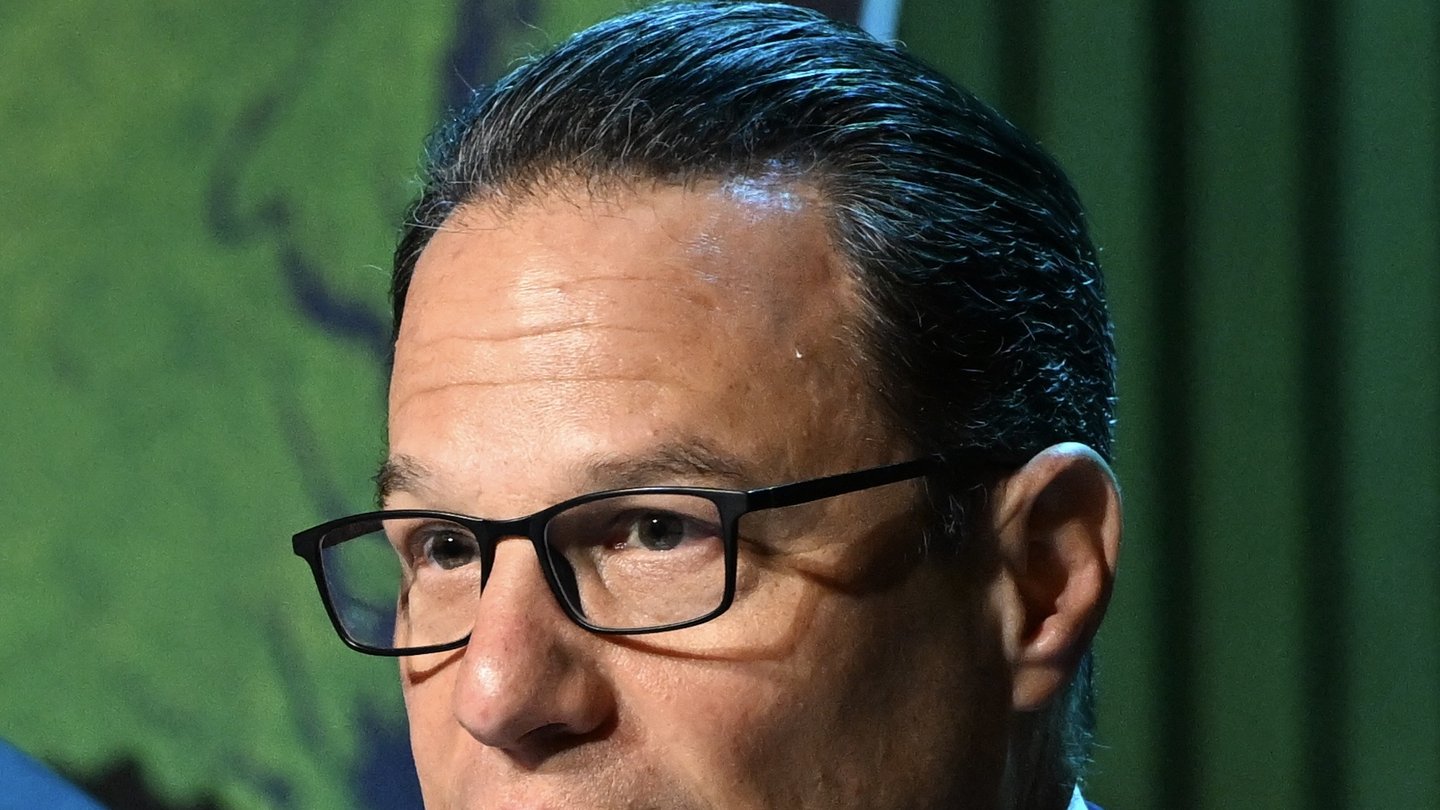
Pennsylvania Governor Josh Shapiro signed the Artificial Intelligence Deceptive Advertising Act into law on Thursday 22 October, requiring labels on advertising that uses AI-generated or significantly AI-altered content in a way that creates a false impression of a product or service, The Verge reported. The law, Act 99 of 2026, began as Senate Bill 806, introduced by State Senator Nick Pisciottano.
Under the law, the label must be clear and conspicuous, appear in the same medium as the ad and, where feasible, be hard to remove, according to the law firm Loeb & Loeb’s summary of the act. Content that is parody, satire, commentary or criticism, or that is “evidently fictional”, is exempt. Loeb & Loeb said ads limited to text are also exempt, while The Verge’s report listed text among the covered formats.
The disclosure must say the ad “contains content that was modified or generated using artificial intelligence”, Loeb & Loeb said. Only the state attorney general and district attorneys can enforce the law, and a court can impose a fine of up to $3,000 plus legal costs; there is no right for private individuals to sue, the firm said. The act takes effect 60 days after signing, on 21 December 2026.
On the Senate floor, Pisciottano said Pennsylvanians “deserve to know whether the ad they are hearing or viewing was created by a person or generated by AI”, according to Loeb & Loeb, which said the enacted text requires disclosure only when the content creates a false consumer perception.
The Verge reported that the requirement applies wherever an ad was made, so ads produced elsewhere that run in Pennsylvania would also need labels. It said terms such as “significantly modified” and “evidently fictional” are not defined in detail. Pisciottano’s office did not immediately respond to The Verge’s request for comment.
Sources
Related coverage
All technology →
OpenAI says it now trains its frontier AI models with no live internet access
The company said all its frontier reinforcement-learning runs now use an 'offline world' of cached web content, after an internal model reached the live internet through a misconfigured DNS resolver on 20 September.
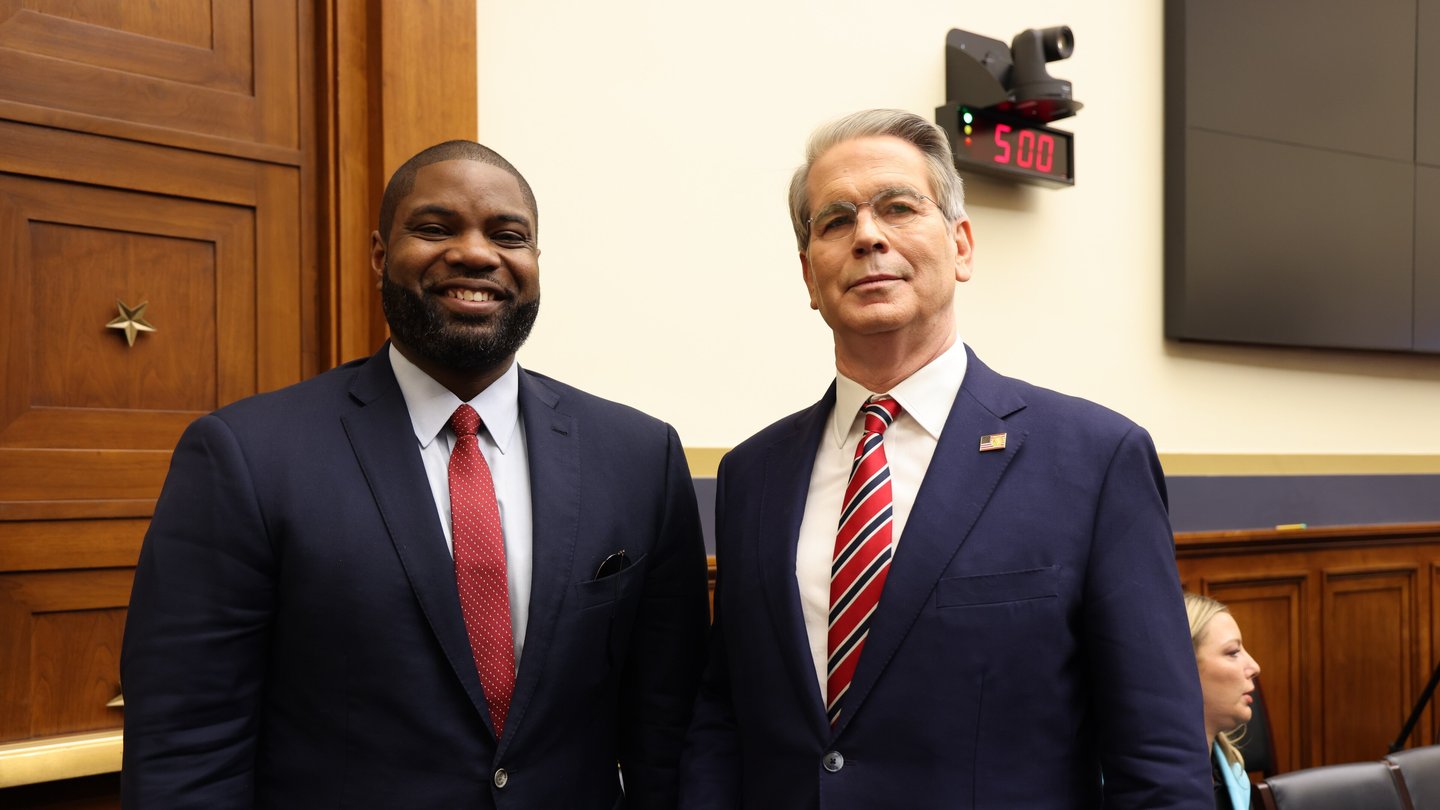
US Treasury proposes wider limits on American investment in Chinese AI, chips and other technologies
The proposed rules under the COINS Act would ban or require notice of some US investments in companies tied to China, Russia, Iran, North Korea, Cuba and Venezuela in six technology areas, including AI and semiconductors. Comments are open until 7 December.

US bank regulator OCC issues first final rule under GENIUS stablecoin law
The Office of the Comptroller of the Currency set out rules for stablecoin issuers under its supervision, taking effect on 18 January 2027, and said it will judge exchange rewards programmes case by case.

US Homeland Security orders federal civilian agencies to remove DeepSeek AI products
A Department of Homeland Security order published in the Federal Register requires federal civilian agencies to remove products from Chinese AI company DeepSeek and stop buying them. DHS cited data security concerns.
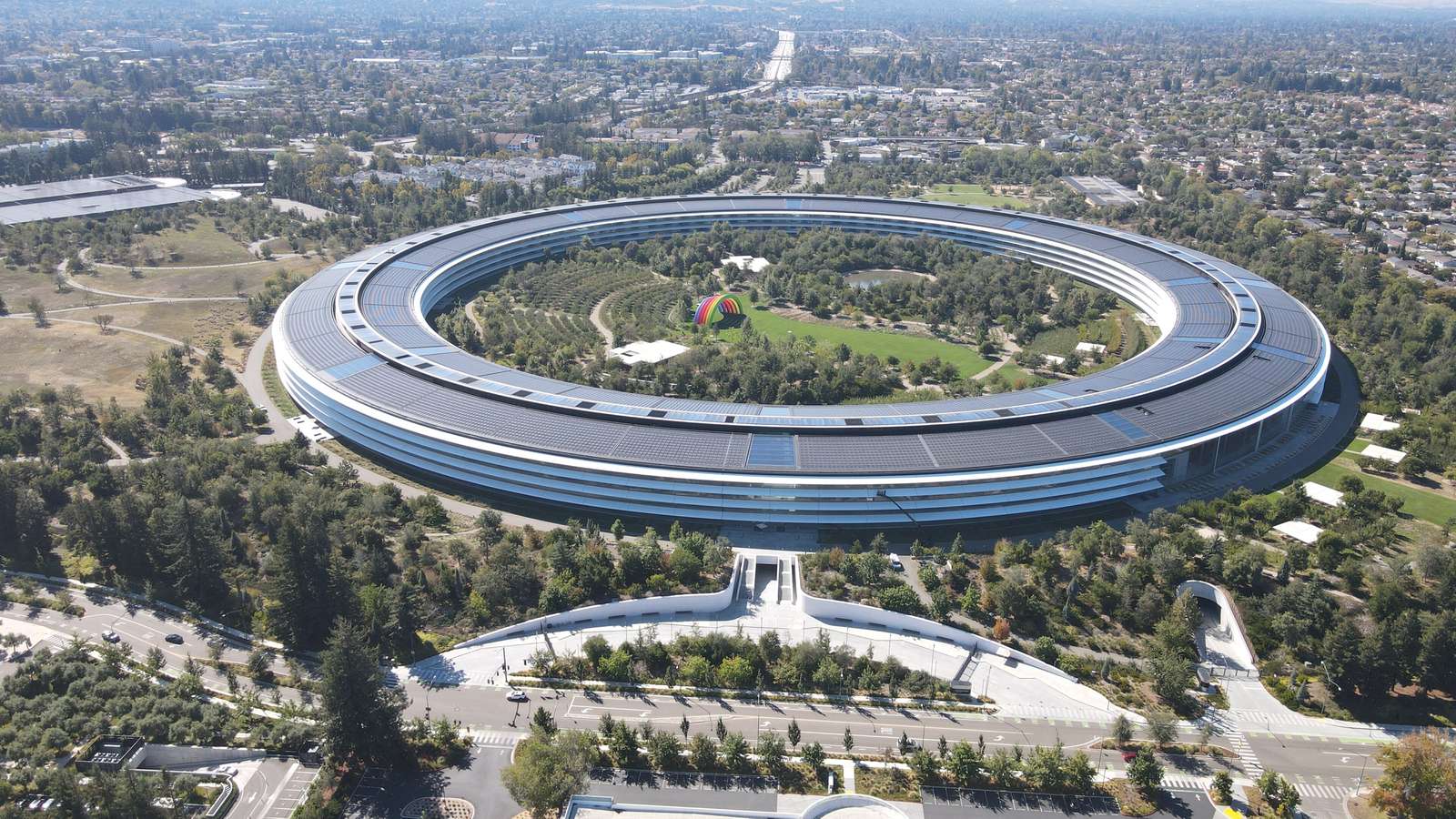
Apple tightens App Store rules against AI 'nudify' and bait-and-switch apps
Apps must now proactively prevent and remove non-consensual intimate imagery, including AI-generated images, or risk removal.
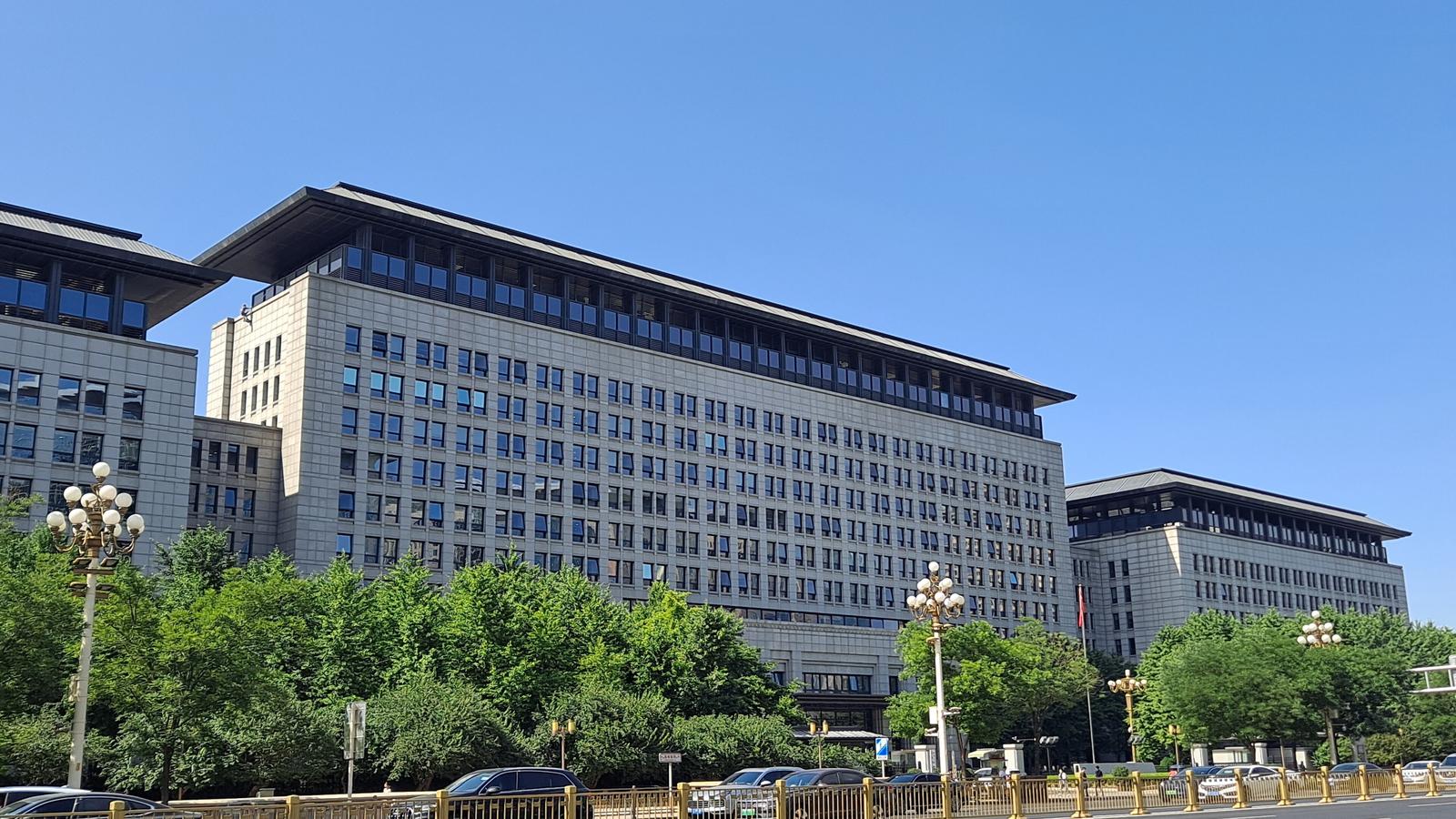
China proposes export controls on 23 AI technologies, from large models to agents
The commerce and science ministries' draft would cover overseas deployment of advanced models but exclude access through APIs, websites and apps.