New Zealand services sector grows for a fourth month as PSI eases to 50.9
The BNZ-BusinessNZ Performance of Services Index slipped to 50.9 in September from 51.0 in August, staying in expansion for a fourth consecutive month.

New Zealand’s services sector expanded for a fourth consecutive month in September, according to the BNZ – BusinessNZ Performance of Services Index (PSI) released on Monday.
The seasonally adjusted PSI was 50.9 in September, down from a revised 51.0 in August and up from 50.5 in July, BusinessNZ said. A reading above 50.0 indicates the sector is generally expanding, and a reading below 50.0 indicates contraction.
What the sub-indices showed
New orders and inventories were the strongest components, at 52.6 and 52.3 respectively, according to BusinessNZ. New orders eased from 54.8 in August. Activity and sales rose to 50.2 from 49.2, returning to expansion. Employment stayed in contraction at 49.8, and supplier deliveries were the weakest component at 49.4.
Retail had the lowest index of all service industries, at 47.4, BusinessNZ said. Combining the PSI with the manufacturing index (PMI), the composite index rose to 51.6 in September.
What business groups said
BusinessNZ chief executive Katherine Rich said: “Four months in a row above breakeven is a genuinely positive run for services, even with September’s slight easing.” She added that businesses were “clearly in ‘wait and see’ mode with the election approaching.”
BusinessNZ said respondents’ comments pointed to cost-of-living pressures, fuel prices, interest rates and election uncertainty, with 59.9 per cent of comments negative, similar to August.
BNZ senior economist Doug Steel said the result “marks a fourth month of expansion, a notable feat after two years of contraction,” but that growth in services “remains weak, particularly compared to manufacturing.”
Background
The PSI is compiled by BusinessNZ and sponsored by Bank of New Zealand from a monthly survey of service-sector businesses. BusinessNZ’s data show the index at 48.1 in May 2026 before it returned to expansion at 50.8 in June; it was 48.6 in September 2025.
Sources
Related coverage
All business and finance →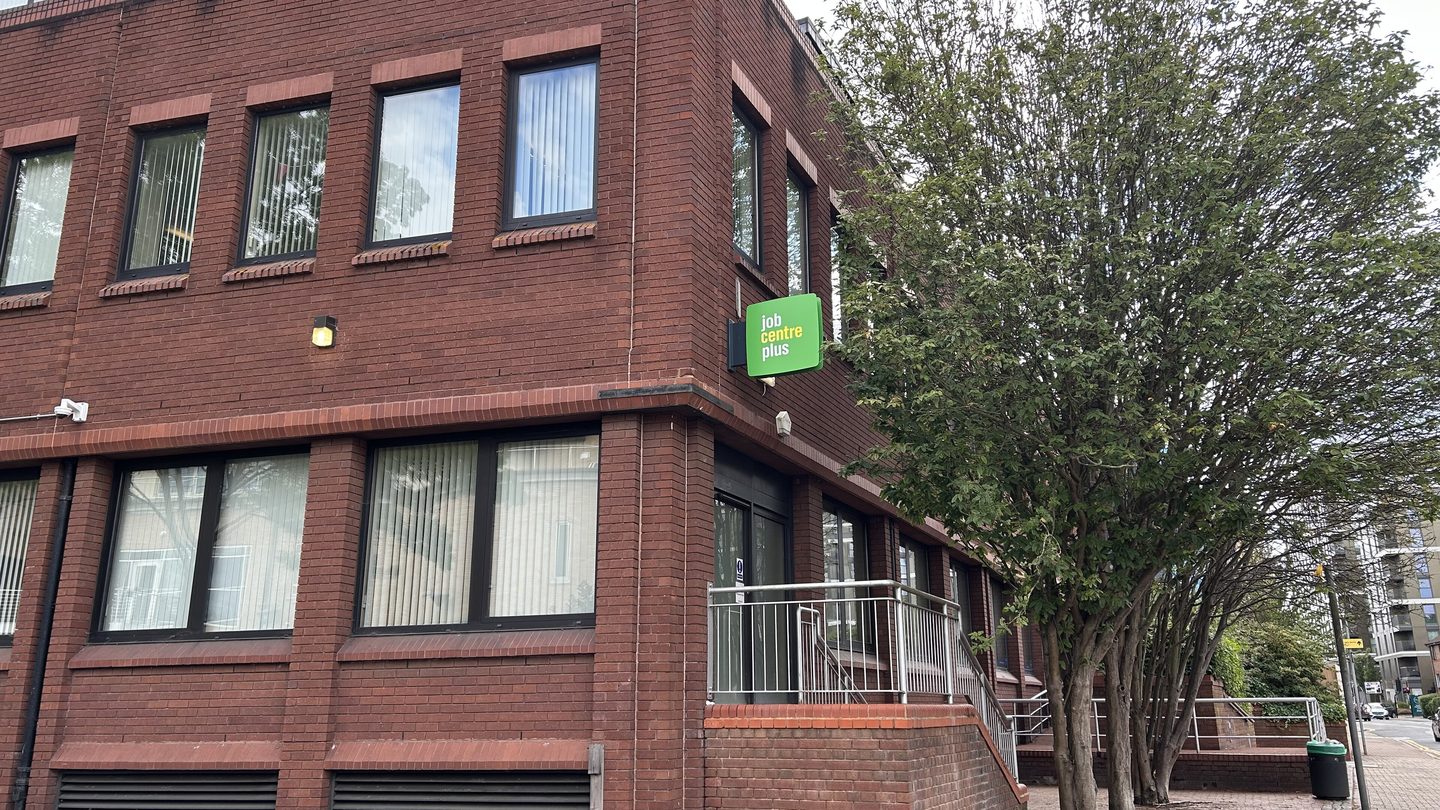
UK unemployment falls to 4.7% as job vacancies drop to 691,000, ONS says
Britain's unemployment rate fell 0.1 percentage points in the three months to August, while regular pay growth held at 3.7%, official figures show.

China's economy grew 4.5% in the third quarter, official data show
Growth picked up from 4.3% in the April-June quarter, the National Bureau of Statistics said. Growth for the first nine months was 4.6%.

Bank of England's Bailey says wider effects of energy price rise look 'quite subdued' so far
Governor Andrew Bailey said it was too early for firm conclusions. Most economists polled by Reuters expect the BoE to start raising rates next month.

Gold eases for a fourth session, touching its lowest level in nearly a week ahead of next week's Fed meeting
Spot gold traded around US$4,120 to US$4,130 an ounce on Wednesday as higher oil prices kept inflation concerns in focus, Reuters reported.